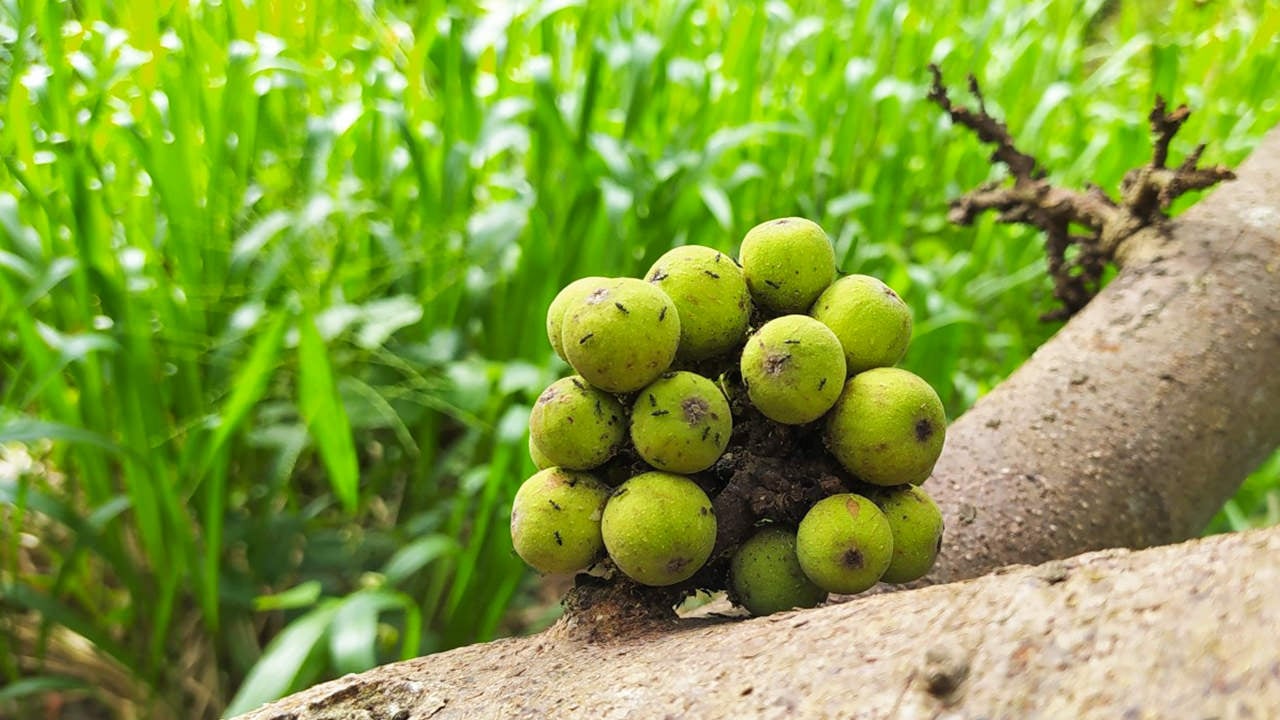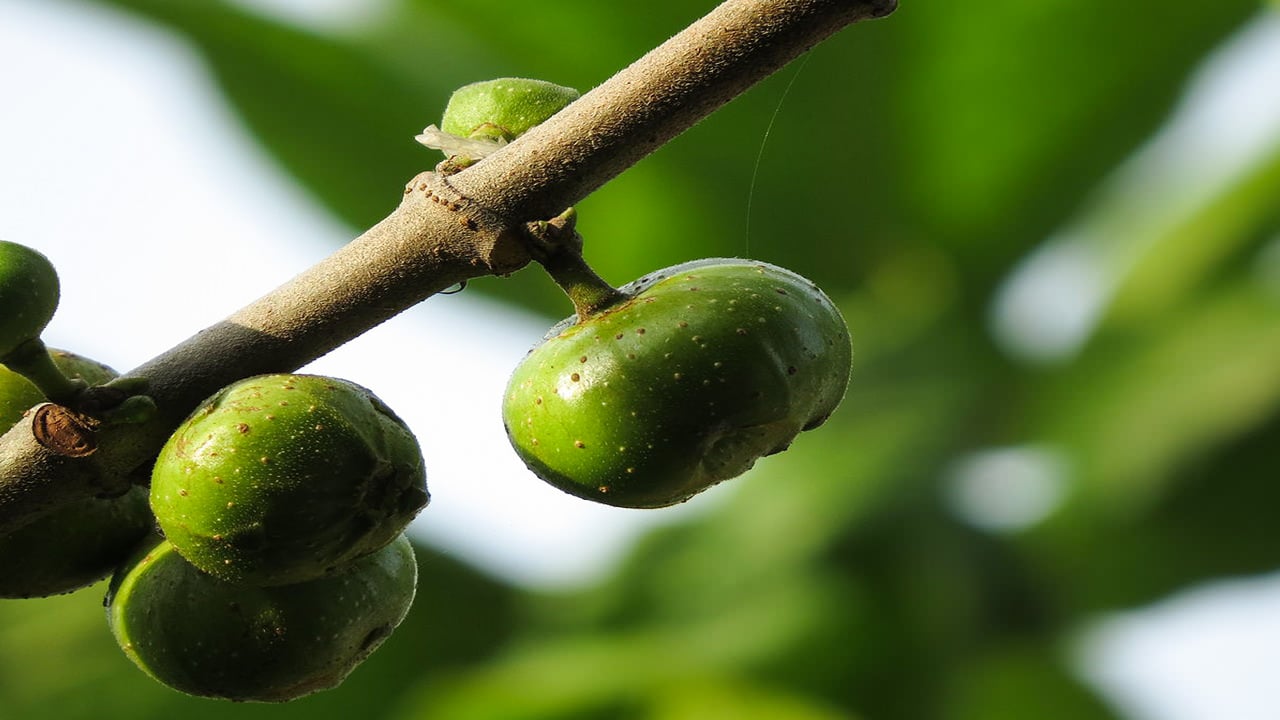


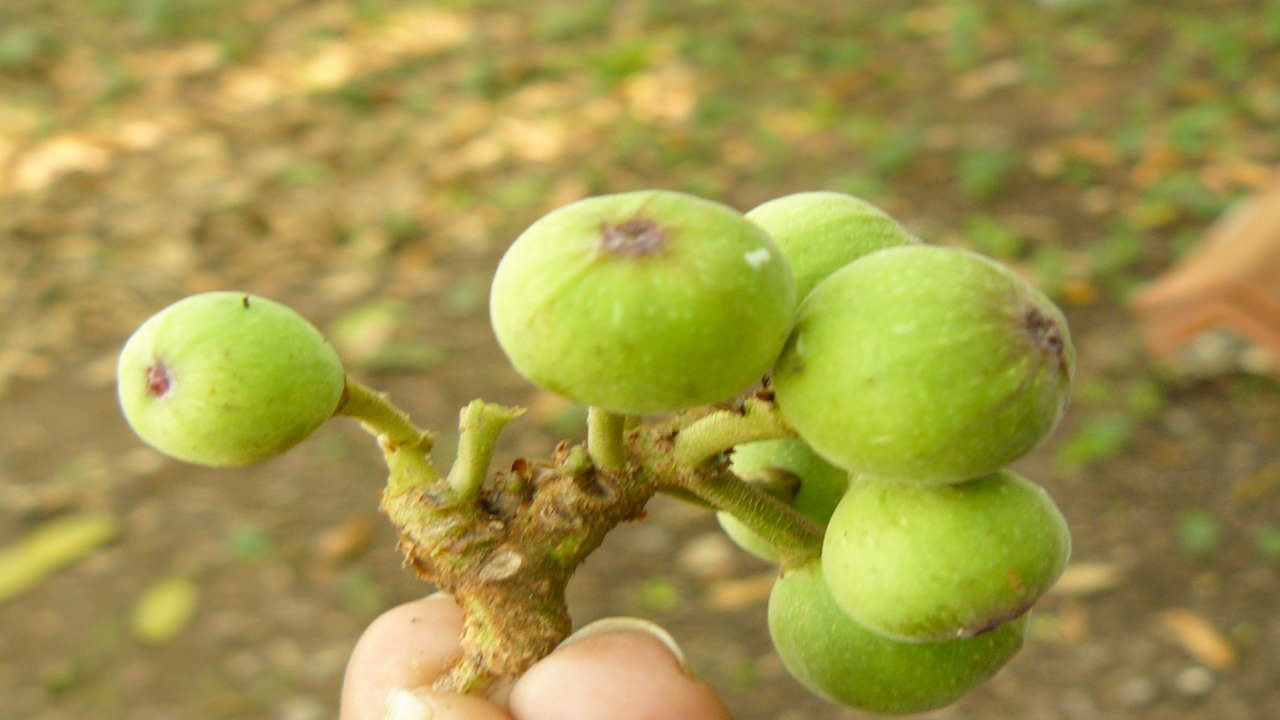
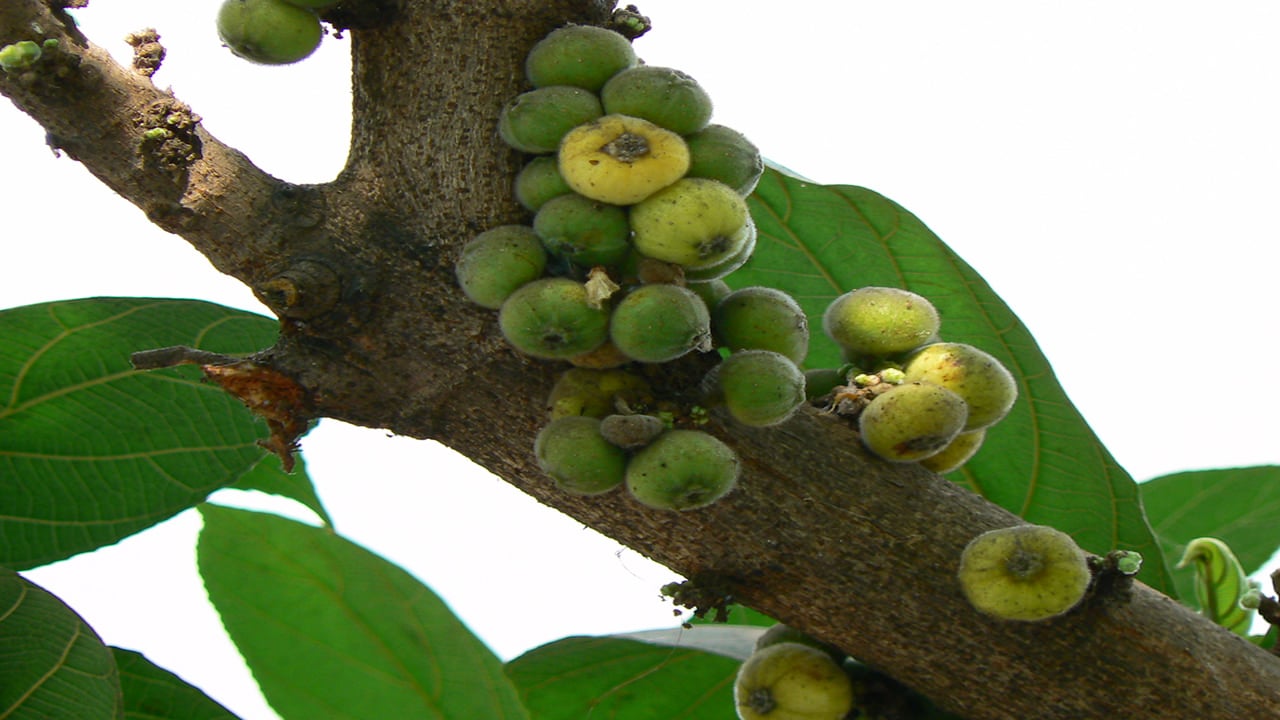
Ficus racemosa, known in Sri Lanka as Attikka, is a large, spreading deciduous tree belonging to the family Moraceae. It grows wild across the island, particularly along riverbanks, stream edges, and other areas where water flows freely. Unlike many of its relatives, Attikka does not produce aerial roots. Its leaves are oblong and dark green, and its fruit — small figs — grow in dense clusters directly on short, leafless branches or even on the trunk itself, a growth pattern botanists call cauliflory.
Although often regarded simply as a wild or shade tree, Ficus racemosa has a deep history in Ayurvedic and traditional Sri Lankan medicine. Many of its curative properties remain underappreciated outside practitioner circles. From bark decoctions to fruit powders and leaf infusions, nearly every part of the tree has a documented therapeutic application.
Where does Attikka grow in Sri Lanka?
Attikka trees are most commonly found in the wet and intermediate zones of Sri Lanka, typically beside streams, rivers, and irrigation channels. They are a familiar sight along waterways in the dry zone as well, where they provide vital shade and habitat. The tree is well adapted to humid conditions and is sometimes found near ancient tank systems and forest reserves. Remnant stands can occasionally be spotted during riverine excursions such as a Madu River Safari, where riparian flora remains relatively undisturbed.
The tree can reach a considerable height and spread, making it a natural landmark in rural landscapes. Villagers and farmers often preserve Attikka trees deliberately for their shade and the fruit they provide to wildlife and livestock.
What are the traditional medicinal uses of Ficus racemosa?
In Ayurvedic tradition, Attikka is classified as astringent and carminative — properties that underpin most of its therapeutic applications. The fruit, bark, and leaves are each used in different preparations.
Digestive and bowel health
- Constipation: Five or six ripe figs soaked overnight in lukewarm water and eaten first thing in the morning — along with the soaking water — are a traditional remedy. The seeds of the fig are understood to provide a mild laxative action.
- Diarrhoea and dysentery: Attikka is an ingredient in several Ayurvedic decoctions targeting loose stools and dysentery. The dried fruit in a small dose with honey is a traditional preparation recommended for diarrhoea, including during pregnancy.
- Haemorrhoids (piles): Roasted Attikka fruit is crushed to a powder, mixed with honey to form an ointment, and applied topically. A separate bark decoction — combining Attikka bark, young king coconut flowers, and Madan bark (Syzygium species) boiled in water and reduced — is a classical prescription for bleeding piles, typically taken in divided doses twice daily.
Respiratory conditions
- Coughs, bronchitis, and whooping cough: A hot decoction made by simmering five or six figs in water or milk is used for pulmonary complaints, chronic bronchitis, and catarrh. The same liquid is taken at intervals through the day.
- Catarrh and congestion: Fresh Attikka leaf infusions are used as a supplementary cough remedy and are believed to support healthy blood circulation.
Oral and dental health
For throat irritations, mouth inflammation, and dental abscesses, gargling or rinsing with a warm fig decoction — prepared by boiling several figs in water or milk for a few minutes — is a time-tested approach in rural Sri Lankan households. The astringent compounds in the fruit help reduce localised inflammation.
Menstrual health
An infusion of fresh Attikka leaves is traditionally used to ease difficult or painful menstruation, with practitioners attributing this effect to the plant's influence on blood circulation.
Hair and scalp care
Attikka fig decoctions have also been used as a hair wash. The preparation is said to dislodge lice, cleanse the scalp, and help control dandruff — a practical use that persists in some traditional communities today.
What are the key botanical properties of Attikka?
Ficus racemosa contains a range of bioactive compounds that have attracted modern research interest. Phytochemical studies have identified flavonoids, tannins, saponins, and phenolic compounds across different parts of the tree. The astringent quality of the fruit and bark — attributable largely to tannins — explains the plant's effectiveness in conditions involving excess secretion or bleeding. The laxative action of the seeds is linked to their mechanical bulk as well as certain glycosides.
The tree is also a recognised source of cooling properties in traditional practice. Boiled Attikka fruit are eaten to reduce internal heat, and the fruit is considered beneficial for disorders of blood circulation. These uses align broadly with the Ayurvedic concept of the plant having a cooling (sheeta) energetic quality.
How is Attikka used in Sri Lankan Ayurvedic practice today?
Attikka remains part of the Ayurvedic pharmacopoeia recognised by Sri Lanka's Department of Ayurveda. It appears in compound formulations for digestive disorders, liver conditions, and skin diseases. Practitioners sometimes include Attikka alongside other well-known botanicals such as Pongamia pinnata or Acacia chundra in multi-herb decoctions.
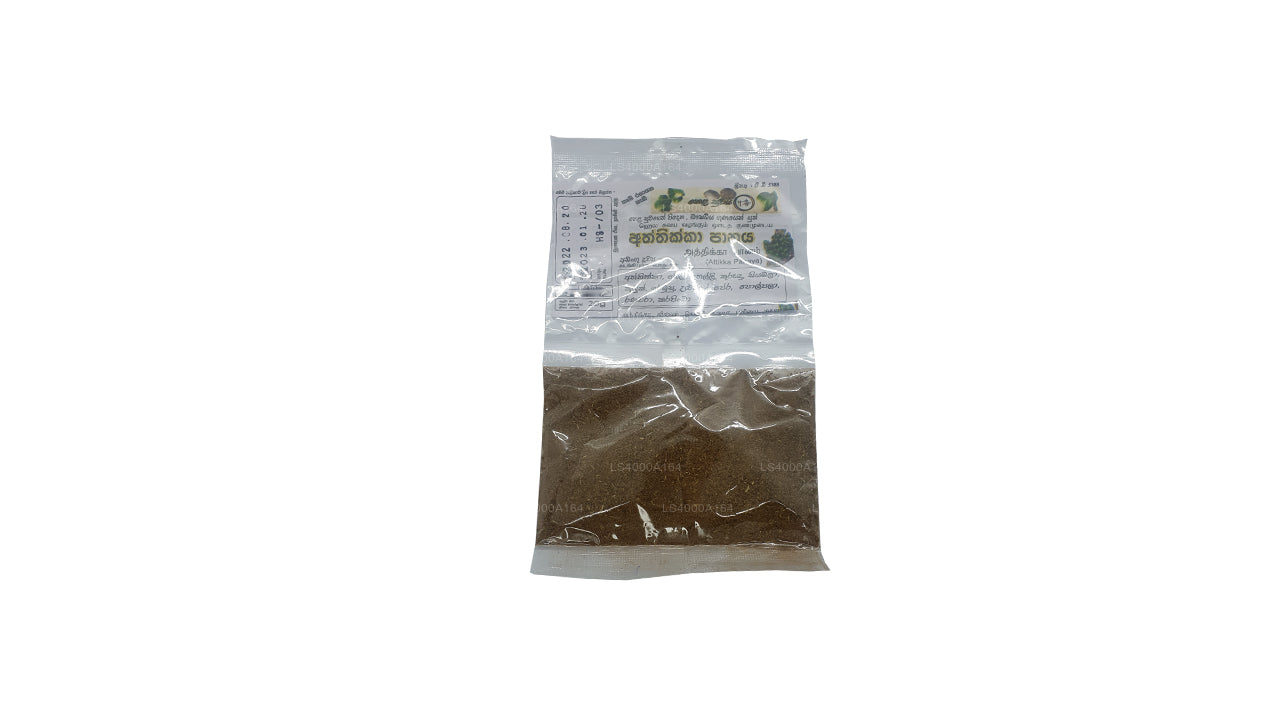
Standardised Attikka products — including dried fruit powders and herbal syrups — are available through specialist Ayurvedic pharmacies and some wellness retailers. These offer a more consistent dosage than home-prepared decoctions, which can vary considerably depending on the freshness and maturity of the fruit used.
Are there any precautions when using Attikka medicinally?
Like all medicinal plants, Ficus racemosa should be used with appropriate guidance. Some individuals may be sensitive to plants in the Moraceae family, which includes other ficus species and mulberry. The milky latex in the tree's branches and unripe fruit can be a skin irritant for some people. Therapeutic doses — particularly decoctions involving the bark — should ideally be prepared and used under the supervision of a qualified Ayurvedic practitioner rather than self-prescribed in significant quantities. The traditional dosage references in older texts use the kalandu as a unit of weight, which roughly corresponds to just under half a gram, though interpretations vary.
Pregnant women in particular should consult a practitioner before using any Attikka preparation beyond the mild fruit-and-honey preparation documented for pregnancy-related diarrhoea.