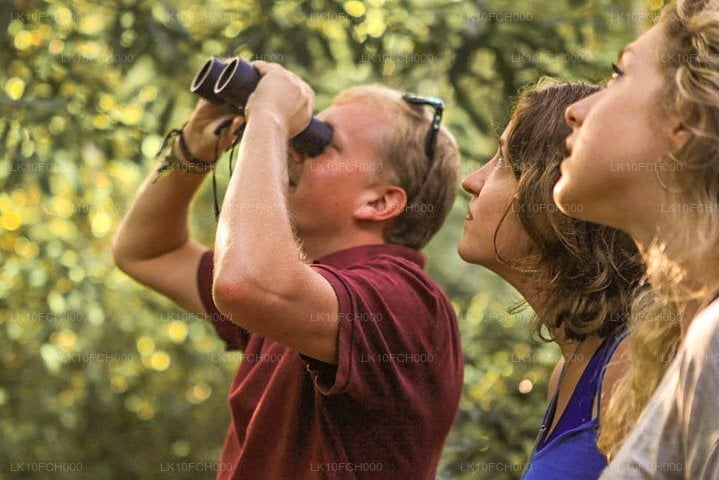
On the southern fringe of greater Colombo, tucked between suburban roads and the grounds of Bellanwila Buddhist Temple, Attidiya Bird Sanctuary preserves a remarkable pocket of wetland that most city visitors never know exists. Covering around 372 hectares of forested wetland — a mosaic of mangrove and freshwater marsh — the sanctuary hosts 166 recorded bird species, 71 butterfly species, and 44 species of fish, alongside crocodiles, fishing cats, jackals, and a range of amphibians and reptiles.
What makes Attidiya worth visiting?
Wetland sanctuaries this close to a major city are rare anywhere in Asia. Attidiya owes its survival partly to its neighbour: the Bellanwila Temple grounds act as a buffer, and the religious significance of the area has historically deterred encroachment. The result is a self-contained ecosystem where migratory waterbirds arrive seasonally alongside a resident population of endemics, all within a short drive of Colombo's hotels.
The sanctuary is also a rewarding site for butterfly enthusiasts. Seventy-one species have been documented here — a figure that reflects the variety of plant communities across the marsh, from open water edges to denser mangrove corridors. If you combine birds and butterflies, a single morning walk can produce an unexpectedly long species list.
What birds can you see at Attidiya Bird Sanctuary?
The checklist skews heavily toward waterbirds, with a healthy mix of residents and migratory visitors. Some of the more sought-after species recorded in the sanctuary include:
- Spot-billed Pelican
- Painted Stork
- Purple Heron (including the Wide-winged Purple Heron form)
- Indian Shag
- Glossy Ibis
- White Ibis
- Ruddy Crake
- Purple Swamphen (Purple Coot)
- Blue-breasted Banded Rail
Migratory species arrive typically between October and March, making the cooler months the peak period for variety. Resident waterbirds are present year-round, so even a short visit outside the main season rarely disappoints.
What other wildlife lives in the sanctuary?
The marsh supports a broader community than its bird list alone suggests. Mugger crocodiles are present and are occasionally spotted basking near the water's edge — the crocodile watching is opportunistic rather than guaranteed, but sightings are reported regularly. Fishing cats, one of Sri Lanka's elusive small felids, use the reed beds and canal margins as hunting grounds and are most active at dawn. Jackals are heard more often than seen, particularly in the early morning. The fish community of 44 recorded species sustains much of this food chain, and several amphibian and reptile species complete the picture.
How do I get to Attidiya Bird Sanctuary from Colombo?
The sanctuary lies in the Attidiya area of Dehiwala, roughly 12 kilometres south of Colombo Fort. By road it is accessible from the Dehiwala–Attidiya Road; the information centre at the sanctuary entrance serves as the practical starting point. The drive from central Colombo typically takes 30–45 minutes depending on traffic. Tuk-tuks and taxis from Dehiwala are the easiest option if you are not self-driving.
How do visitors explore the sanctuary on foot?
The main trail starts beside the information centre and follows a defined path through the marsh, running alongside the Bolgoda Canal before emerging on Attidiya Road at the far boundary of the park. The walk is manageable for most fitness levels, though sturdy footwear with grip is advisable — side trails in particular can involve soft, muddy ground, and explorers venturing off the main path should expect to get muddy.
Roughly halfway along the trail, a viewing tower offers a convenient rest point and an elevated perspective over the wetland canopy. On clear days the tower provides a distant view of Adam's Peak, which adds an unexpected dimension to a wetland walk. The information centre at the entrance stocks leaflets on the sanctuary's wildlife and is worth a quick stop before setting out.
When is the best time to visit Attidiya Bird Sanctuary?
Early morning is consistently the most productive time for birdwatching — activity peaks in the first two hours after sunrise, before heat and human disturbance quiet things down. For the widest species variety, plan a visit between November and February, when migratory waterbirds augment the resident population. The sanctuary is accessible year-round, but the main trail can become waterlogged during heavy monsoon rain, so check conditions locally before visiting in May–June or October–November.
| Detail | Information |
|---|---|
| Area | 372 hectares |
| Habitat type | Forested wetland — mangrove and freshwater marsh |
| Bird species recorded | 166 |
| Butterfly species recorded | 71 |
| Fish species recorded | 44 |
| Location | Attidiya, Dehiwala, Western Province |
| Best visiting time | Early morning; November–February for migrants |
| Facilities | Information centre, main trail, viewing tower |
Is Attidiya suitable for families and casual visitors?
Yes, with some caveats. The main trail is relatively short and does not require specialist equipment, making it accessible for older children and adults with a general interest in nature. Binoculars will improve the experience considerably. Younger children should be supervised near the water's edge given the presence of crocodiles. Visitors who want nothing more than a pleasant walk through a quiet green space will find the sanctuary rewarding even without a birding checklist in hand.
Planning a broader birdwatching trip in Sri Lanka?
Attidiya is a practical first introduction to Sri Lanka's wetland birdlife, but the island's full birdwatching potential reveals itself across a wider range of habitats. The Sinharaja Forest Reserve in the lowland rainforest zone holds a concentration of Sri Lankan endemics that is hard to match anywhere in the country. Coastal lagoon systems along the southern coast offer boat-based access to large waterbird colonies. Lakpura arranges guided birdwatching itineraries that combine multiple habitat types across the island, including wetlands, rainforest, and highland zones.
Nearby places
10 places within about 25 km, nearest first.
Related reading
11 pages on closely related subjects.