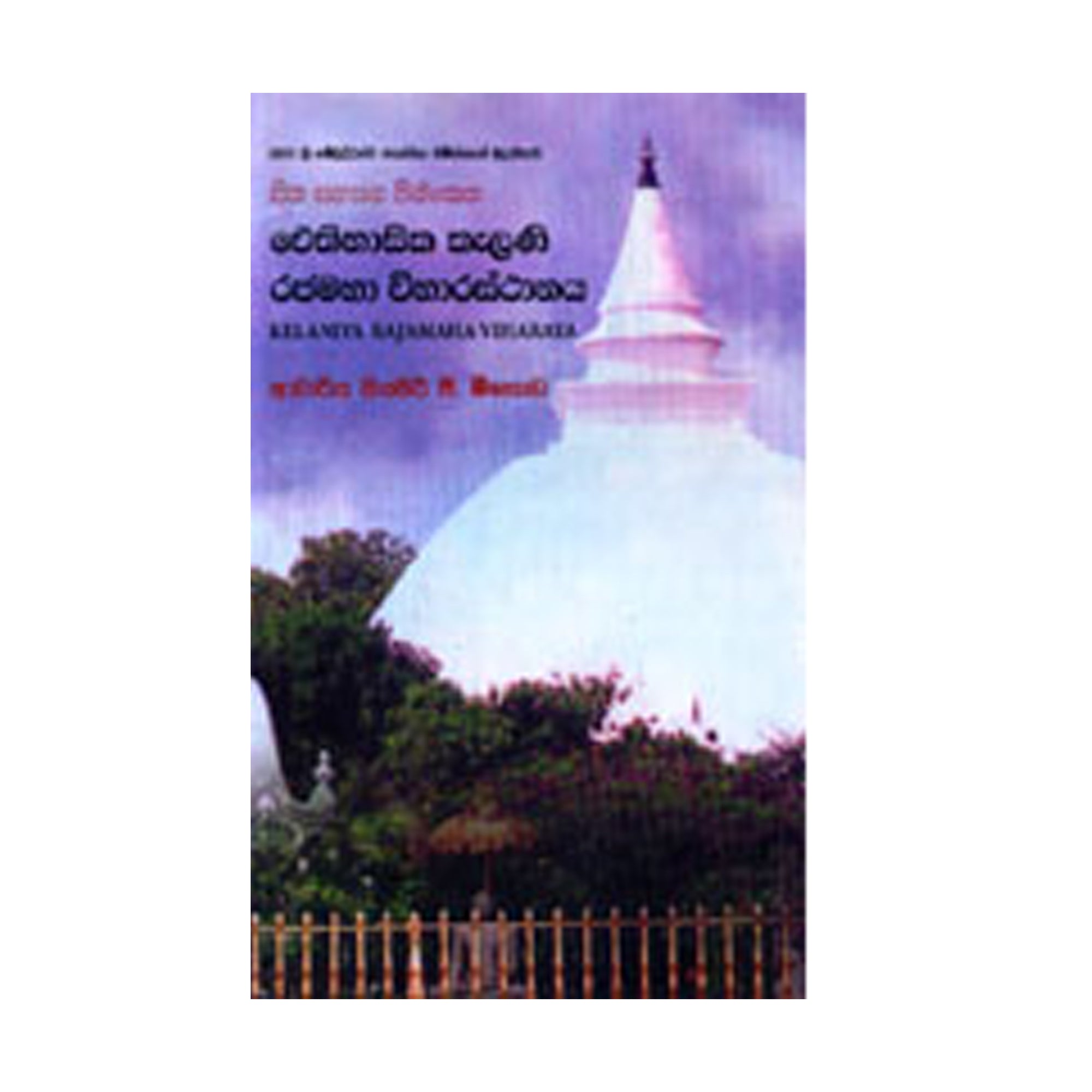
Bellanwila Rajamaha Viharaya stands among the most revered Buddhist temples in the Western Province of Sri Lanka. Located roughly 12 kilometres south of Colombo city centre, near the Dehiwala–Maharagama road, the temple draws hundreds of devotees on ordinary days and many thousands more during its celebrated annual festival. For visitors exploring Colombo and its surrounds, a visit here offers genuine insight into living Theravada Buddhist practice — not a static heritage site, but an active place of worship woven into the daily life of local communities.
What makes Bellanwila Rajamaha Viharaya significant?
The temple's greatest draw is its sacred Bo tree (Ficus religiosa), which tradition holds to be one of the earliest offshoots of the Sri Maha Bodhi in Polonnaruwa — itself a cutting of the original Bodhi tree under which the Buddha attained enlightenment. Pilgrims travel from across the island to circumambulate and venerate this tree, making it a deeply personal act of devotion rather than mere sightseeing.
The stupa on the grounds is the architectural centrepiece of the complex. Its whitewashed dome and gilded finial follow the classical Sri Lankan dagoba form, symbolising the Buddha's passing into parinibbana. The stupa complex is maintained in immaculate condition by the temple administration, which remains one of the more active and well-organised temple bodies in the Colombo district.
What is the history of Bellanwila temple?
The earliest chapters of Bellanwila's history are difficult to reconstruct with confidence. No literary or archaeological record has so far established a precise founding date, and the temple is absent from the major chronicles of the ancient and medieval periods — largely because Bellanwila lay well outside the political heartlands of the early Sri Lankan kingdoms.
The settlement of Bellanwila begins to appear in historical literature from around the 15th century, when the Kingdom of Kotte — situated just a short distance away — rose to prominence as the island's political capital. That proximity to Kotte likely elevated Bellanwila's regional importance during this period, and the temple is thought to have benefited from royal patronage associated with the Kotte court. The present chief incumbent is Ven. Dr. Bellanwila Dhammaratana Nayaka Thera, under whose stewardship the temple has expanded its educational and community welfare activities considerably.
What is the Bellanwila Esala Perehera?
The Esala Perahera Festival at Bellanwila is one of the most anticipated events in the Colombo district's cultural calendar. What began in 1947 as a modest procession organised under the guidance of Ven. Bellanwila Somaratana Nayaka Thera has grown into a week-long pageant that rivals major pereheras elsewhere in Sri Lanka in terms of scale and public participation.
The festival typically falls in August or September, timed to the Esala full moon. The programme is structured so that the religious dimension precedes the spectacle:
- Pirith chanting: A week of continuous chanting of protective verses opens the festival, drawing devout Buddhists who come specifically for this practice.
- Dhamma Desana: Religious sermons delivered by senior monastics provide doctrinal grounding for the festival and are well-attended by lay communities across Colombo.
- Evening processions: Elaborately decorated elephants, traditional drummers, dancers, and torchbearers parade through the streets surrounding the temple on successive nights, culminating in the grand finale procession on the night of the full moon.
The procession route passes through the residential neighbourhoods of Bellanwila, so the festival is as much a community event as a religious one. Observers line the streets for hours, and the atmosphere is orderly and inclusive — families, elderly devotees, and curious visitors stand side by side.
How do I get to Bellanwila Rajamaha Viharaya from Colombo?
The temple is accessible by several routes. From central Colombo, the most direct road follows the Galle Road south to Dehiwala and then turns inland toward Maharagama; Bellanwila is signposted along this corridor. The drive typically takes 30–45 minutes depending on traffic, which can be heavy during morning and evening rush hours.
Public buses on the Colombo–Maharagama route stop near Bellanwila junction. Three-wheelers (tuk-tuks) are plentiful from Dehiwala and Maharagama train stations. For a more comfortable and direct transfer, a private driver or taxi arranged through Lakpura is a practical option, particularly if Bellanwila is one stop on a broader Colombo itinerary that might also include the Colombo city tour.
What should visitors know before going?
Bellanwila is a functioning place of worship, not a tourism attraction in the conventional sense. Respectful dress is essential — both men and women should cover shoulders and knees before entering the temple grounds. White clothing is worn by many local devotees, particularly on poya (full moon) days, though it is not required of visitors.
- Remove footwear before entering any shrine room or the stupa platform area.
- Photography is generally permitted in the grounds but should never be directed at worshippers without permission, and flash photography inside shrine rooms is disrespectful.
- Poya days bring the largest congregations; if you want a quieter visit, a weekday morning is preferable.
- There is no formal entry fee for the temple grounds.
- The temple runs a Dhamma School on the premises, reflecting its broader role as a centre for Buddhist education in the district.
What else is worth seeing near Bellanwila?
The temple's location in the southern Colombo suburbs puts it within easy reach of several other points of interest. The Colombo Lotus Tower, visible from many parts of the city, is roughly 15 kilometres north. Devotees with an interest in comparative temple architecture sometimes combine Bellanwila with a visit to Attanagalla Raja Maha Viharaya, another historically significant temple in the Western Province.
For those extending their stay around Colombo and the south-west coast, the broader region offers considerable variety — from the waterways of Madu Ganga to the biodiversity of the Sinharaja Forest Reserve. Bellanwila works well as a half-day excursion combined with other Colombo or southern itinerary stops.
Why do pilgrims venerate the Bo tree at Bellanwila?
In Theravada Buddhist tradition, the Bo tree (Ficus religiosa) holds profound significance as the species under which the Buddha attained enlightenment at Bodh Gaya. The Sri Maha Bodhi in Anuradhapura — planted in 288 BCE according to the Mahavansa chronicle — is considered the world's oldest historically documented tree. Offshoots and saplings propagated from it carry direct spiritual lineage in the eyes of devotees, which is why the Bellanwila Bo tree commands such reverence. Pilgrims offer flowers, light oil lamps, and pour water at the roots as acts of merit-making, practices unchanged for centuries. The stupa tradition that accompanies such sacred complexes serves a parallel function — enshrining relics or relic-substitutes as a focal point for veneration.
Nearby places
8 places within about 25 km, nearest first.