Anawilundawa Railway Station sits on the Puttalam Line of Sri Lanka Railways, roughly 99.7 km north of Colombo Fort. For most travellers, the station itself is a quiet halt — but the name carries real significance, because it places you on the doorstep of the Anawilundawa Wetland Sanctuary, one of Sri Lanka's most rewarding birdwatching destinations and a Ramsar-listed wetland of international importance.
Where exactly is Anawilundawa Station on the Puttalam Line?
The Puttalam Line runs northward from Colombo Fort through the coastal lowlands, eventually reaching Puttalam near the country's northwestern tip. Anawilundawa Station is positioned between two neighbouring stops: Arachchikattuwa to the south (toward Colombo) and Battaluoya to the north. The line passes through a landscape of lagoons, paddy fields, and coconut groves typical of the North Western Province.
Around 14 trains call at Anawilundawa on a typical operating day, covering services in both directions. Because this is a relatively rural halt, not all express services stop here — travellers should check current Sri Lanka Railways timetables before planning a journey. The Iranawila coastal stretch nearby also makes this a useful entry point for exploring the area's fishing villages and wetlands without renting a vehicle from Colombo.
How do I get to Anawilundawa from Colombo?
The most straightforward option is a direct train on the Puttalam Line from Colombo Fort Station. Journey times vary by service, but budget roughly two to two-and-a-half hours for a stopping train. Road travel via the A003 is also practical — the distance is around 100 km and taxis or private drivers can make the trip in a similar timeframe depending on traffic leaving the city.
If you are travelling from Negombo, Anawilundawa is only around 30–35 km further north, making it an easy extension to a Negombo itinerary. The drive through the coastal strip is pleasant and passes several lagoon viewpoints.
What is the Anawilundawa Wetland Sanctuary?
The Anawilundawa Sanctuary covers a cluster of ancient irrigation tanks and associated wetlands that have supported agriculture and wildlife in this area for centuries. In 2001, the site was designated a Ramsar Wetland — recognising its globally significant role as habitat for migratory and resident waterbirds. The sanctuary is managed jointly by the Department of Wildlife Conservation and the Irrigation Department.
The tanks themselves are surrounded by dense aquatic vegetation, scrub forest, and coconut plantations. This mosaic of habitats draws an impressive range of species, particularly during the northern winter migration season from around October through February. Breeding waterbirds are also present year-round, so there is rarely a bad time to visit.
Visitors interested in wider wetland experiences in Sri Lanka may also want to explore the Madu River Safari, another celebrated waterway ecosystem on the southwestern coast.
What birds can I see at Anawilundawa?
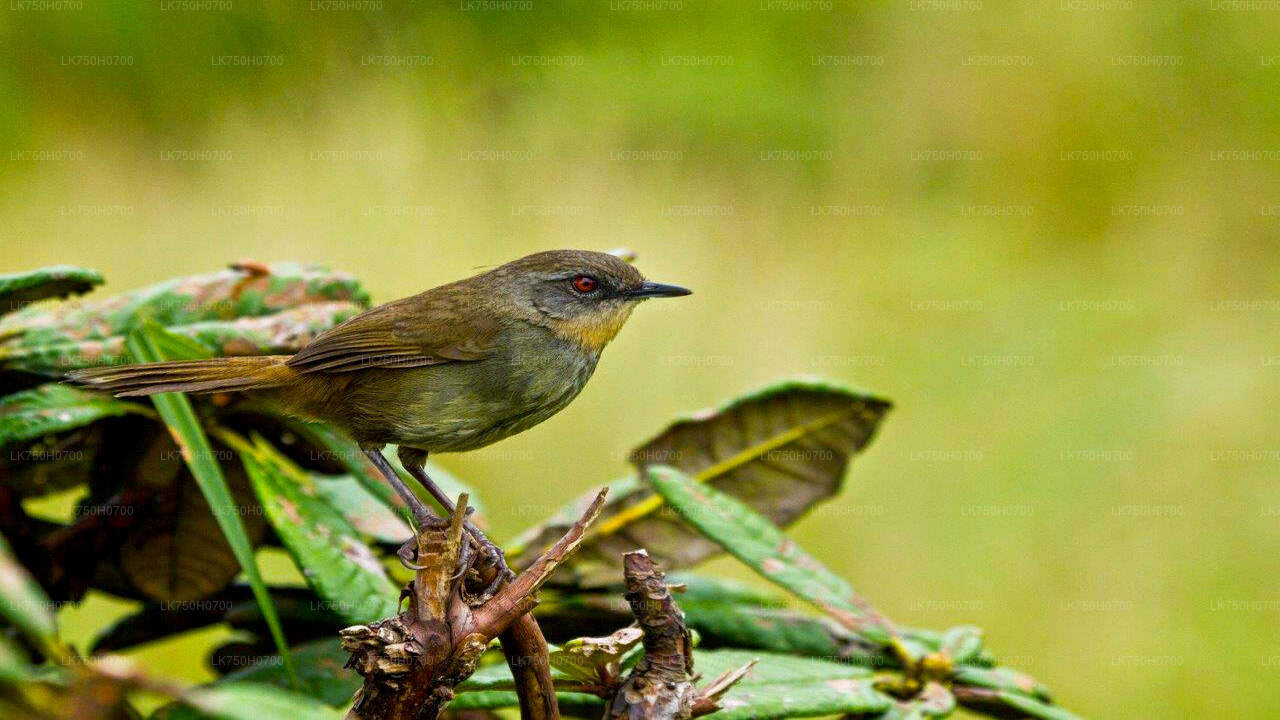
Anawilundawa is considered one of the premier birdwatching sites in Sri Lanka's northwest. Regularly recorded species include painted storks, purple herons, great white pelicans, lesser whistling ducks, black-necked storks, and several species of kingfisher. Raptors — including ospreys and various eagles — hunt over the open water. During migration, waders and terns appear on the tank margins.
- Waterbirds: painted stork, purple heron, great white pelican, lesser whistling duck
- Raptors: osprey, crested serpent eagle, white-bellied sea eagle
- Kingfishers: common, pied, stork-billed, and white-throated
- Waders (seasonal): common sandpiper, wood sandpiper, little stint
Early morning is consistently the most productive time for bird activity. A local guide familiar with the tank access points will significantly improve your species count, particularly for shyer species that keep to reed margins.
When is the best time to visit Anawilundawa?
The sanctuary is rewarding throughout the year, but the peak season for birdwatching runs from approximately October to February, when migratory species from Central Asia and the Indian subcontinent augment the resident population. Water levels in the tanks are generally highest after the northeast monsoon (October–December), concentrating birds and making them easier to observe.
The dry season from May to September can see lower water levels, but this sometimes pushes birds into tighter, more visible groups around remaining pools. Avoid visiting during heavy rain, when access tracks can become waterlogged.
Is there anything else to see near Anawilundawa Station?
The surrounding North Western Province landscape offers a low-key but genuinely rewarding travel experience. Paddy cultivation, traditional fishing in lagoons, and small Buddhist temples punctuate the route north toward Kalpitiya — a peninsula increasingly known for dolphin watching and kitesurfing on the Puttalam Lagoon.
Heading south from the station, the town of Chilaw and its well-known Munneswaram Temple are within comfortable reach. The broader coastal strip between Negombo and Puttalam is one of the least-visited parts of Sri Lanka's western seaboard, which is precisely its appeal for travellers wanting to avoid the more heavily touristed routes. Those with an interest in Sri Lanka's national parks may also consider combining a visit here with a trip to Wilpattu National Park, which lies roughly 60–70 km to the north and protects one of the island's largest tracts of dry zone forest.
Are there facilities at or near Anawilundawa Station?
Anawilundawa is a rural halt, so facilities at the station itself are minimal. Basic food stalls and small shops are typically found in the surrounding village. For more comprehensive accommodation and dining options, Chilaw to the south or Kalpitiya to the north are the most practical bases. Travellers planning a full-day birdwatching visit should bring water, sun protection, and insect repellent — shade at the tank margins can be limited during midday hours.
Anawilundawa railway station timetable
14 trains call at Anawilundawa on a typical day.
Puttalam Line · 99.7 km from Colombo Fort
| Departs | Towards | Runs |
|---|---|---|
| 05:23 am | Maradana | Sunday Only |
| 05:23 am | Mount Lavinia | Weekdays and Saturday Only |
| 07:27 am | Nooranagar | Daily |
| 10:49 am | Colombo Fort | Weekdays Only |
| 10:49 am | Colombo Fort | Saturday and Sunday Only |
| 11:44 am | Puttalam | Daily |
| 02:28 pm | Colombo Fort | Weekdays Only |
| 03:01 pm | Nooranagar | Weekdays Only |
| 05:39 pm | Colombo Fort | Weekdays Only |
| 05:41 pm | Colombo Fort | Saturday Only |
| 05:41 pm | Colombo Fort | Sunday Only |
| 08:11 pm | Puttalam | Weekdays Only |
| 08:11 pm | Puttalam | Saturday Only |
| 08:29 pm | Puttalam | Sunday Only |
Timetable mirrored from published Sri Lanka Railways schedules, last checked 2026-09-14. Times can change without notice — confirm with the railway before travelling. See the whole network on the Sri Lanka railway station list.
Nearby places
16 places within about 25 km, nearest first.
- Palavi Railway Station4 km
- Nelumpokuna Railway Station4 km
- Deduru Oya6 km
- Nooranagar Railway Station6 km
- Erukkalam Pendu Railway Station6 km
- Thalawila7 km
- Urani River Safari7 km
- Thilladiya Railway Station7 km
- Kakkapalliya Railway Station7 km
- Kuda Wawa Railway Station7 km
- Serukele7 km
- Sri Munneswaram Devasthanam7 km
- Munneswaram8 km
- Madurankuliya Railway Station9 km
- Mi Oya11 km
- Anamaduwa13 km
Related reading
5 pages on closely related subjects.