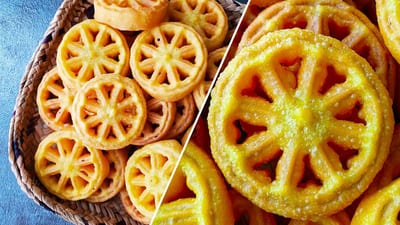
Sri Lankan sweets occupy a special place in the island's culinary identity. Rooted in centuries of tradition and shaped by influences from South India, the Arab world, Portugal, and the Netherlands, these treats are far more than simple desserts — they are edible expressions of culture, hospitality, and seasonal celebration. Most traditional recipes rely on a handful of core ingredients: coconut, jaggery, rice flour, and warming spices such as cardamom and cinnamon. The results range from melt-in-the-mouth soft confections to satisfyingly crunchy, deep-fried creations.
What ingredients define Sri Lankan sweets?
Coconut is the cornerstone of the Sri Lankan sweet-making tradition. Both freshly grated flesh and thick coconut milk appear in dozens of recipes, lending a natural richness that balances the deep caramel notes of kitul-derived treacle and jaggery. Jaggery — an unrefined sugar pressed from the sap of the kitul palm or sugarcane — carries a molasses-like warmth that refined white sugar simply cannot replicate.
Rice flour forms the structural backbone of many baked and steamed sweets, while semolina and wheat flour appear in recipes that arrived with European colonisers. Spices play a supporting role: cardamom lifts the aroma, cinnamon adds gentle heat, and a pinch of salt keeps sweetness from becoming cloying. Roasted cashews, sesame seeds, and dried fruits are common additions that provide textural contrast.
Which Sri Lankan sweets are most well known?
The range is broad enough to occupy an entire market stall on its own. Below are some of the most widely recognised varieties:
- Kavum — Deep-fried rice-flour cakes bound with kitul treacle, golden-brown and crisp on the outside, tender within. There are dozens of regional variations, including the elongated mung kavum made with mung-bean flour.
- Kokis — Lacy, flower-shaped crisps fried in coconut oil using a specially cast iron mould. The batter is made from rice flour and coconut milk. Learn more about kokis and how they are prepared.
- Aluwa — A firm, fudge-like sweet made from rice flour or semolina, sugar, and cashews, often cut into diamond shapes and scented with cardamom.
- Pani Kadju — Pani Kadju are whole cashew nuts coated in a thick, glossy layer of jaggery syrup, then left to set. They are a common offering at New Year tables and temple events.
- Aggala — Small spherical balls of roasted rice flour mixed with treacle or jaggery and rolled in toasted sesame seeds. Simple in preparation, complex in flavour.
- Watalappan — A baked or steamed coconut-milk custard set with jaggery and flavoured with cardamom and nutmeg. Watalappan has its roots in Malay culinary tradition and remains closely associated with Muslim Sri Lankan communities, particularly during Ramadan.
- Dodol — A dense, sticky confection slow-cooked from rice flour, coconut milk, and jaggery over many hours. Its chewy consistency and deep colour make it unmistakable. Dodol-making is a communal activity in many villages.
- Kiri Toffee — A milk-based toffee that has become a modern staple, sold in small individually wrapped pieces at virtually every roadside shop across the island.
When are Sri Lankan sweets traditionally made?
Festival cycles drive the rhythm of sweet production across Sri Lanka. The Sinhala and Tamil New Year — celebrated in mid-April — is the single most important occasion. Families prepare trays of kavum, kokis, aluwa, and aggala days in advance, and the sweets are placed on a ceremonial table at the auspicious time noted in the Sinhala Avurudu Nakath almanac before anyone is permitted to eat them.
Vesak — the full-moon festival commemorating the Buddha's birth, enlightenment, and passing — sees households and temples distributing sweets freely to neighbours and passers-by as an act of generosity. The Esala Perahera festival in Kandy draws enormous crowds, and street vendors line the processional route selling traditional sweets alongside savoury snacks.
Muslim Sri Lankan households prepare watalappan and oil-fried sweets for Eid celebrations, while Tamil households in the north and east offer sweet rice-flour preparations during Pongal. In short, almost every major celebration on the island's calendar has at least one sweet associated with it.
How do regional styles of sweet-making differ across Sri Lanka?
Geography and local ingredient availability have produced genuine regional variation. The low-country coastal belt, where coconuts grow in abundance, favours sweets that lean heavily on coconut milk and freshly grated flesh. The Dumbara Valley in the central highlands — known for its fertile microclimate and traditional crafts — has its own well-regarded assortment of sweets made using locally sourced jaggery and rice, reflecting methods passed down across generations.
In the hill country around Kandy and beyond, kitul-palm treacle is the preferred sweetener, giving sweets a slightly smokier, more complex sweetness than cane-based jaggery. Northern and eastern Sri Lanka feature Tamil-influenced sweets that often echo the confectionery traditions of Tamil Nadu — sesame brittles, lentil-based ladoo, and sweets made with rice flour and coconut are common.
Where can travellers taste authentic Sri Lankan sweets?
The most reliable places to find traditional sweets are local markets, roadside stalls, and family-run bakeries rather than hotel buffets, which tend to stock a narrower, more tourist-oriented selection. In Colombo, the Pettah market district is a dense concentration of sweet shops selling both Sri Lankan and South Indian confections side by side. In Kandy, small shops near the Temple of the Tooth and the central market stock a rotating selection depending on the season.
Village cooking demonstrations — sometimes arranged as part of a broader cultural excursion — offer the most immersive experience. Watching dodol being stirred continuously over a wood fire for several hours, or seeing kokis mould lifted from hot coconut oil in its perfect latticed shape, gives an appreciation for the skill and patience these recipes demand that no commercial product can convey.
How do Sri Lankan sweets compare to South Indian sweets?
The relationship is close but distinct. Many techniques and ingredients overlap, particularly in the use of rice flour, lentil flour, jaggery, and coconut. However, Sri Lankan sweets make heavier use of kitul treacle and coconut milk in their pure forms, and Dutch and Portuguese colonial influence introduced fried pastry methods — most visibly in kokis and love cake, a fragrant semolina cake enriched with cashews, rosewater, and spice — that have no equivalent in mainland South Indian traditions.
Watalappan stands apart from anything found in India; its Malay heritage gives it a custard-like texture that is unique to Sri Lanka. Sri Lankan sweets also tend to be less aggressively sweet than some North Indian mithai, relying more on the natural flavour of the sweetener than on large quantities of refined sugar.
Are Sri Lankan sweets suitable for dietary restrictions?
Many traditional sweets are naturally gluten-free, since rice flour is the dominant starch. They are also largely plant-based — coconut milk replaces dairy in most recipes, and eggs are absent from the majority of traditional preparations. Watalappan and love cake are notable exceptions, as both use eggs. Anyone with a tree-nut allergy should ask specifically about cashews, which appear frequently. Most traditional sweets are also free from artificial preservatives, though their shelf life varies: dodol and aluwa keep well for several days, while fresh kavum is best eaten within hours of frying.