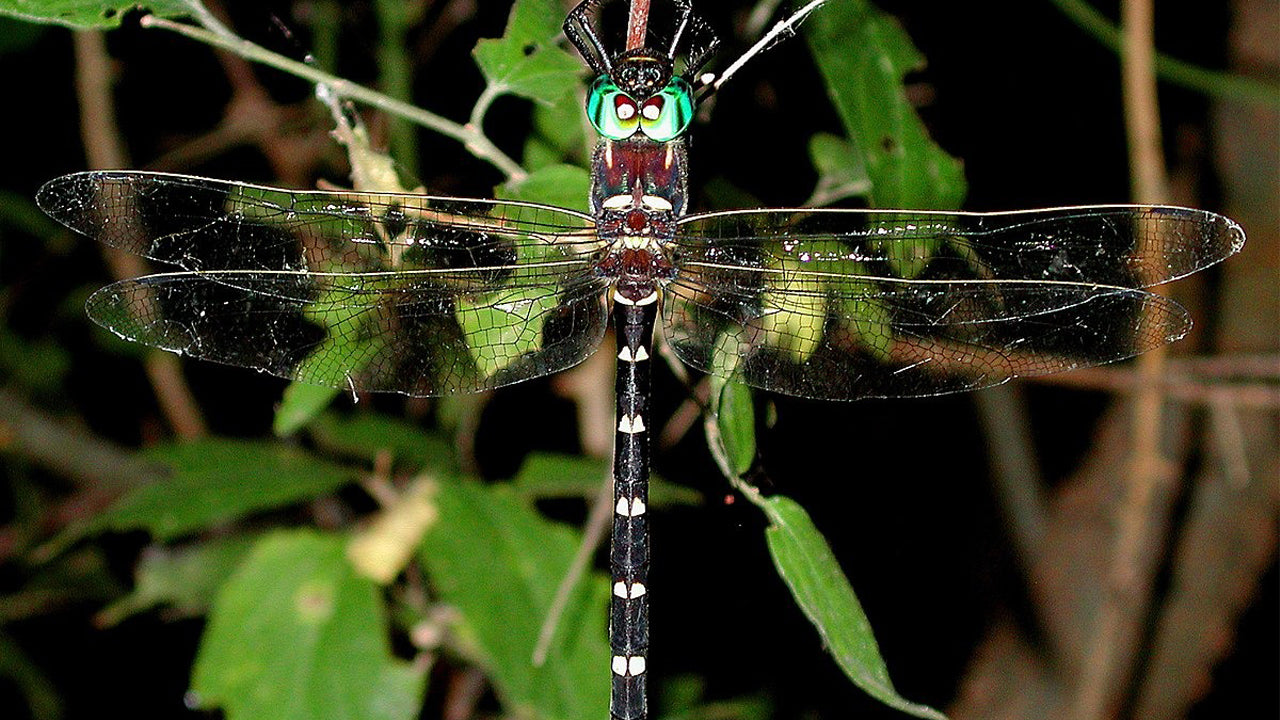
The Swamp Sprite (වගුරැසුරු නිල් ඉරටුකූරා) is among the most elusive damselflies in Sri Lanka. Belonging to a group found across South and Southeast Asia, this species is notable in Sri Lanka for its endemic subspecies hanwellanensis, which occurs nowhere else on Earth. Its discovery was relatively recent in entomological terms, and in the years since it was first recorded, only a handful of confirmed sightings have been made — a testament to just how difficult this insect is to find.
What is the Swamp Sprite, and why is it so rare?
The Swamp Sprite is a small damselfly species whose overall range extends through parts of South and Southeast Asia. Within Sri Lanka, the endemic subspecies hanwellanensis is confined to the island's wet lowland swamp habitats — a specific and increasingly threatened ecosystem. Rarity stems directly from habitat availability: suitable swamps in the wet zone are limited in extent and under ongoing pressure from drainage, land conversion, and encroachment. Even in locations where the species is known to occur, a sighting is not guaranteed, making it a genuine target for dedicated odonate enthusiasts.
Damselflies, unlike their dragonfly cousins, tend to stay close to the water's edge, perching on low vegetation. The Swamp Sprite is no exception, favouring shaded spots beneath the forest canopy along very slow-flowing or entirely stagnant water bodies. Its preference for deep shade within swamp interiors makes visual detection particularly challenging.
Where is the Swamp Sprite found in Sri Lanka?
Confirmed records of the Swamp Sprite are concentrated in the wet lowland zone of Sri Lanka, where intact swamp forest still persists. The species has been observed on vegetation along slow-moving streams and stagnant pools, typically under a closed canopy that limits light penetration to the water surface. The Sinharaja Forest Reserve and its surrounding low-country wet-zone buffer areas represent the type of habitat most closely associated with this subspecies, though specific site-level records remain limited in published literature.
Because so few locations have yielded confirmed sightings since the species was described, distributional mapping is still incomplete. Odonate researchers and wildlife photographers visiting suitable habitats should approach quietly and allow time for their eyes to adjust to low-light swamp conditions before scanning vegetation.
What habitat does the Swamp Sprite prefer?
This damselfly is a strict swamp specialist. It favours:
- Stagnant or near-stagnant pools within lowland swamp forest
- Very slow-moving streams where canopy cover is dense
- Emergent and overhanging vegetation at water level, which serves as both perch and hunting platform
- Areas with minimal human disturbance and intact surrounding forest
The combination of still or barely-moving water, heavy shade, and undisturbed vegetation appears to be non-negotiable for this species. Degraded swamps, even those with some standing water, do not seem to support established populations.
What is the conservation status of the Swamp Sprite?
Because of its highly restricted distribution, dependence on a threatened habitat type, and the very small number of known localities, the Swamp Sprite carries high conservation priority among Sri Lankan odonates. It is recognised by researchers working on the island's dragonfly and damselfly fauna as a species warranting urgent attention, though formal assessment under international frameworks such as the IUCN Red List may not yet reflect the full picture of its vulnerability.
The primary threats are habitat-driven. Lowland swamp forests in Sri Lanka's wet zone have been reduced substantially over the past century through agricultural conversion, urban expansion, and drainage schemes. The narrow ecological requirements of hanwellanensis mean that even localised habitat loss could extirpate a population entirely. Conservation of intact swamp forest patches — including those adjacent to larger protected areas — is the most direct measure that would benefit this species.
How does the Swamp Sprite compare with other Sri Lankan damselflies?
Sri Lanka has a rich odonate fauna, with a high proportion of endemic species and subspecies relative to the island's size. Many of these are tied to specific forest types or elevation bands. The Swamp Sprite sits at the more specialised end of this spectrum: while other damselflies can tolerate a range of waterbody types, hanwellanensis appears to require the particular microclimate and hydrology of undisturbed lowland swamp. This makes it ecologically comparable to some of the island's rarest forest-interior birds, which similarly depend on a shrinking habitat mosaic in the wet zone.
For visitors interested in Sri Lanka's broader wetland ecology, the country's mangrove and estuary systems — such as those found along the Madu Ganga — offer a different but complementary glimpse into the island's freshwater and transitional-zone biodiversity.
When is the best time to look for the Swamp Sprite?
Damselflies in Sri Lanka's wet zone are generally most active during warmer, drier periods when temperatures at the forest floor rise enough to promote flight activity. However, because the Swamp Sprite inhabits perennially shaded, humid swamp interiors, it is less affected by seasonal drying than species associated with open waterbodies. Early morning visits, when insect activity at the water surface tends to peak, are typically most productive. Carrying a macro-capable camera or close-focusing binoculars will significantly improve the chances of a confirmed identification.
Researchers and serious observers should consult the most recent literature from Sri Lankan entomological groups before planning a targeted search, as known localities and seasonal activity patterns may have been updated since the species was first described.
Why does Sri Lanka have so many endemic odonate species?
Sri Lanka's position as a large island close to the Indian subcontinent, combined with its dramatic range of habitats — from arid coastal scrub in the north to montane cloud forest in the centre and dense rainforest in the southwest — has driven exceptional levels of endemism across many animal groups. Odonates (dragonflies and damselflies) are particularly well represented because freshwater ecosystems on an island tend to become isolated over geological time, allowing populations to diverge. The wet lowland zone, which supports the Swamp Sprite, is one of the most biodiverse corners of the island and overlaps substantially with Sri Lanka's highland protected areas and their river catchments.