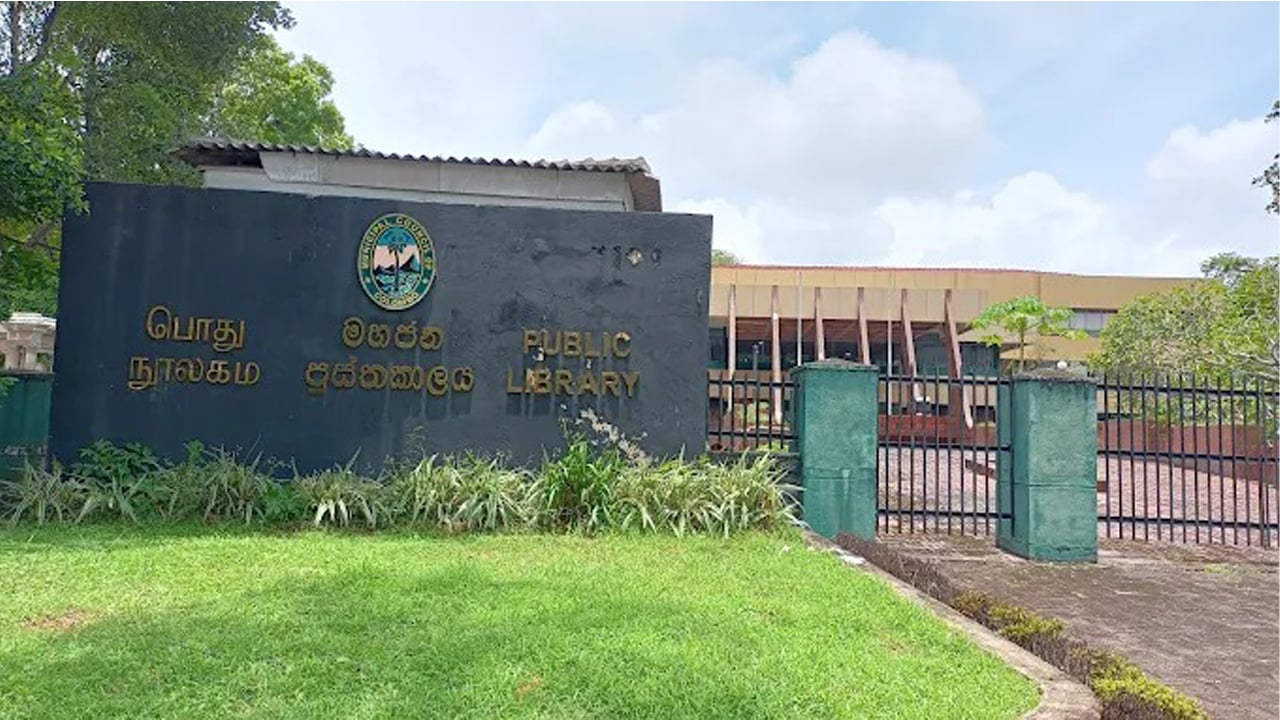

The Colombo Public Library stands at the edge of Vihara Maha Devi Park in the heart of the city, its white neoclassical facade a quiet counterpoint to the traffic and commerce that surround it. For anyone curious about the intellectual and civic history of Colombo, a visit here rewards more than the books on its shelves — the building and the institution itself carry nearly two centuries of story.
How did the Colombo Public Library begin?
The roots of the library reach back to 1813, when a reading room exclusively for British civil and military officers was founded in Colombo under the name The United Service Library. It was housed in a building opposite Queen's House — today the President's House — and was never intended for the general public.
A parallel institution, the Colombo Pettah Library, opened a few years later in Pettah, then the residential quarter of the Burgher community. As Fort became increasingly commercial and crowded, many Burgher families had relocated to Pettah, and their library served that community.
By the early twentieth century, both libraries had grown but neither had secure long-term footing. The Colonial Secretary at the time, Sir Cecil Clementi, convened a meeting of subscribers to both institutions. They agreed to merge their collections and hand them over to a new, publicly accessible library that would be run as a department of the Municipal Council.
On 10 August 1925, the Colombo Free Library formally opened — brought into being on a resolution moved in the Municipal Council by E. W. Jayawardena. It was a significant moment: for the first time, residents of Colombo beyond the colonial administrative class had a civic library of their own.
Where was the library originally housed?
The new public library did not immediately occupy the building where it stands today. For 55 years it operated from Sirinivasa, one of Colombo's oldest mansion houses, situated on Edinburgh Crescent and owned by Mudaliyar Sri Chandrasekera. The property was spacious enough for the library's early decades, but as the collection grew and public use increased, a purpose-built facility became necessary.
When the library finally moved to its present site at Vihara Maha Devi Park, the former Sirinivasa mansion was repurposed as the official residence of the Mayor of Colombo, a role it continues to serve.
What is the Colombo Museum Library and how does it relate?
A third institution shapes the early library landscape of the city: the Colombo Museum Library. Governor Sir William Gregory, who served from 1872 to 1877 and founded the Colombo National Museum, was equally committed to its reference collection. He commissioned acquisitions in natural history and oriental literature, building a library of genuine scholarly value.
The library of the Royal Asiatic Society, Ceylon Branch was also housed within the Museum at this period, creating what was effectively the most important research library in the island for students of history, anthropology, and the natural sciences. The two collections reinforced each other, and the Colombo Museum Library remains a specialist resource distinct from the public library system.
What does the current library building look like?
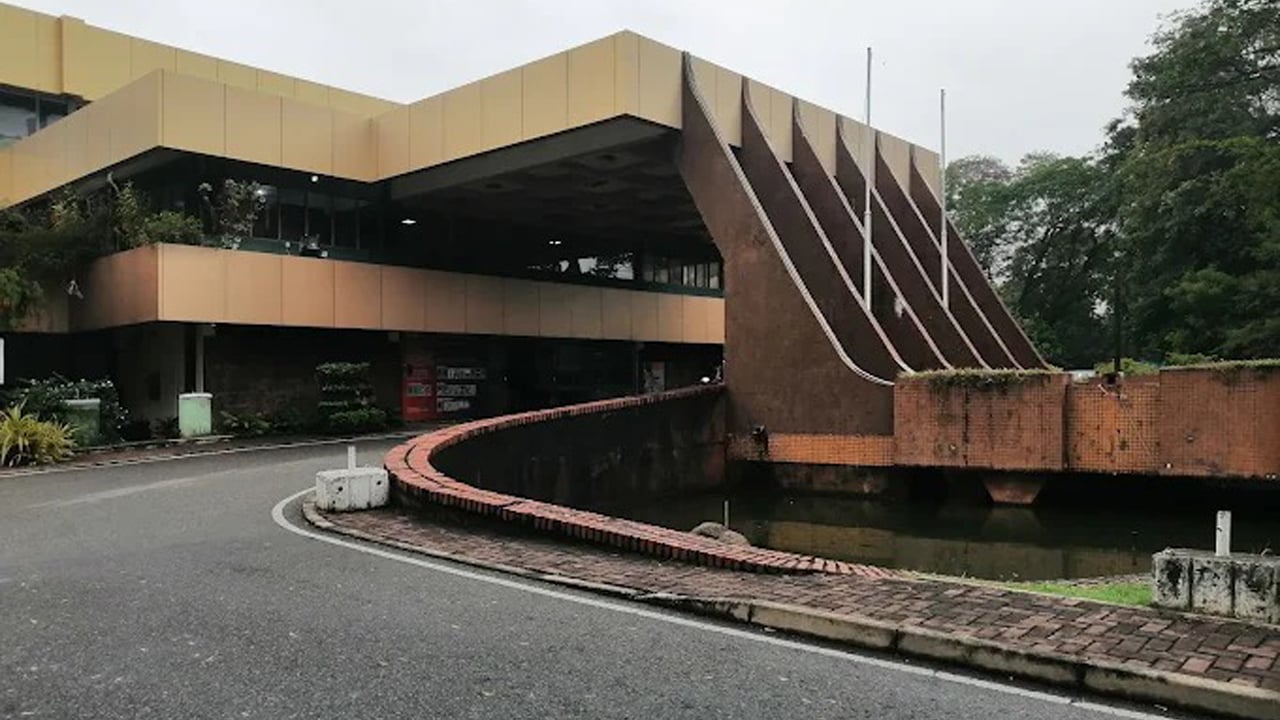
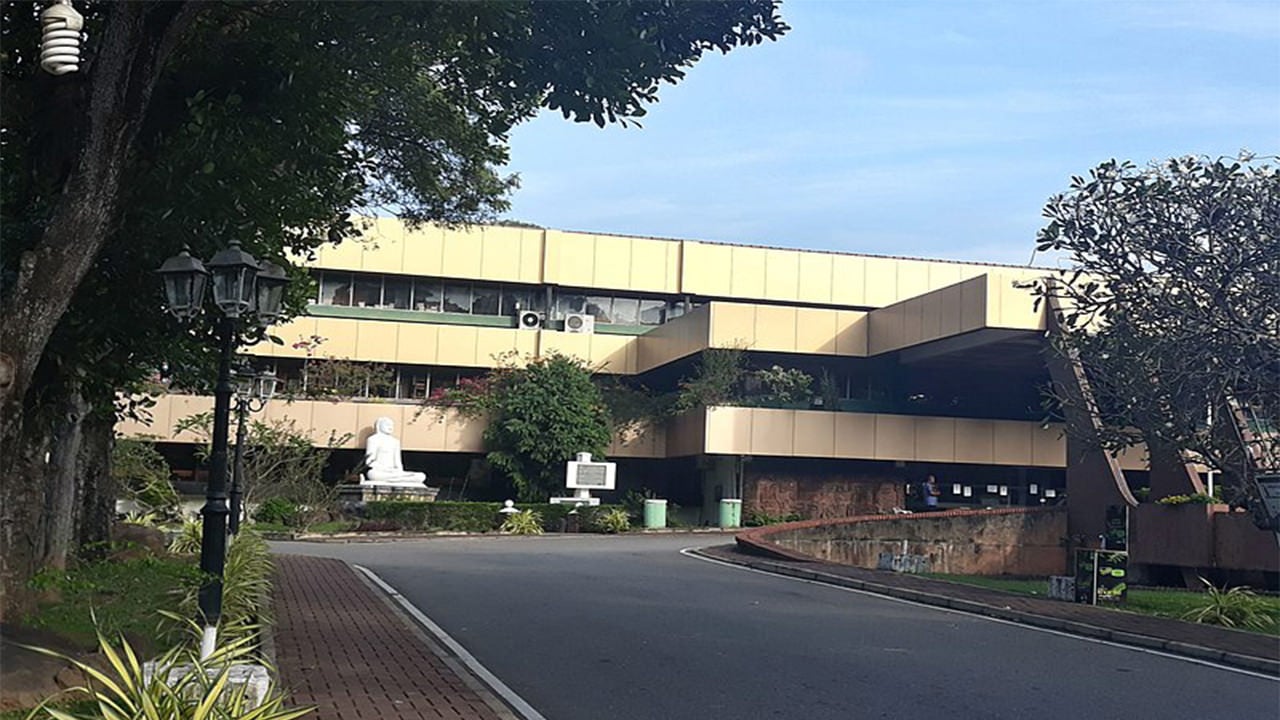
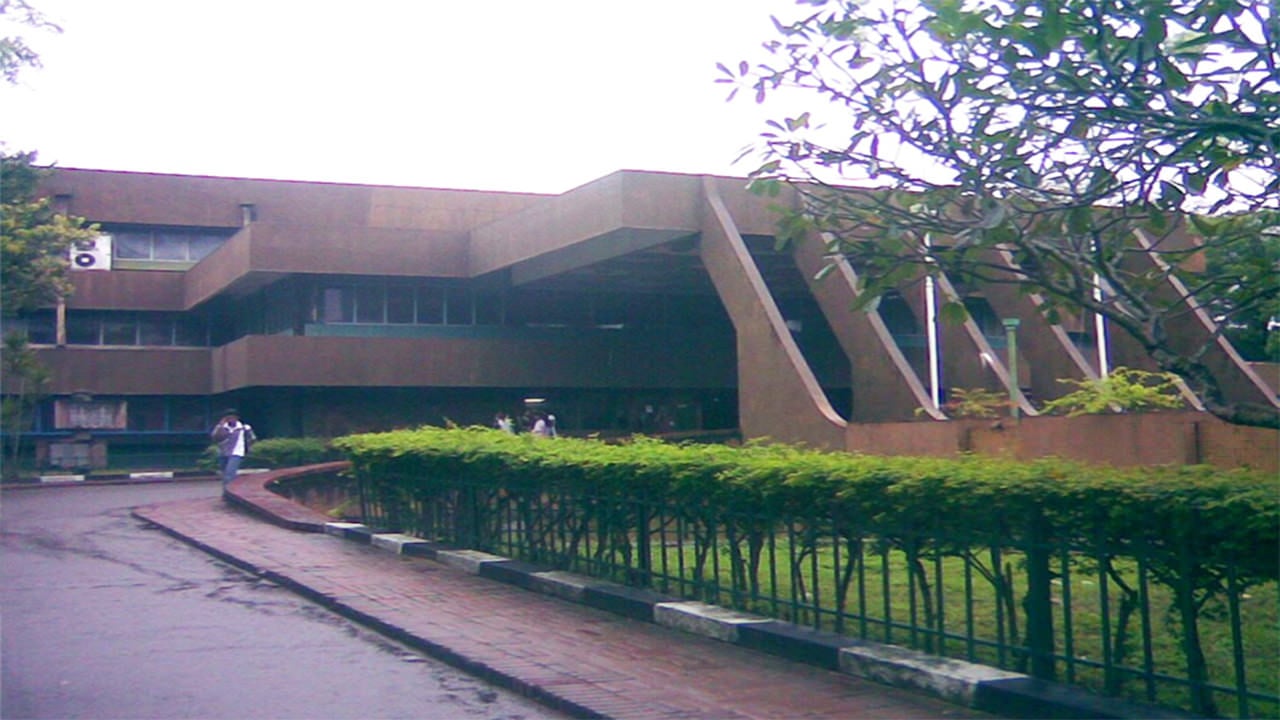
The present Colombo Public Library building at Vihara Maha Devi Park is a recognisable piece of civic architecture — a structured, symmetrical design with colonnaded elements that signal its institutional character without being austere. The park setting provides a pleasant approach, and the building is often photographed alongside the adjacent park greenery and the nearby Colombo Lotus Tower, which has become another of the city's defining landmarks.
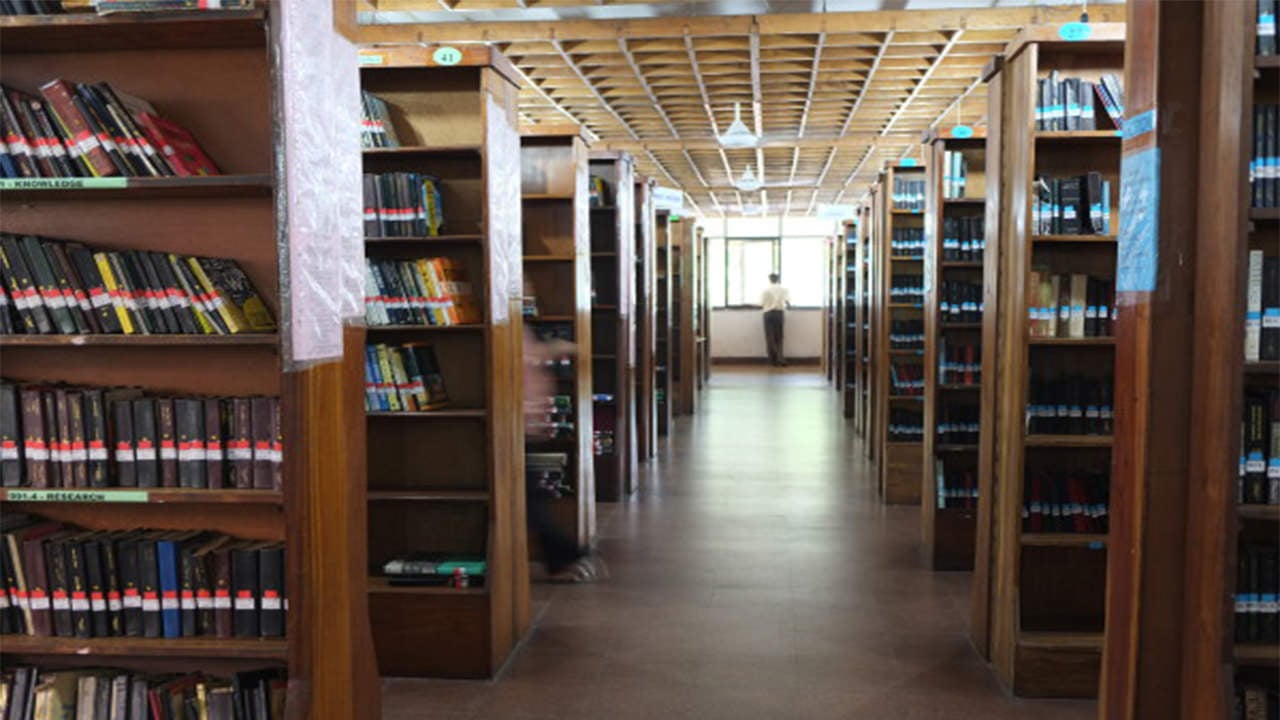
Inside, the library holds general reading rooms, periodical sections, and dedicated spaces for research. It serves both students and general readers and is open to the public during regular municipal hours.
Why is the library significant beyond its books?
The Colombo Public Library represents a civic ideal that took more than a century to fully realise — moving from a colonial officers' reading room to a genuinely public institution. Its establishment in 1925 coincided with a broader period of political awakening in Ceylon, and the Municipal Council's decision to fund and administer it reflected growing demands for public services that served all communities, not just the colonial elite.
The library also preserves historical newspapers, government documents, and rare Sinhala and Tamil texts that are not readily available elsewhere, making it a resource for researchers interested in the colonial and post-independence periods of Sri Lankan history.
How do I get to the Colombo Public Library?
The library sits on Sir Marcus Fernando Mawatha, adjacent to Vihara Maha Devi Park in Colombo 7, one of the city's most accessible central districts. It is within walking distance of the Colombo Town Hall and a short drive from the Fort railway station. Tuk-tuks and metered taxis are readily available throughout the city centre. If you are combining the library with a broader half-day circuit, a Colombo city tour organised through Lakpura can include it alongside other civic and cultural landmarks.
What else is worth visiting near the library?
Vihara Maha Devi Park itself is worth an hour — it is the largest urban park in Colombo, with a statue of Queen Vihara Maha Devi, a children's fairground, and tree-lined walks. The Colombo National Museum is a short walk away and holds one of the most comprehensive collections of Sri Lankan antiquities, royal regalia, and natural history exhibits in the country. The Town Hall, another landmark of early twentieth-century civic architecture, is directly opposite the park entrance.
For travellers passing through Colombo on a longer itinerary, the city's combination of colonial-era buildings, contemporary commercial districts, and green spaces makes it a worthwhile stop before heading to destinations such as Sinharaja Forest Reserve or the cultural sites of the north-central plains.
Is the Colombo Public Library open to foreign visitors?
The library is a public institution and visitors are generally welcome to enter and use the reading rooms. Research access to special collections may require prior arrangement with library staff. It is worth confirming current opening hours before your visit, as municipal holiday schedules can affect access. Photography policies inside the building vary and it is courteous to ask staff before taking photographs in reading areas.
Nearby places
11 places within about 25 km, nearest first.
- Colombo Town Hallunder 1 km
- Nelum Pokunaunder 1 km
- National Art Galleryunder 1 km
- Green Pathunder 1 km
- Viharamahadevi Parkunder 1 km
- National Museumunder 1 km
- Racecourse Shopping Complexunder 1 km
- Seema Malakaunder 1 km
- Unique Towers, Colombounder 1 km
- Gangaramaya Templeunder 1 km
- R Premadasa International Cricket Stadium (Colombo)under 1 km