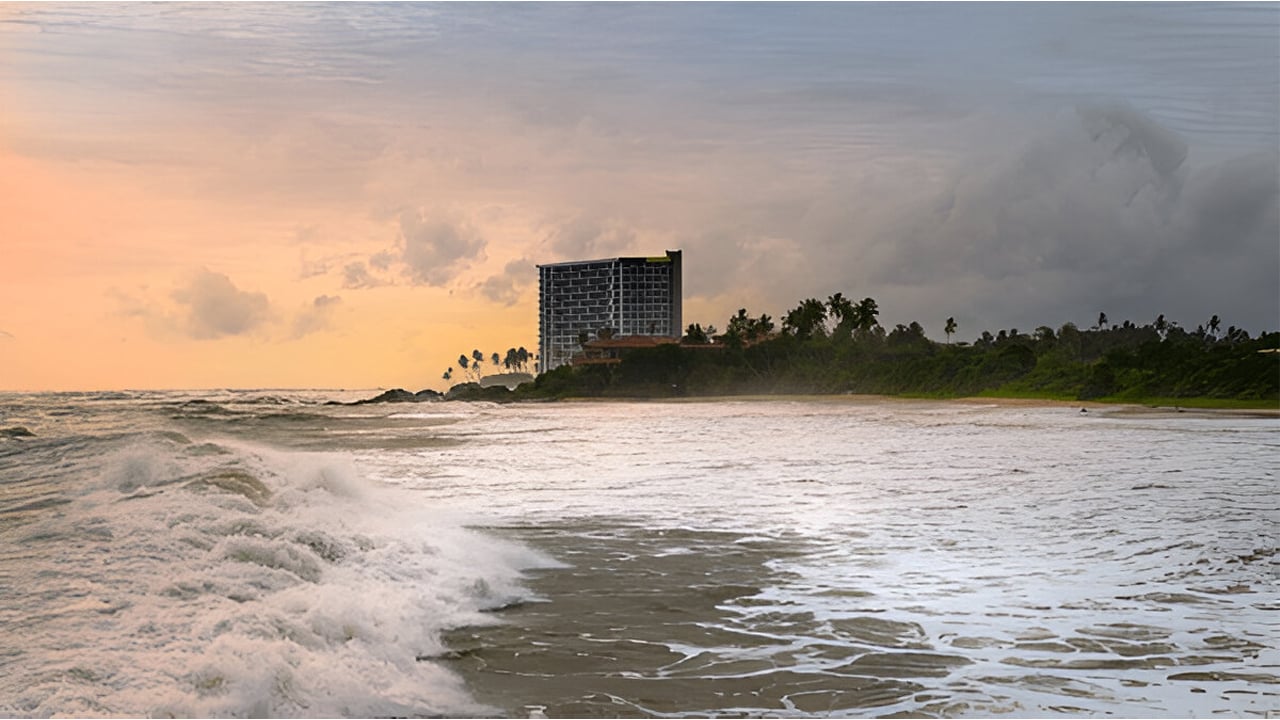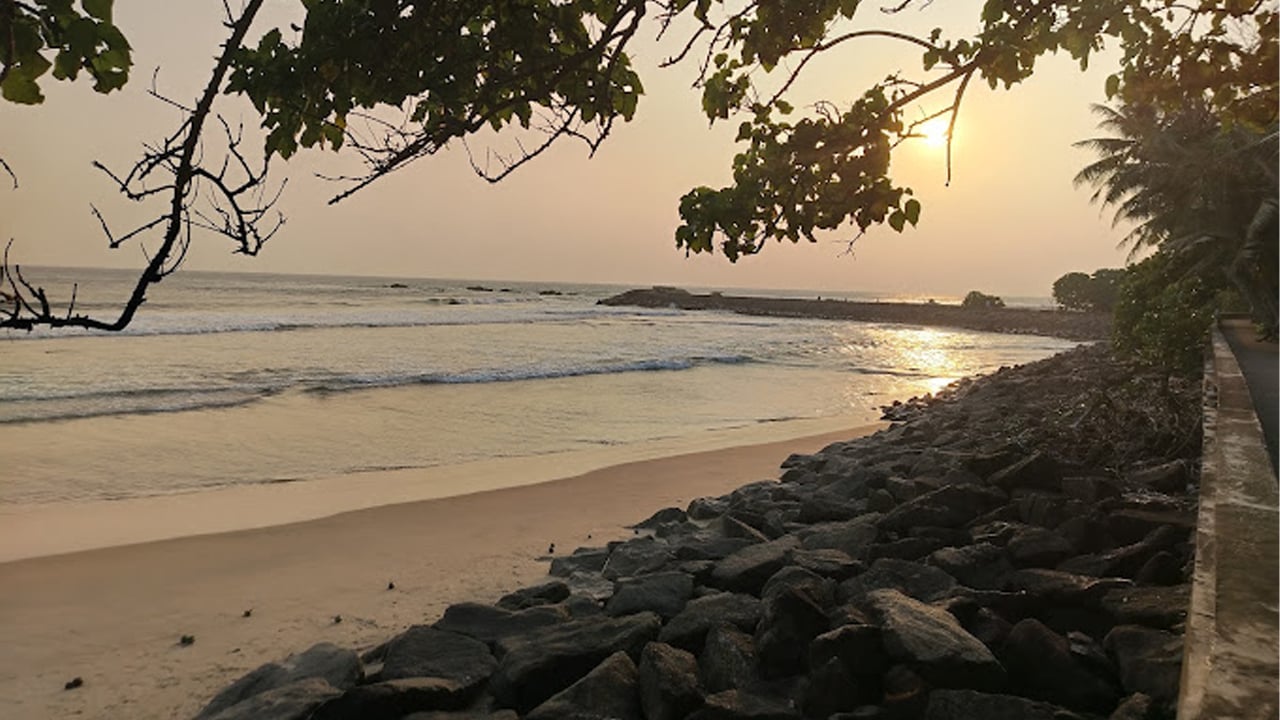
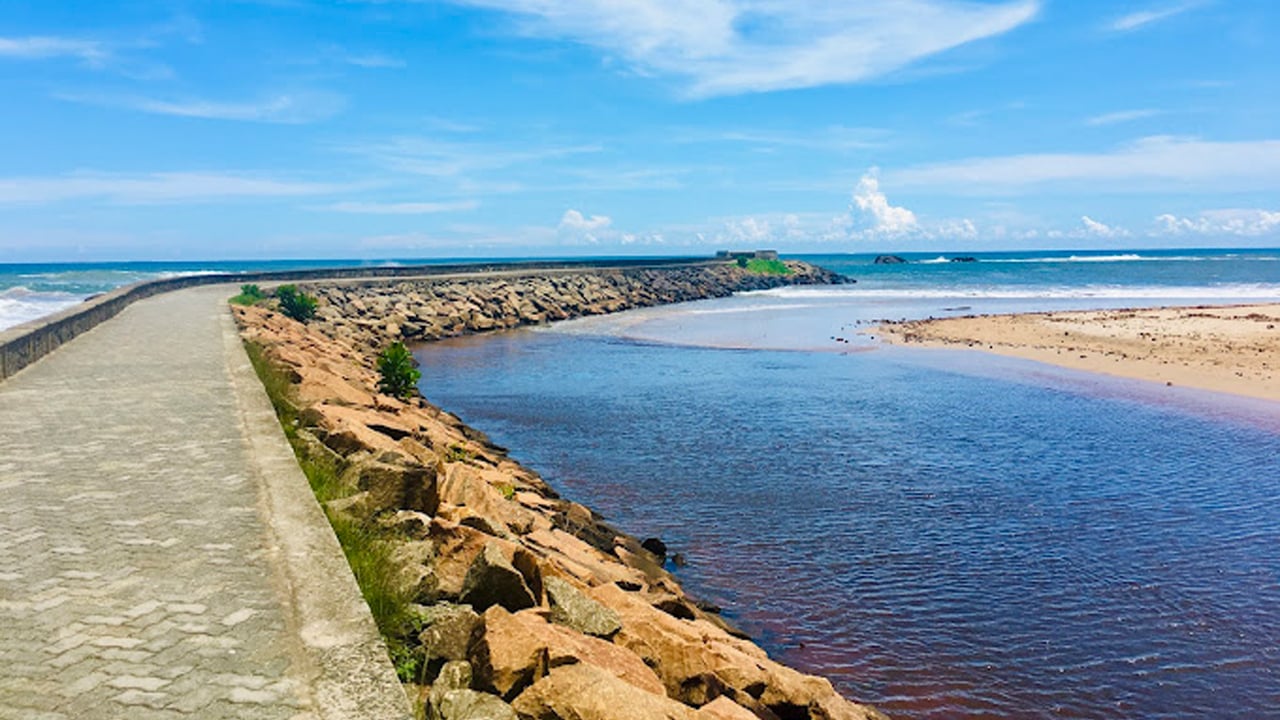

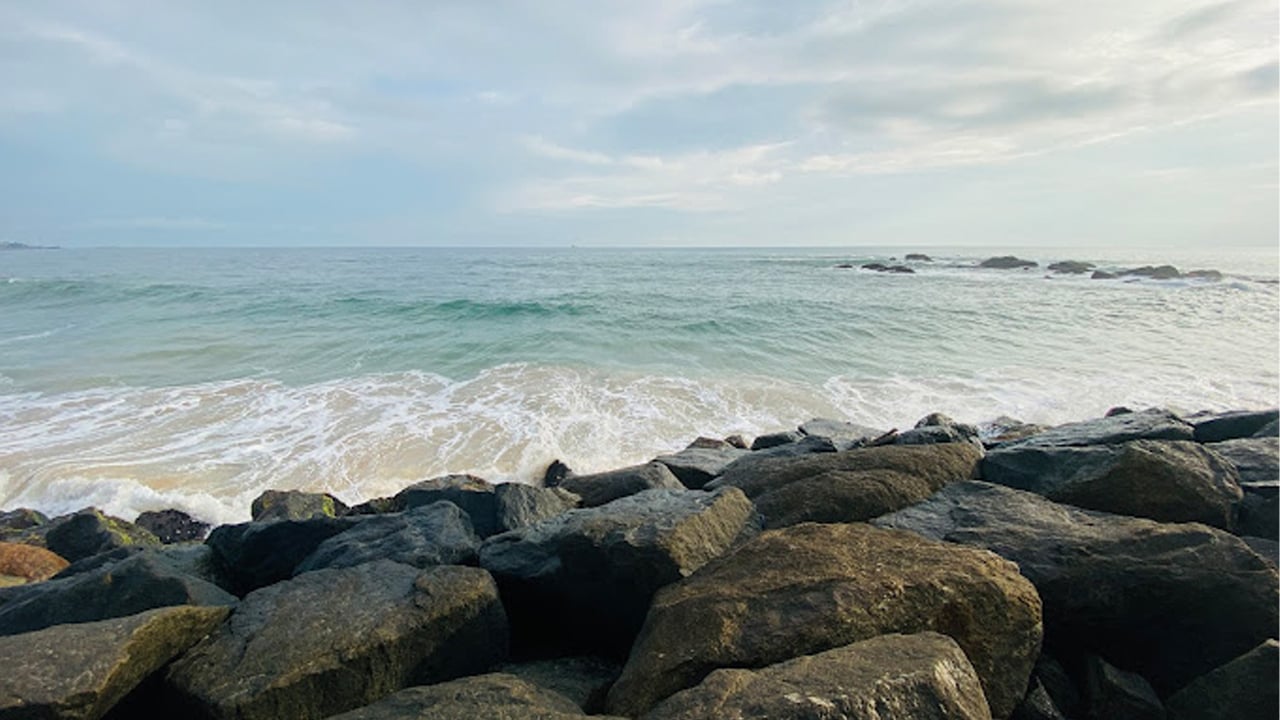
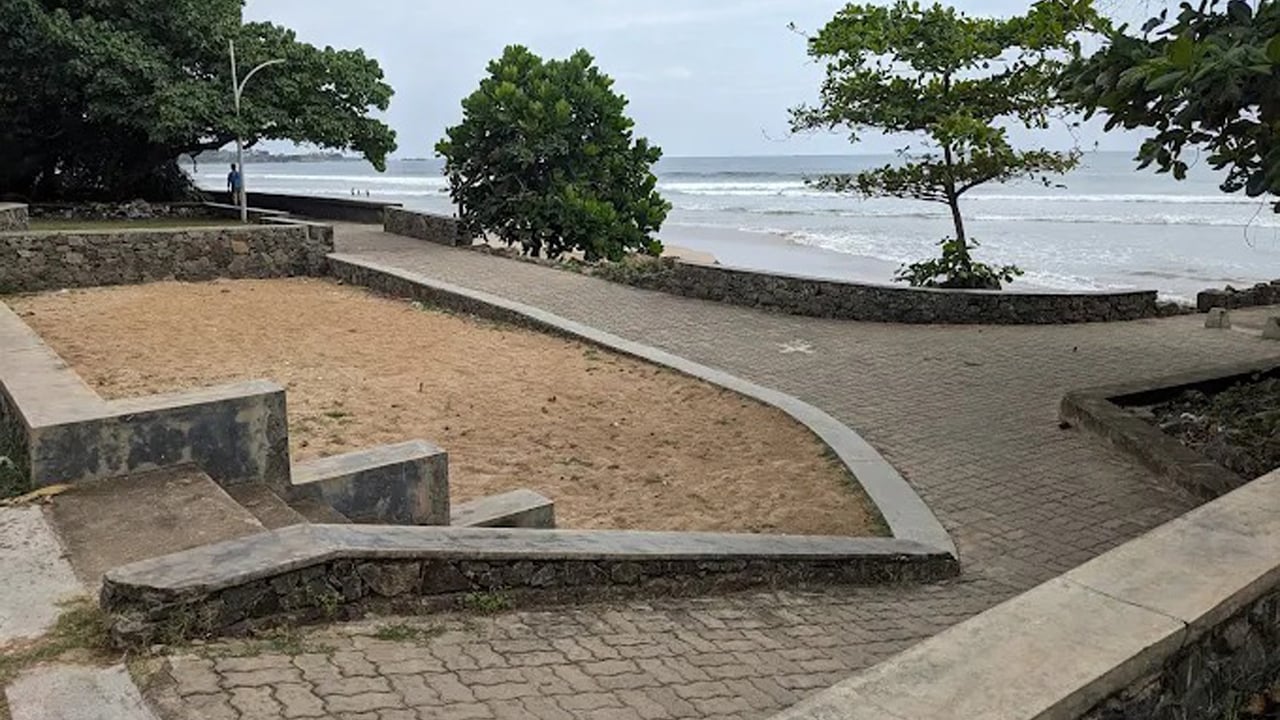
Mahamodara Beach sits just outside the city of Galle on Sri Lanka's southern coast, occupying a stretch of shoreline that sees a fraction of the foot traffic of more famous neighbours like Unawatuna or Hikkaduwa. That relative obscurity is its main draw. The beach offers golden sand, calm water framed by coconut palms, and an unhurried pace that is increasingly rare along this coastline.
What is Mahamodara Beach like?
The beach is characterised by soft sand, gently shelving water, and a largely undeveloped foreshore. There are no beach clubs, jet-ski vendors, or souvenir stalls lining the sand — the shoreline retains an everyday, neighbourhood quality that appeals to travellers who find commercial beach strips exhausting. The palm canopy provides natural shade through much of the morning and late afternoon, and the sea breeze off the Indian Ocean keeps temperatures comfortable even in the warmer months.
The adjacent Mahamodara Lake and its bordering mangroves form a small but productive wetland ecosystem. Wading birds, kingfishers, and the occasional monitor lizard are regular presences near the lake edge, making a short walk between the beach and the lagoon a rewarding way to spend an hour.
What can you do at Mahamodara Beach?
- Shoreline walks: The quiet beach is well suited to unhurried strolling, particularly in the early morning when the light is low and the sand is cool underfoot.
- Sunset watching: The western orientation of this stretch of the southern coast means late-afternoon colour fills the sky over the water — a reliable reward for visitors who time their visit accordingly.
- Birdwatching around the lake: The mangrove fringe and the lake itself attract herons, egrets, and a range of smaller waterbirds. A pair of binoculars and patience are all that is needed.
- Swimming: Conditions are generally calm, though as with any Sri Lankan beach the sea state varies seasonally. The southern coast is at its calmest from November through April; outside those months, surf and currents can pick up significantly.
- Photography: The contrast of palm trunks, dark-green mangroves, and open sea makes Mahamodara a productive location for landscape and nature photography at either end of the day.
When is the best time to visit Mahamodara Beach?
The southern coast of Sri Lanka experiences its dry season roughly between November and April, when the southwest monsoon has passed and the sea is calm and clear. This is the safest period for swimming and the most pleasant for beach walks. The peak of the dry season — December through March — coincides with the main tourist season for Galle and the surrounding area, so nearby accommodation can book up quickly.
From May through October, the southwest monsoon brings heavier rain and rougher seas to this part of the coast. Visiting during this period is still possible — the landscape is lush, the beach remains visually appealing, and the area is quieter — but swimming is not advisable on days when swells are running.
How do I get to Mahamodara Beach from Galle?
Mahamodara Beach is located close to the centre of Galle, making it one of the more accessible quiet beaches on the southern coast. The most straightforward approach is by tuk-tuk from Galle Fort or Galle bus stand, a short ride that takes around ten to fifteen minutes depending on traffic. Those with their own vehicle can navigate to the Mahamodara area using the Matara Road as a reference and then follow local signage toward the coast. Parking near the beach is informal but generally available. There is no dedicated shuttle or public-transport route that drops visitors directly at the beach, so a tuk-tuk or private car remains the easiest option.
What else is near Mahamodara Beach?
Galle itself is the most compelling nearby attraction. The Dutch-built Galle Fort — a UNESCO World Heritage Site — is a compact walled city containing colonial architecture, boutique hotels, galleries, and some of the south's better restaurants. A Galle city tour can be combined naturally with a morning or afternoon at Mahamodara, making it straightforward to experience both the heritage streetscape and the quieter shoreline in a single day.
Further along the coast, the Koggala Sea Turtle Conservation Project offers a meaningful opportunity to learn about sea turtle protection efforts active on this stretch of coastline, particularly relevant for visitors with an interest in marine conservation. The Madu River Safari on the Madu Ganga, located a short drive north toward Balapitiya, is another worthwhile half-day excursion that pairs well with a beach stay in the Galle area.
The broader southern coast — running east through Unawatuna, Mirissa, and toward Tangalle and Yala — offers considerable variety for travellers who want to extend their time in the region beyond a single beach.
Is Mahamodara Beach good for families?
The beach's calm, relatively sheltered character makes it a reasonable choice for families with older children, particularly during the dry season when the sea is placid. The absence of water-sports vendors and beach bars also means a quieter environment for young children. Parents should exercise standard caution around the water and check local conditions on the day, as sea states along the southern coast can change without obvious warning, especially outside the main dry-season window. The lake and mangrove area adjacent to the beach adds a nature-focused element that younger visitors tend to find engaging.
Where should I stay near Mahamodara Beach?
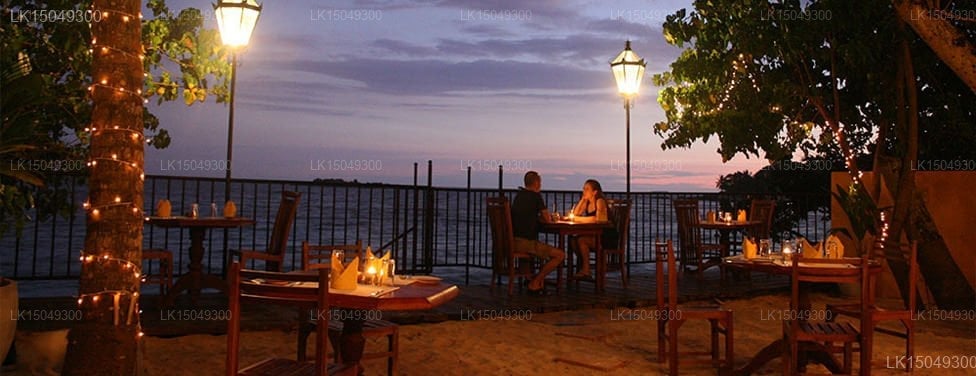
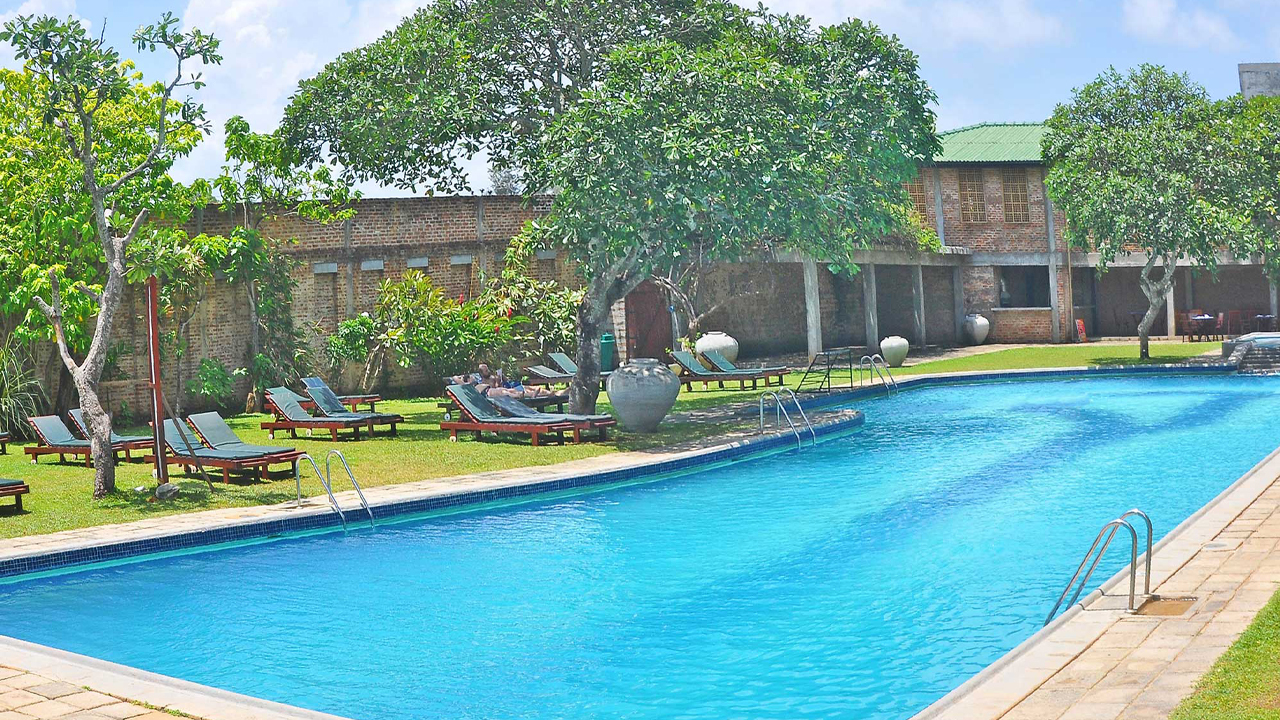
Galle town and the Unawatuna area — both within a few kilometres — offer the widest range of accommodation near Mahamodara, from large resort hotels to small guesthouses. Lakpura partners with several well-regarded beach properties along the southern coast, providing a range of options to suit different travel styles and budgets. Booking accommodation close to Galle keeps the beach, the fort, and day trips toward Mirissa or Yala all within comfortable reach.
Nearby places
14 places within about 25 km, nearest first.
- Galle Harbourunder 1 km
- Galle Literary Festivalunder 1 km
- Middle Rampartunder 1 km
- Buddhist temple Galle Fortunder 1 km
- Galle Dutch Fortunder 1 km
- Galle International Cricket Stadiumunder 1 km
- National Maritime Museum Galleunder 1 km
- Shipwreck Divingunder 1 km
- Galle Marvels (Galle Titans)under 1 km
- Moon Bastionunder 1 km
- Athapattu Walawwaunder 1 km
- St Marys Cathedral Galleunder 1 km
- Galle City Tourunder 1 km
- Galle Railway Stationunder 1 km
Related reading
8 pages on closely related subjects.