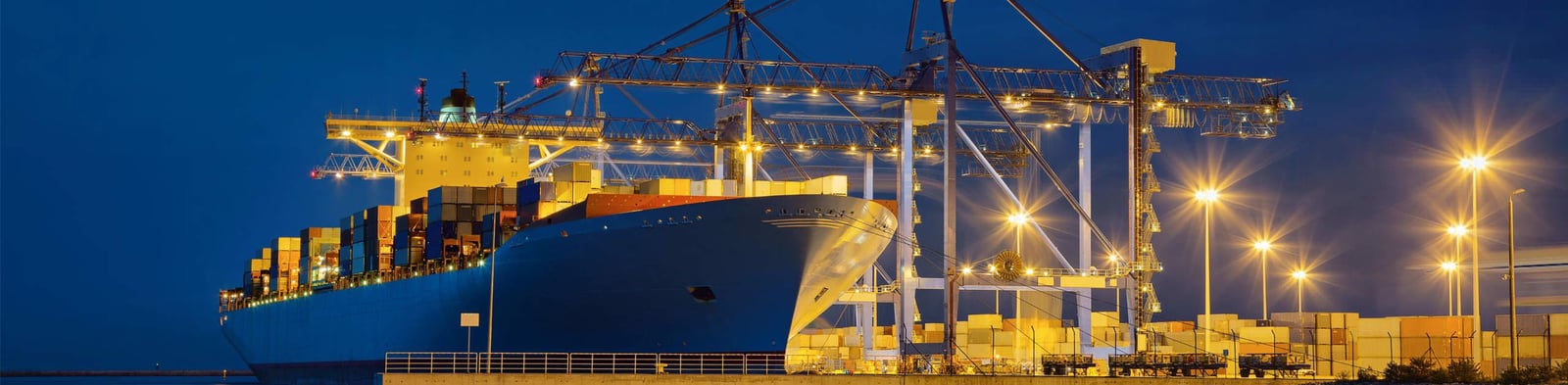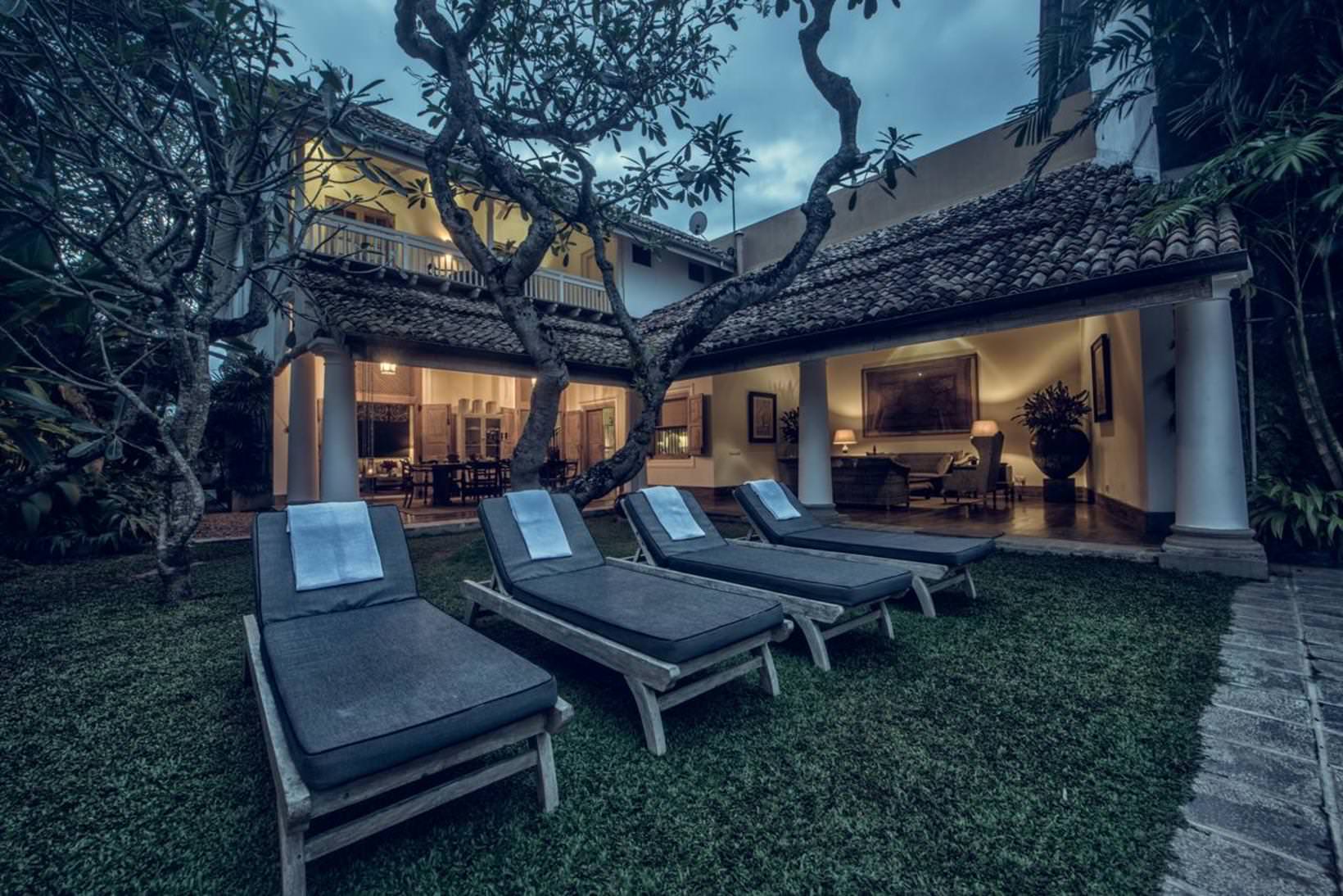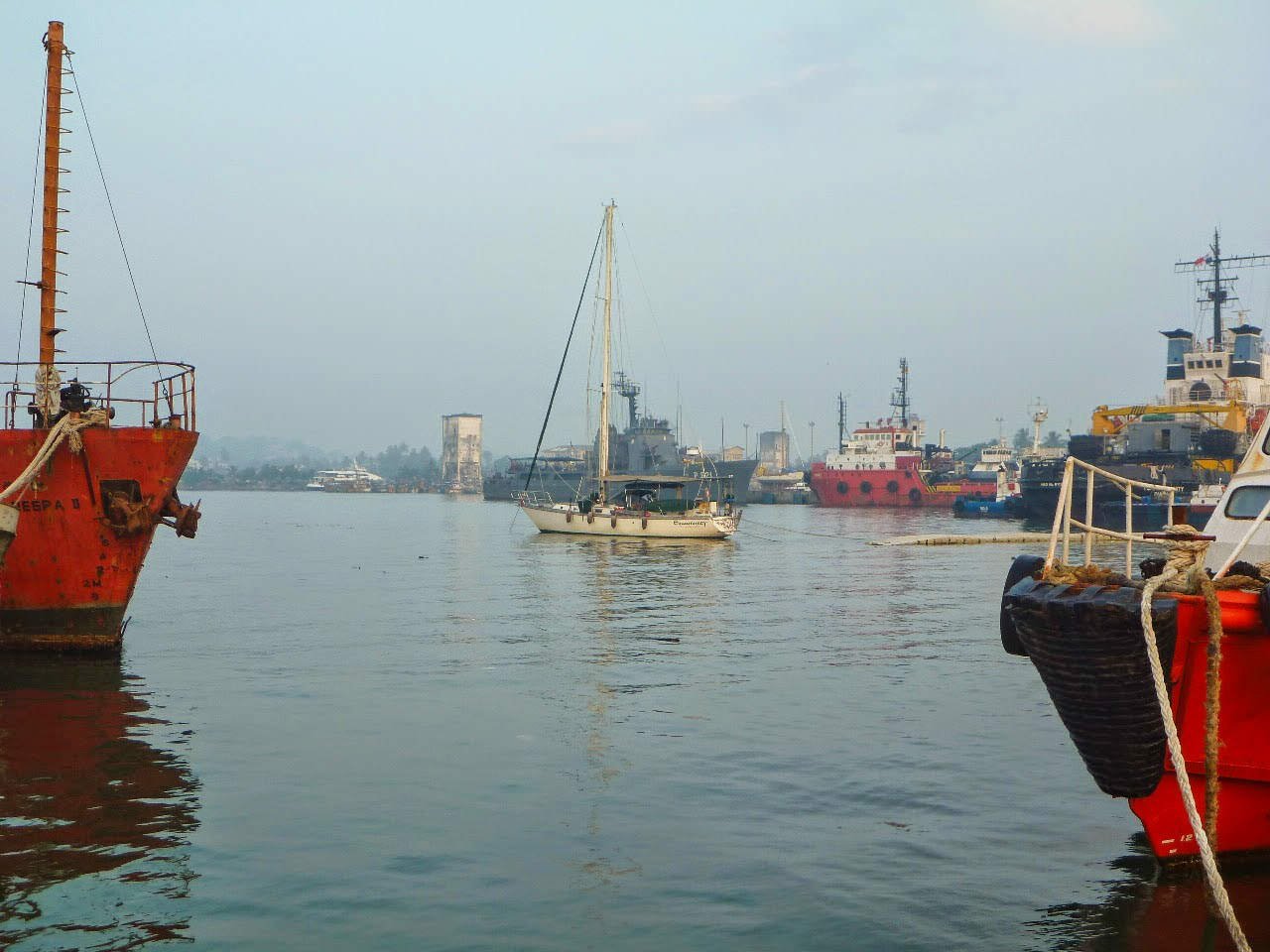
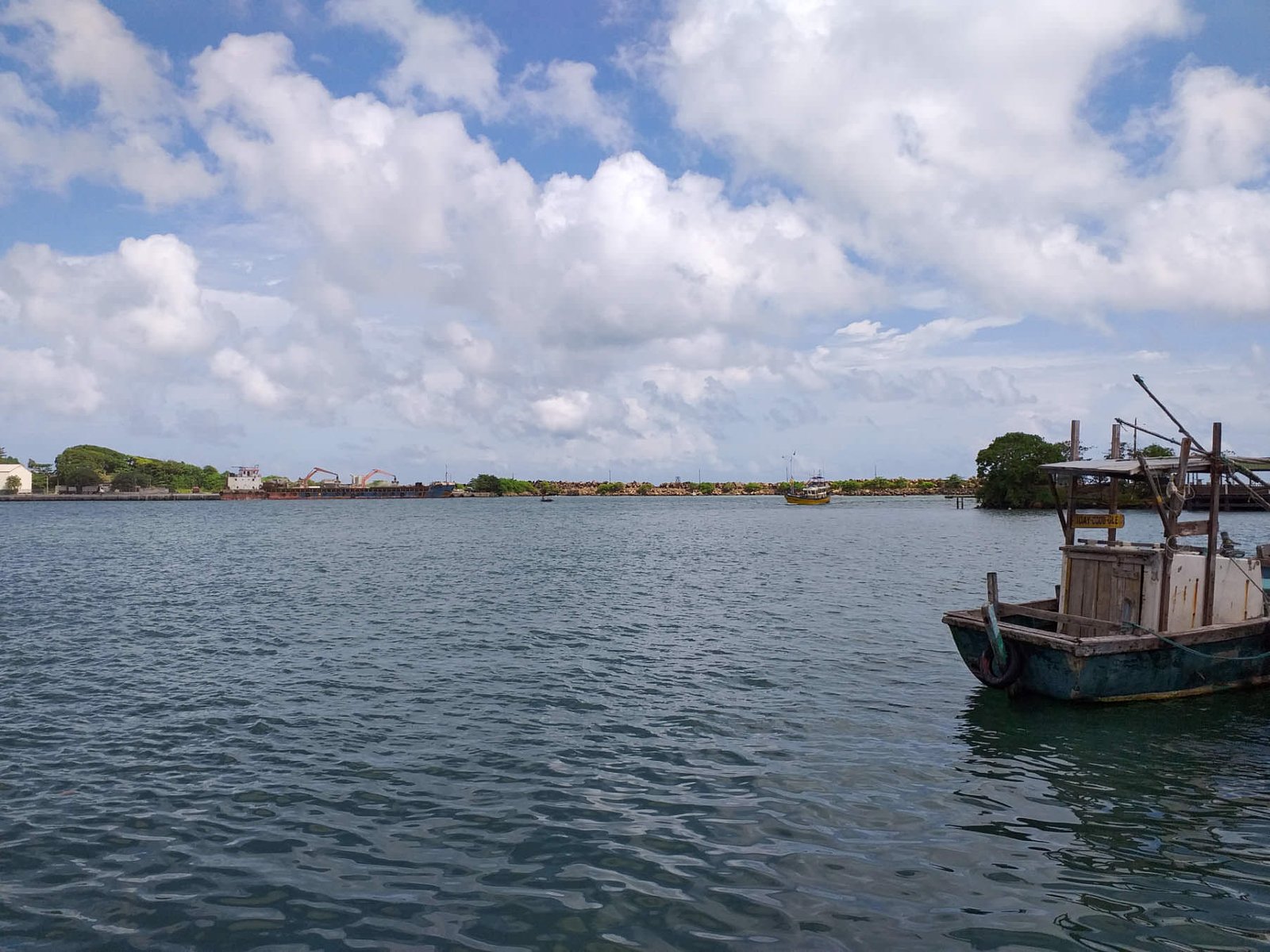
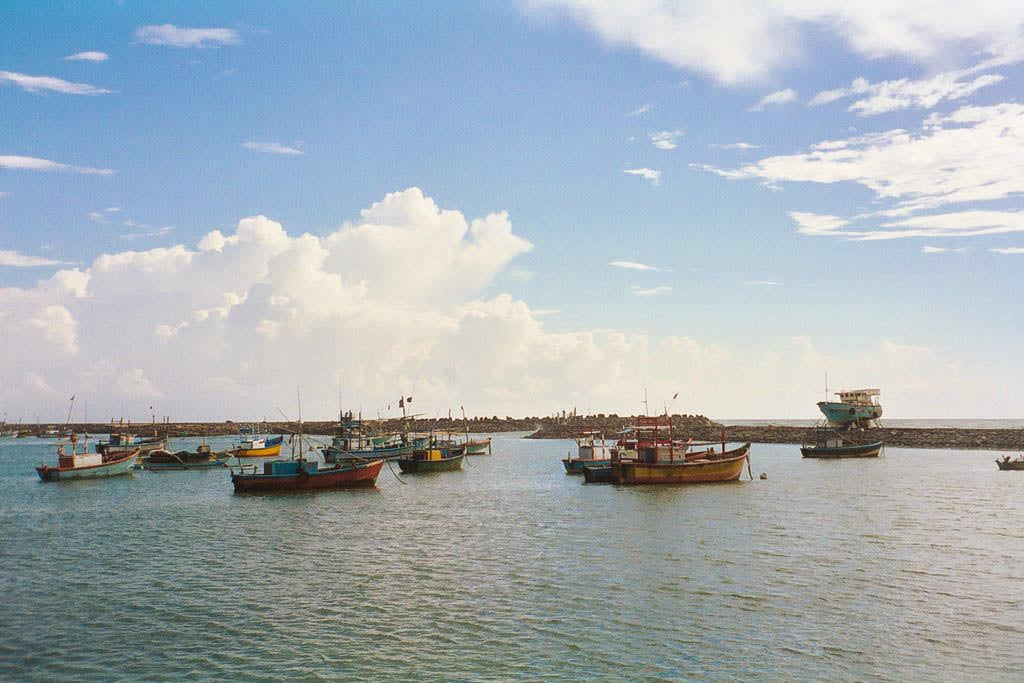
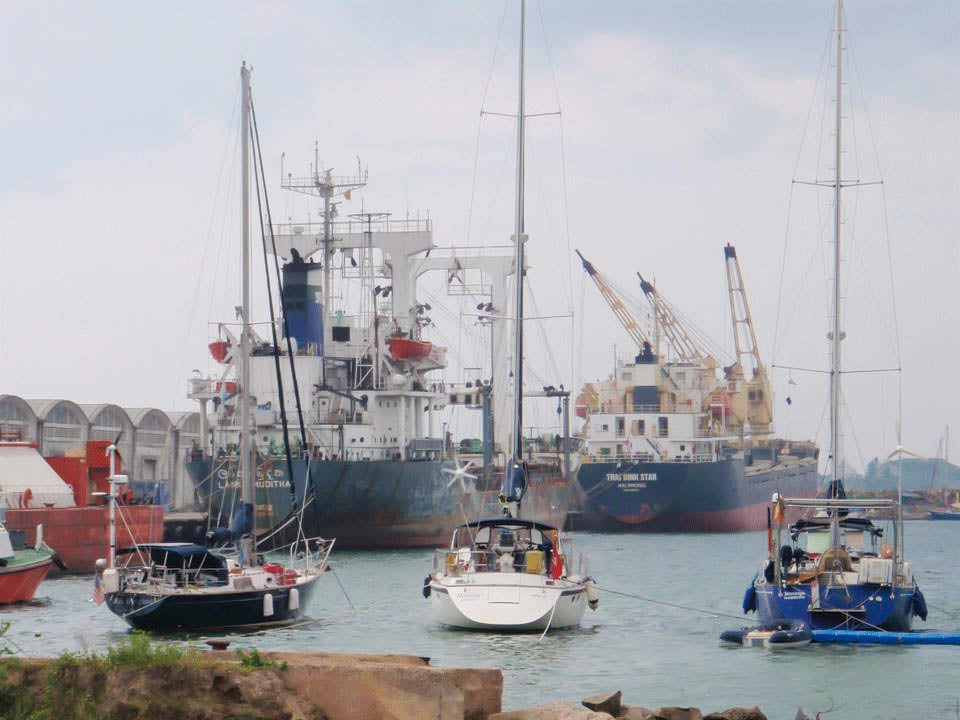
Galle Harbour sits on the south-western tip of Sri Lanka, cradled by the ancient ramparts of Galle's historic fort district on one side and the open Indian Ocean on the other. It is one of the country's most active regional ports and holds a distinction shared by no other Sri Lankan harbour: it is the only port on the island equipped with full facilities for pleasure yachts. That combination of working port and world-class yachting haven gives Galle Harbour a character that is genuinely its own.
What makes Galle Harbour significant for maritime history?
Galle's position on the ancient sea routes between the Middle East, India, and Southeast Asia made it a natural stopover for traders and explorers for more than two thousand years. Arab merchants, Chinese fleets, Portuguese caravels, and Dutch East India Company vessels all dropped anchor here. The Dutch, who controlled Galle through much of the 17th and 18th centuries, formalised the harbour's layout and built the fortifications that still define the skyline today. The fort and its harbour together form a UNESCO World Heritage Site, recognised for the layered evidence of South and Southeast Asian, Arab, and European interaction in the region.
Remnants of that mercantile past are visible throughout the harbour precinct — from the heavy stone breakwater to the lighthouse that has guided ships safely into port for well over a century. Even cargo vessels and fishing trawlers share the water with modern yachts, creating an atmosphere that feels anchored in continuity.
Why do international sailors rate Galle among the world's best yachting harbours?
Several factors combine to make Galle Harbour exceptional for recreational sailing. It offers a naturally sheltered anchorage, making it a reliable stop on the downwind passage between the Red Sea and Southeast Asia — a route followed by hundreds of blue-water cruisers each year. The harbour authority provides dedicated berths, provisioning support, and customs clearance facilities that serve private vessels, which is rare along this stretch of coastline.
International rally fleets, including those completing long-distance Indian Ocean passages, regularly list Galle as a preferred port of call. The combination of safe anchorage, straightforward bureaucracy, and the immediate proximity of a historic city with good chandleries, restaurants, and medical services makes it practical as well as scenic. Sailors often spend far longer in Galle than they originally planned.
What activities can visitors enjoy at and around the harbour?
Even for visitors who arrive overland rather than by sea, the harbour area rewards exploration. The views from the Dutch Fort's southern ramparts — looking out over the masts of anchored yachts against the broad sweep of the ocean — are among the most photogenic in southern Sri Lanka. Fishermen working on traditional outrigger craft along the harbour edge provide a constant and unhurried spectacle in the early morning hours.
- Harbour walks: The waterfront path running from the old lighthouse toward the fish market allows close observation of both working vessels and visiting yachts without any admission charge.
- Boat trips: Local operators offer short harbour excursions by motorised dinghy, giving passengers a sea-level perspective of the fort walls and the harbour entrance.
- Fishing: Galle is a good base for those interested in deep sea fishing, with charters heading into open Indian Ocean waters where dorado, yellowfin tuna, and sailfish are targeted seasonally.
- Fort exploration: The ramparts, Dutch Reformed Church, National Museum, and merchant streets of Galle Fort are all within easy walking distance of the harbour.
When is the best time to visit Galle Harbour?
The south-western coast of Sri Lanka experiences its main monsoon between May and September, when heavy swells and strong winds make the harbour noticeably rougher and recreational sailing less comfortable. The period from November through April is generally considered optimal: seas are calmer, skies clearer, and the bulk of the international yachting fleet arrives during these months.
Peak yacht-traffic season runs roughly from December to March, when vessels completing Indian Ocean crossings tend to congregate in Galle before continuing east toward Thailand and beyond. Visitors interested in the yachting culture — meeting crews, watching vessels arrive, attending the informal social events that grow around any rally port — will find this the most lively period.
How do I get to Galle Harbour from Colombo?
Galle lies around 120 kilometres south of Colombo along the Southern Expressway (E01), a journey that typically takes between 1.5 and 2 hours by car depending on traffic at the Colombo end. The train from Colombo Fort station to Galle is a slower but more scenic option, running along the coastline and stopping at Galle station, which is a short walk from the fort and harbour. Intercity buses also connect the two cities regularly throughout the day.
Within Galle, the harbour and fort district are compact enough to explore on foot. Tuk-tuks are readily available for the short transfer between the main bus and train terminals and the waterfront.
What are the facilities available at Galle Port for visiting yachts?
The Sri Lanka Ports Authority manages Galle Port and provides a designated anchorage area for private and charter yachts. Arriving vessels typically complete customs and immigration formalities at the port office, and the process is generally considered straightforward by Indian Ocean cruising standards. Fuel, fresh water, and basic provisioning are available dockside, and the town's market and supermarkets are close enough for more comprehensive reprovisioning runs. Repair services and chandleries have grown in number as the port's yachting reputation has expanded.
What should I know about the area around Galle Harbour?
The harbour sits at the edge of Galle Fort, a living neighbourhood as much as a heritage precinct. Inside the fort walls are boutique hotels, cafes, independent design shops, and restaurants occupying buildings that in many cases date from the Dutch colonial period. The area immediately outside the fort — known as the New Town — has a more commercial feel, with the fish market, bus station, and everyday local life operating at a faster pace.
Day trips from Galle cover a wide range of landscapes. The Sinharaja Forest Reserve, Sri Lanka's last major tract of lowland rainforest and a UNESCO World Heritage Site, is reachable within roughly two hours from the city. Turtle hatcheries along the coastal stretch between Galle and Colombo are popular stops on the return journey north.
Nearby places
10 places within about 25 km, nearest first.
- Mahamodara beachunder 1 km
- Galle Literary Festivalunder 1 km
- Middle Rampartunder 1 km
- Buddhist temple Galle Fortunder 1 km
- Galle Dutch Fortunder 1 km
- Galle International Cricket Stadiumunder 1 km
- Shipwreck Divingunder 1 km
- National Maritime Museum Galleunder 1 km
- Galle Marvels (Galle Titans)under 1 km
- Moon Bastionunder 1 km