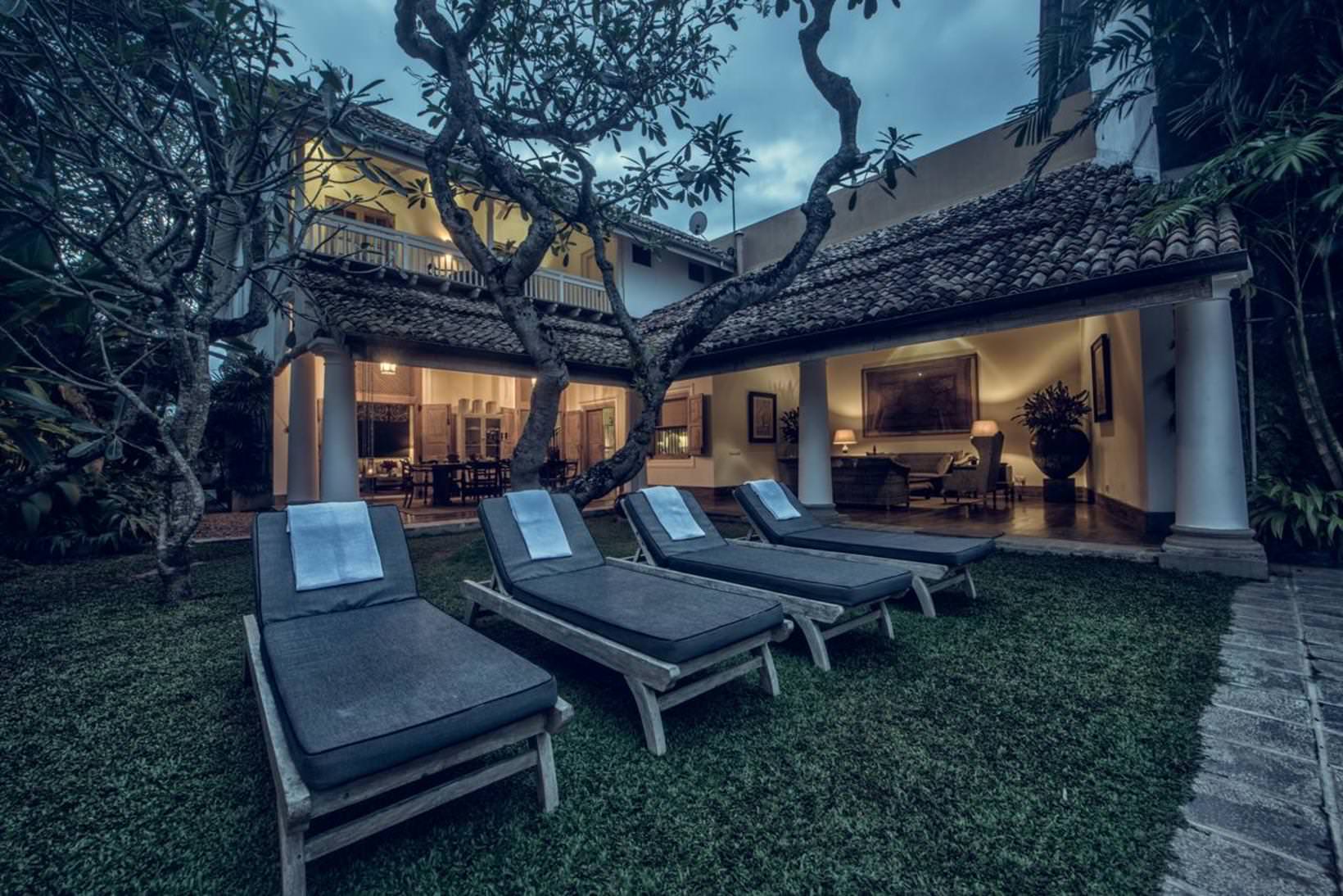
Every January, the walled streets of Galle Fort become a gathering point for some of the world's most interesting literary and intellectual voices. The Galle Literary Festival draws novelists, poets, journalists, historians, and cultural thinkers from dozens of countries to one of South Asia's best-preserved colonial settings — a combination that is difficult to replicate anywhere else in the region.
What is the Galle Literary Festival?
Founded in the mid-2000s, the Galle Literary Festival (GLF) is Sri Lanka's flagship international literary event. It runs across several days in January and is hosted almost entirely within the boundaries of Galle Fort, a UNESCO World Heritage Site built by the Portuguese in 1588 and later expanded by the Dutch. Venues range from the fort's grand old buildings and courtyards to intimate garden spaces, giving the programme a relaxed, almost residential feel that larger literary festivals rarely achieve.
Sessions typically include author readings, book launches, long-form conversations, panel debates, and workshops. Topics span literary fiction, memoir, investigative journalism, politics, travel writing, food culture, and history. The mix is deliberately broad: the festival aims to be as much a forum for ideas as a celebration of books.
When does the Galle Literary Festival take place?
The festival is held annually in January, typically across four to five days. January is one of the most settled months on Sri Lanka's southern coast: the southwest monsoon has long passed, humidity is relatively low, and afternoon sea breezes keep temperatures comfortable for outdoor sessions and evening events. It is advisable to check the official GLF website each year for exact dates, as they can shift slightly between editions.
What kinds of events and sessions can I attend?
The programme is divided into ticketed headline sessions and free or low-cost fringe events. Flagship sessions — often featuring internationally recognised authors or public intellectuals — tend to sell out in advance, so early booking is recommended. Alongside the main programme, the festival hosts:
- Book launches and signing queues with attending authors
- Creative writing and journalism workshops, some targeted at local students
- Children's and young-adult programming
- Evening readings in candlelit fort venues
- Conversations on Sri Lankan history, culture, and identity featuring local writers and academics
- Food and music events woven into the cultural calendar
The fringe programme — open readings, pop-up stalls, and informal gatherings — spills into the fort's cafes and lanes, meaning even visitors without tickets absorb a literary atmosphere throughout the day.
Who attends the Galle Literary Festival?
The audience is genuinely international. Regular attendees include avid readers from the UK, Australia, India, and continental Europe, many of whom build their January Sri Lanka itinerary around the festival dates. Local participation is strong too: Sri Lankan writers, academics, and students make up a significant share of the crowd, giving sessions a productive tension between global perspectives and local knowledge. The festival has also become an important platform for Sri Lankan authors writing in English, Sinhala, and Tamil to reach a wider readership.
Where exactly is Galle Fort, and how do I get there?
Galle Fort sits at the southwestern tip of Sri Lanka's Southern Province, roughly 120 km south of Colombo along the coastal expressway. By car or private transfer on the Southern Expressway, the journey from Colombo takes around 90 minutes to two hours depending on traffic. The Galle Railway Station — just outside the fort walls — is served by intercity trains from Colombo Fort Station, with journey times of around two to two and a half hours on the express service. Trains offer pleasant coastal views and are a popular choice for independent travellers.
Once inside the fort, all festival venues are within comfortable walking distance of one another. Parking within the fort is limited during peak festival days, so arriving by train or private transfer is a practical advantage.
What should I do before and after the festival?
The southern coast offers a rich itinerary for the days around your festival attendance. The Madu River Safari on the Madu Ganga — a network of mangrove-lined waterways about 30 km north of Galle — is a rewarding half-day excursion. The Sinharaja Forest Reserve, Sri Lanka's last substantial tract of lowland rainforest and a UNESCO World Heritage Site, is reachable in roughly two hours from Galle and suits a full-day guided walk. Closer to the fort, the beaches at Unawatuna, Mirissa, and Hikkaduwa are all within 30 km.
The Kosgoda Sea Turtle Conservation Project is another worthwhile stop on the coastal road north of Galle, particularly between January and April when hatchlings are regularly released. For those extending further east, Tangalle's quieter beaches offer a contrast to the busier areas immediately around Galle.
How do I get tickets for the Galle Literary Festival?
Tickets are sold through the official GLF website, which opens registration several months before the January dates. Individual session tickets, day passes, and full-festival passes are typically available. Some sessions — particularly headline appearances by well-known international authors — are offered in a priority ballot or sell out within hours of general release. Registering for the festival's mailing list is the most reliable way to be notified when booking opens.
Accommodation inside Galle Fort fills up quickly once festival dates are announced. Boutique guesthouses and heritage villas within the fort walls are the most sought-after options; alternatives in the broader Galle area and along the coast toward Unawatuna and Hikkaduwa are generally more available but require transport into the fort each day.
Is the Galle Literary Festival suitable for families?
The festival has developed a dedicated programme for younger readers and secondary-school students. Sessions are age-appropriate and often feature authors of children's and young-adult fiction. The fort itself is a safe, largely car-free environment for families during festival days, and the surrounding area — beaches, turtle hatcheries, boat trips — provides easy complementary activities for non-reading members of a group.
Nearby places
14 places within about 25 km, nearest first.
- Mahamodara beachunder 1 km
- Galle Harbourunder 1 km
- Middle Rampartunder 1 km
- Buddhist temple Galle Fortunder 1 km
- Galle Dutch Fortunder 1 km
- Galle International Cricket Stadiumunder 1 km
- Shipwreck Divingunder 1 km
- National Maritime Museum Galleunder 1 km
- Galle Marvels (Galle Titans)under 1 km
- Athapattu Walawwaunder 1 km
- St Marys Cathedral Galleunder 1 km
- Galle City Tourunder 1 km
- Galle Railway Stationunder 1 km
- Galle Fruit Marketunder 1 km
Related reading
3 pages on closely related subjects.