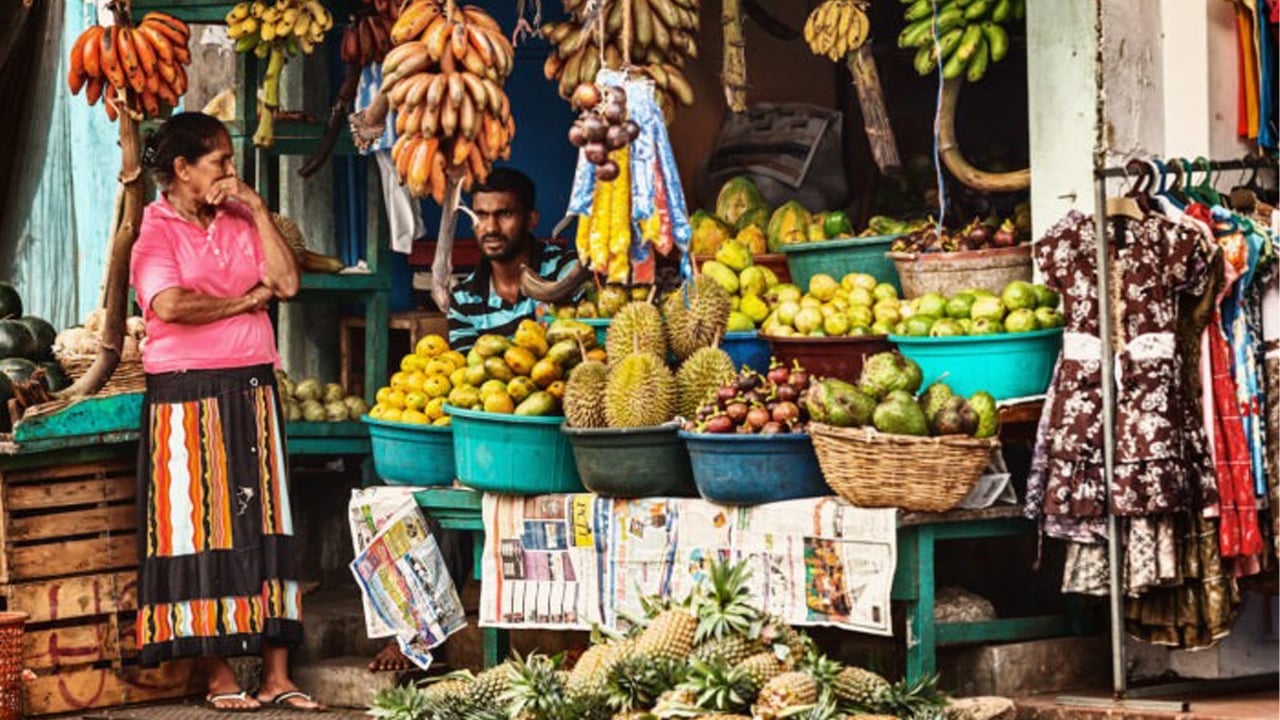
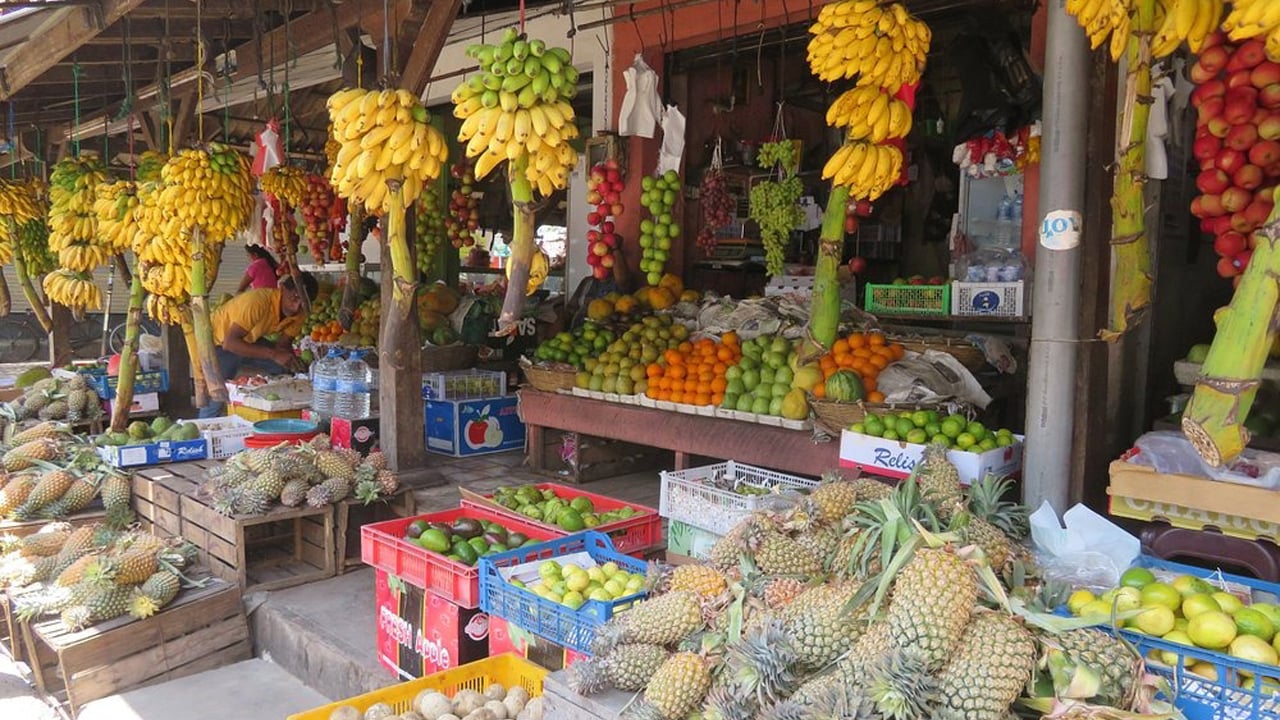

The Galle Fruit Market — locally referred to as the Old Dutch Market — sits inside a colonial-era building just outside the ramparts of Galle Fort. It is one of the oldest functioning markets in southern Sri Lanka, drawing a steady mix of local residents doing their daily shopping and visitors who want to see the city beyond its well-photographed walls. The building itself carries quiet architectural interest: thick-walled, high-ceilinged, and cooled by natural ventilation in a way that feels designed for a tropical climate, because it was.
What can you buy at the Galle Fruit Market?
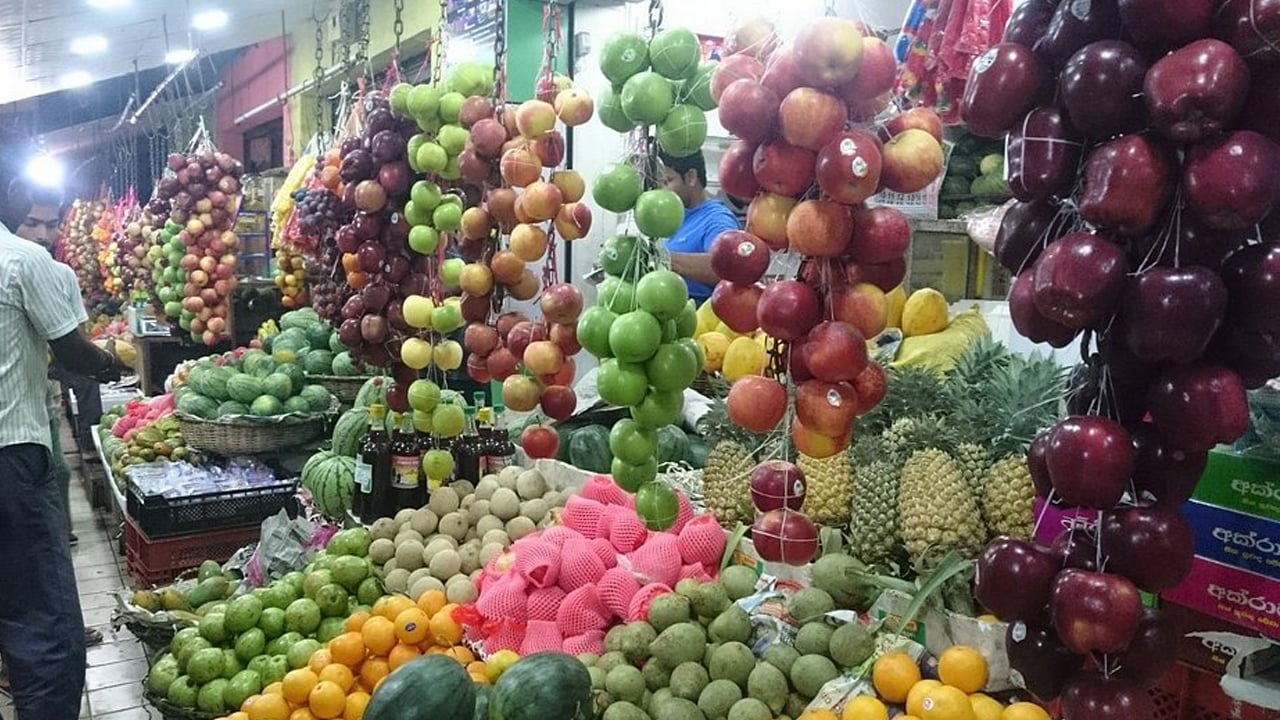
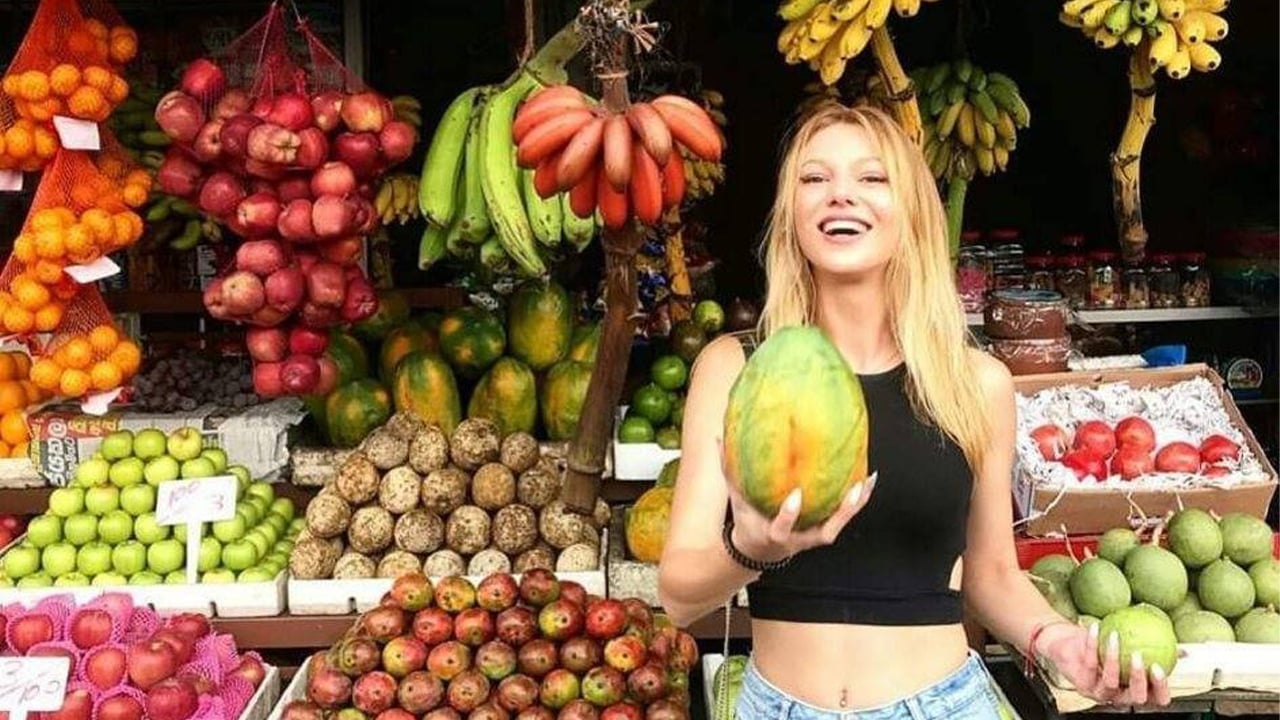
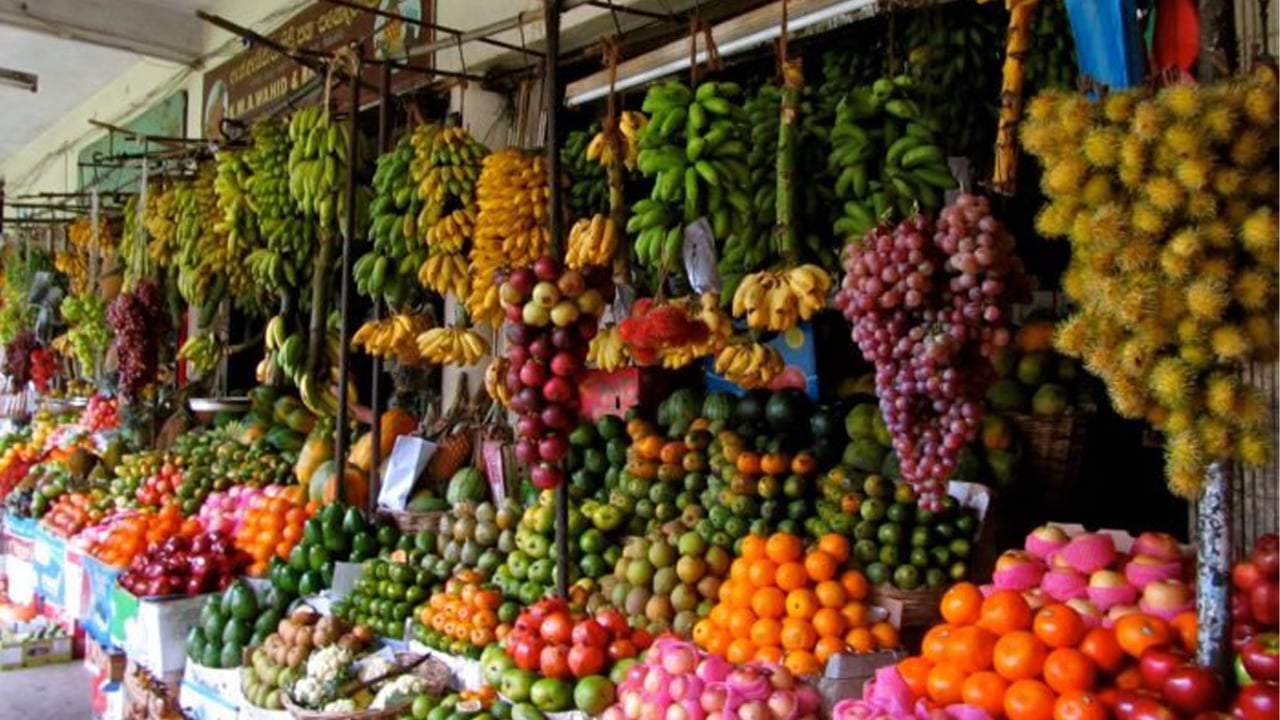
The market's stalls lean heavily toward fresh tropical produce. Familiar fruits — mangoes, pineapples, papayas, and bananas in several varieties — occupy most of the front displays, while the interior rewards slower browsing. Look further in and you are likely to find jackfruit sold in ready-cut segments, mangosteen during its season, rambutan piled in crimson heaps, and the rough-skinned wood-apple that Sinhalese families use to make a thick, tangy drink. Durian appears occasionally, typically brought up from the deep south.
Vegetables, dried spices, and coconut products share the space alongside the fruit. Ceylon black pepper, dried chilies, and local jaggery are common finds. Vendors selling king coconuts (thambili) operate near the entrance, offering a practical, affordable drink while you browse.
How does shopping at the market actually work?
Pricing at the Galle Fruit Market follows the rhythm of a traditional Sri Lankan produce market rather than a tourist emporium. Displayed prices, where they exist, are a starting point. Polite bargaining is standard practice, particularly for larger quantities, though vendors are not aggressive and a simple respectful exchange is usually enough to reach a fair figure. Many stalls will offer a small taste of whatever is in season — this is genuine hospitality rather than a sales technique, and it is worth accepting.
Bring small-denomination rupee notes. Card readers are rare, and having exact change or close to it makes transactions smoother for both parties. A reusable bag is useful; most vendors supply thin plastic bags, but the market's narrow lanes fill quickly in the morning and carrying your purchases in something sturdier helps.
When is the best time to visit the Galle Fruit Market?
Early morning — roughly from opening until around 9 a.m. — is when the selection is at its widest and the produce freshest. This is also when the market is most alive with local vendors restocking and families completing their weekly shop before the heat builds. If your priority is atmosphere and interaction rather than getting first pick of the fruit, mid-morning on a weekday is quieter and more comfortable for unhurried browsing. The market operates every day of the week.
Where is the Galle Fruit Market and how do I get there?
The market is located in central Galle, within walking distance of the Galle Fort main gate. The fort's Clock Tower serves as a useful landmark: the market is a short walk north of it, on the town side of the ramparts. If you are arriving from outside Galle, tuk-tuks from the main bus stand reach the market in a few minutes. Parking for private vehicles is limited in the immediate area, so being dropped off and collected is a practical approach.
Most visitors combine the market with a Galle City Tour, which typically includes the fort, the Dutch Reformed Church, and the National Museum. The market fits naturally at the beginning of such a route, before the day's heat peaks.
What is the historical background of the Old Dutch Market?
Galle's commercial identity was shaped decisively by the Dutch East India Company (VOC), which controlled the port from the mid-seventeenth century until the British takeover in 1796. The VOC developed the fortified town as a hub for the spice trade, and the market building reflects that era's approach to civic infrastructure: functional, solid, and built to last. The British retained much of the Dutch urban fabric after taking possession, and the building continued operating as a marketplace through successive administrations. Today it remains one of the more tangible connections to the pre-British commercial history of the south coast.
What else is near the Galle Fruit Market?
The immediate neighbourhood around the market is part of Galle's working town, distinct from the curated atmosphere inside the fort. Hardware shops, textile merchants, and small restaurants serving rice-and-curry lunches share the streets. For visitors who want to see Sri Lanka's coastal ecology beyond the city, the Madu River Safari operates from Balapitiya, roughly an hour's drive north along the coast road.
Closer to hand, the Midigama Fruit Farm offers a more structured introduction to tropical agriculture for those interested in seeing where the produce originates before it reaches the market stalls. Midigama lies roughly 15 kilometres east of Galle along the coastal highway.
Tips for first-time visitors
- Arrive before 9 a.m. for the best selection and coolest temperatures.
- Carry small-denomination rupee notes; card payments are not reliably available.
- Accept fruit samples when offered — it is customary and the vendors expect nothing in return beyond a genuine reaction.
- Photography is generally welcomed, but ask before pointing a camera directly at vendors at close range.
- Combine the visit with the fort to make the most of a morning in Galle.
- Exotic fruits like mangosteen and rambutan are highly seasonal — availability peaks roughly between May and August, though this varies by year.
Nearby places
11 places within about 25 km, nearest first.
- Galle City Tourunder 1 km
- Galle Railway Stationunder 1 km
- St Marys Cathedral Galleunder 1 km
- Athapattu Walawwaunder 1 km
- Yatagala Raja Maha Viharayaunder 1 km
- butterfly Bridge Groundsunder 1 km
- Galle Literary Festivalunder 1 km
- Middle Rampartunder 1 km
- Weddagalaunder 1 km
- Richmond Hill Railway Station1 km
- Katugoda Railway Station1 km
Related reading
4 pages on closely related subjects.