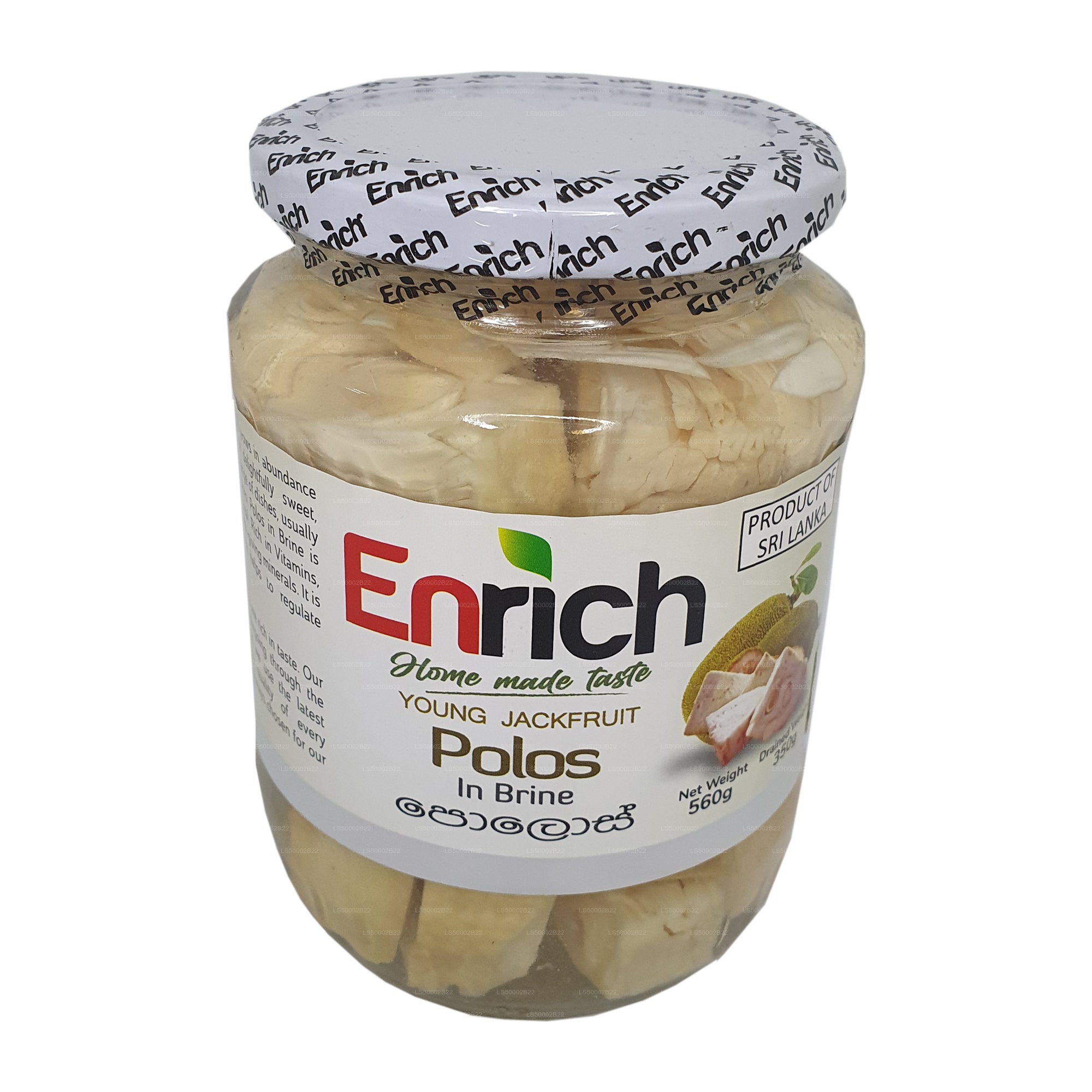
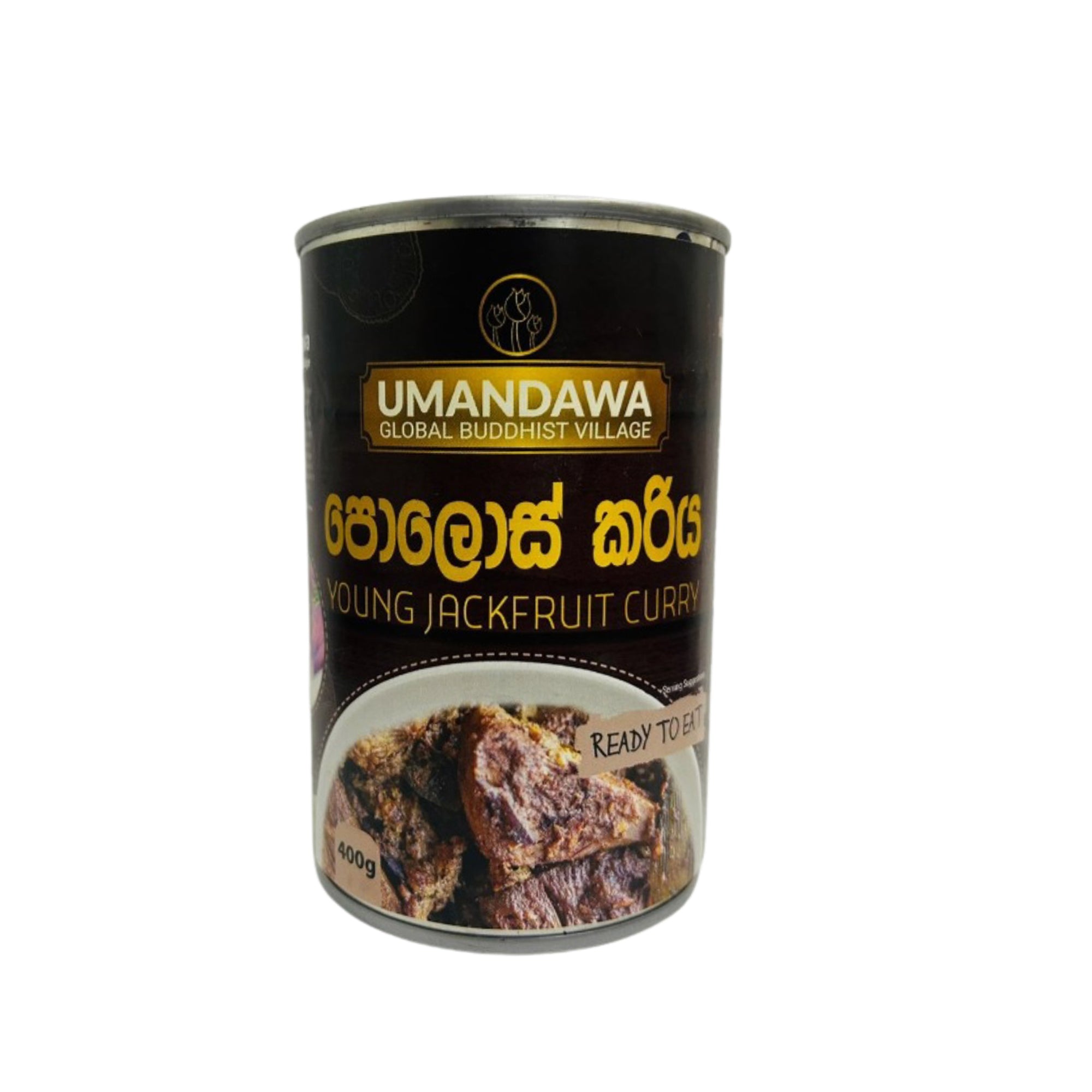
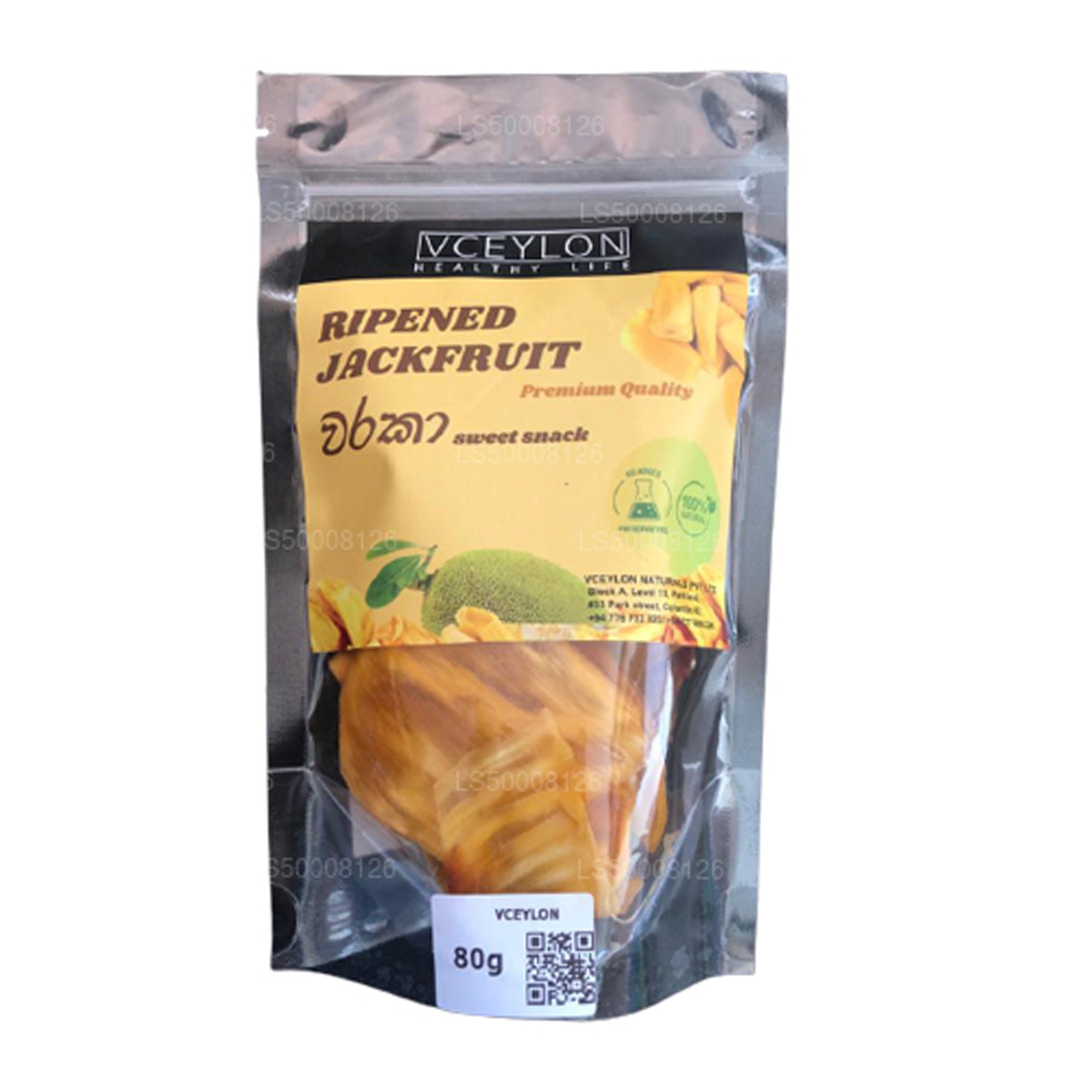
Jackfruit (Artocarpus heterophyllus) is one of the most recognisable trees in the Sri Lankan landscape. Whether you encounter it as a sprawling giant shading a village road, or as the centrepiece of a village curry, this tree has been woven into Sri Lankan daily life for centuries. It holds the distinction of producing the largest fruit borne by any tree species on Earth — a fact that tends to surprise visitors encountering one for the first time.
What exactly is jackfruit?
Jackfruit belongs to the Moraceae family, which also includes figs, mulberries, and breadfruit. Its closest wild relatives originate in the region of the Western Ghats of southern India, though the tree was likely first cultivated by Austronesian peoples in Java or the Malay Peninsula. From those origins, it spread across South and Southeast Asia and eventually reached as far as the Philippines, Indonesia, Malaysia, and northern Australia.
Today it is the national fruit of Bangladesh and the state fruit of Kerala, India — a measure of how deeply embedded it has become in the region's food culture. In Sri Lanka, the tree is ubiquitous across the wet and intermediate zones, thriving in tropical lowland conditions from sea level up to around 1,500 metres.
How big does a jackfruit tree grow?
The jackfruit tree is an evergreen with a relatively short trunk and a dense, spreading canopy. It typically reaches 10 to 20 metres in height, with trunk diameters of 30 to 80 cm. The bark is reddish-brown and smooth; when cut or damaged, the trunk exudes a milky, sticky latex sap that is used in traditional woodworking as a natural adhesive.
Leaves are leathery, dark green, and oblong to ovate, measuring 20 to 40 cm in length. Young trees display irregularly lobed leaves; on mature trees the margins become smooth and rounded. Flowering occurs directly on the trunk and main branches — a growth pattern botanists call cauliflory — giving the tree its characteristic clustered-fruit appearance.
A mature tree produces around 200 fruits per year on average. Older, well-established trees can yield up to 500 fruits annually, making jackfruit one of the most productive food trees in the tropics.
What does jackfruit fruit look like?
Each jackfruit is technically a multiple fruit — a single structure formed from hundreds to thousands of fused individual flowers. The exterior is covered in blunt, conical spines and ranges from green (when unripe) to yellowish-brown (when ripe). A single fruit can weigh up to 55 kg, reach 90 cm in length, and measure 50 cm in diameter, though most market-sized fruits are considerably smaller.
Inside, the fruit contains fleshy arils — the edible segments — surrounding large seeds. The arils of a ripe fruit are golden-yellow, fragrant, and sweet. The seeds themselves are starchy and nutritious, and are widely eaten after boiling or roasting.
How is jackfruit used in Sri Lankan cooking?
Sri Lankan cuisine draws on every stage of the jackfruit's development, and very little of the fruit goes to waste.
- Polos (young green jackfruit): The unripe fruit, known locally as polos, is cut and cooked in spiced coconut-milk curries. Its dense, fibrous texture absorbs flavour well, and it is often compared to pulled pork by international food writers — a characteristic that has driven a global surge of interest in jackfruit as a plant-based meat substitute.
- Kos (ripe jackfruit): Ripe flesh is eaten fresh as a fruit, added to desserts, or fermented. Ripe jackfruit chips, dried slices, and jam are widely sold as snacks and souvenirs.
- Seeds (kos ata): The seeds are boiled, roasted, or ground into flour. They are high in protein and resistant starch, and are used in curries and snacks.
- Jackfruit wood: The heartwood is dense and termite-resistant, prized for furniture, drums, and Buddhist temple fixtures across the island.
If you visit a working fruit farm like Midigama Fruit Farm, you can see jackfruit trees at different stages of fruiting alongside other tropical species.
What varieties of jackfruit grow in Sri Lanka?
Sri Lanka has developed and cultivated a range of jackfruit selections over generations, and horticultural institutions have more recently introduced improved grafted varieties that fruit earlier and produce more reliably than seedling trees.
- Waraka: A traditional Sri Lankan variety with firm, chewy arils and a strong aroma. Preferred by many locals for eating fresh.
- Vela: Softer, more watery arils; often used in cooking rather than eaten out of hand.
- Hirosa: A popular grafted variety selected for high yield and firm flesh.
- Mandoor: Another grafted cultivar known for reliable fruiting and moderate fruit size.
- Malaysian Seedless: A specialty variety in which the seeds are vestigial or absent, maximising edible flesh per fruit.
- Thai Red: An introduced variety with reddish arils and a notably sweet flavour profile.
What are the nutritional and health properties of jackfruit?
Ripe jackfruit arils provide natural sugars, dietary fibre, vitamin C, potassium, and B-group vitamins. The seeds are particularly rich in protein and complex carbohydrates. Unripe jackfruit is low in calories and high in fibre, which is one reason it works well as a plant-based meat substitute — it is filling without being calorie-dense.
In Ayurvedic and traditional Sri Lankan medicine, various parts of the jackfruit tree — including the leaves, latex, and bark — have been used for their reported anti-inflammatory and antidiabetic properties. Jackfruit leaf tea has gained attention in wellness circles for its potential to support blood sugar regulation, though formal clinical evidence remains limited. Like Ceylon Green Tea, it is positioned in the Sri Lankan health-food export market as a functional beverage.
Why has jackfruit become globally popular?
International interest in jackfruit grew sharply in the 2010s as plant-based eating moved into the mainstream. Young jackfruit, canned or frozen, became a go-to ingredient for vegan pulled-pork substitutes, tacos, and sandwiches. Sri Lanka, India, and Thailand are among the leading exporters of canned and processed jackfruit products to North America, Europe, and Australia.
This export boom has had a tangible effect on Sri Lankan agriculture: smallholder farmers who once considered jackfruit a subsistence crop now find commercial buyers for both their fresh and processed fruit. Products available internationally range from brine-packed young jackfruit and jackfruit curry ready-meals to dehydrated slices, jackfruit powder, and jackfruit-seed snacks.
Where can I see or buy jackfruit in Sri Lanka?
Jackfruit trees grow throughout Sri Lanka's wet and intermediate zones, and you are likely to spot them in village gardens, along roadsides, and within the grounds of rural guesthouses. Fresh jackfruit and jackfruit curries appear on menus across the country, from roadside eateries to boutique hotels.
Fresh polos curry is a staple at village lunch spreads, and ripe jackfruit pieces are sold by weight at most town markets between roughly February and August, which represents the main fruiting season, though the precise timing varies by elevation and region. Processed jackfruit products — canned, dried, or jarred — are available at supermarkets in Colombo and at artisan food stores throughout the island.
Is jackfruit related to other Sri Lankan fruit trees?
Jackfruit shares the Moraceae family with breadfruit (Artocarpus altilis), which is also cultivated in Sri Lanka. It is more distantly related to the fig. However, Sri Lanka's tropical gardens typically contain many unrelated but equally prolific fruit trees: coconut is perhaps the most economically important, while mango, rambutan, durian, and wood apple all thrive in similar conditions. The ecological diversity of Sri Lankan home gardens — where jackfruit often forms the uppermost canopy layer — reflects centuries of polyculture farming practice.
Related reading
2 pages on closely related subjects.