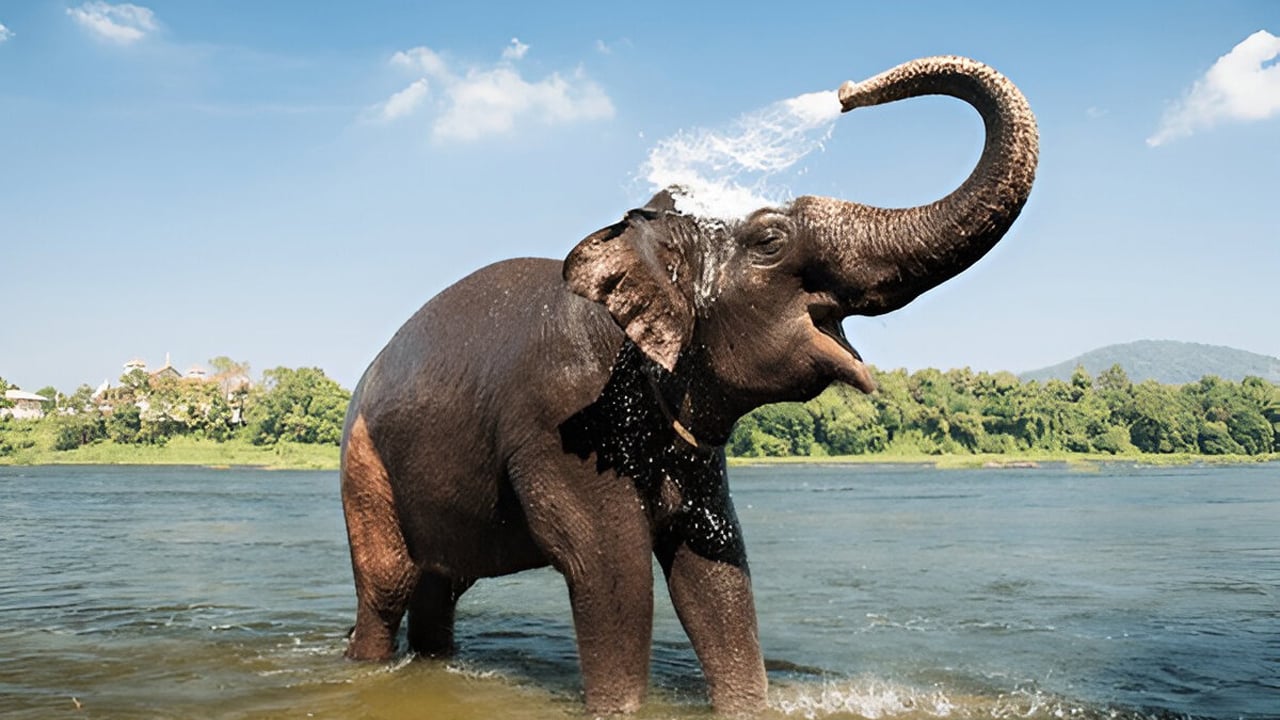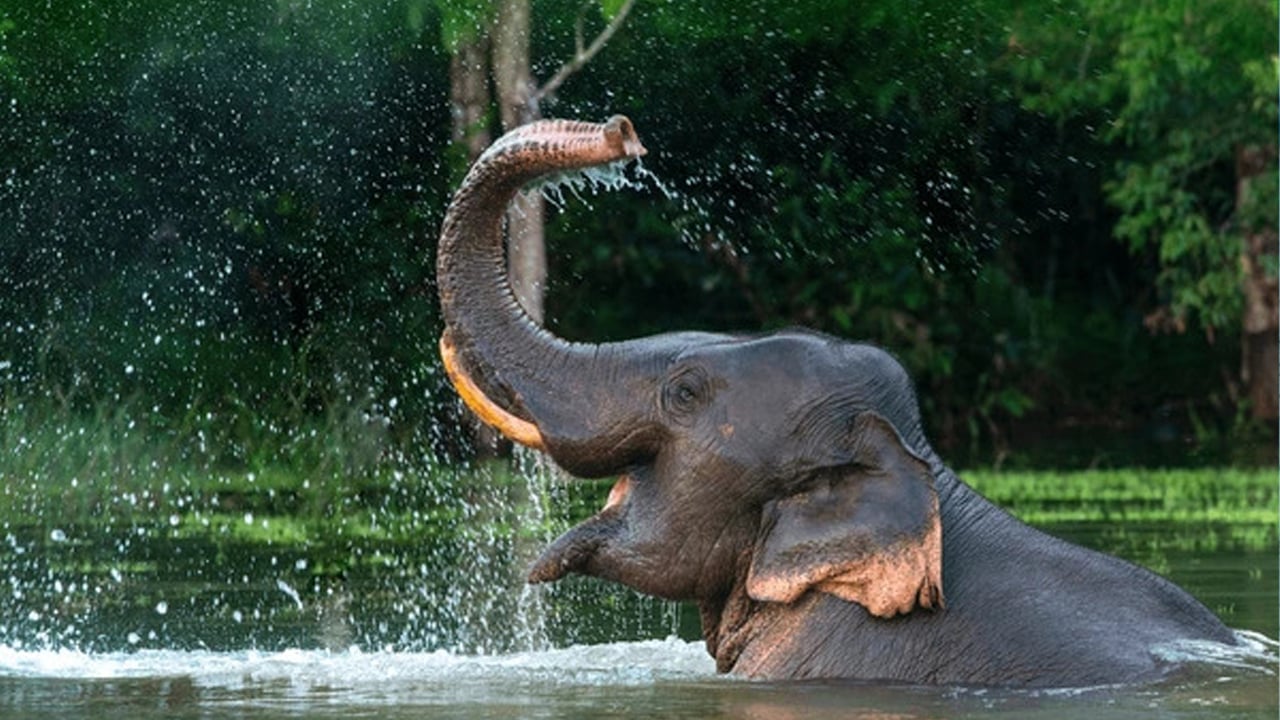

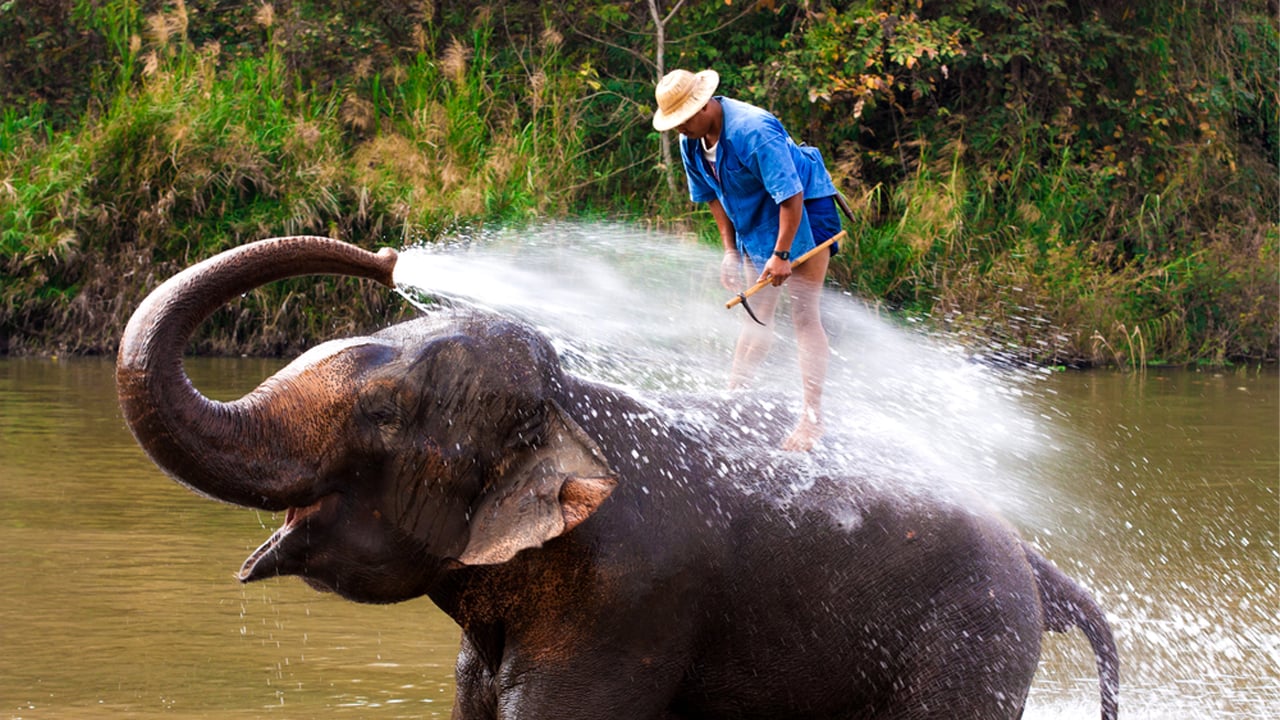
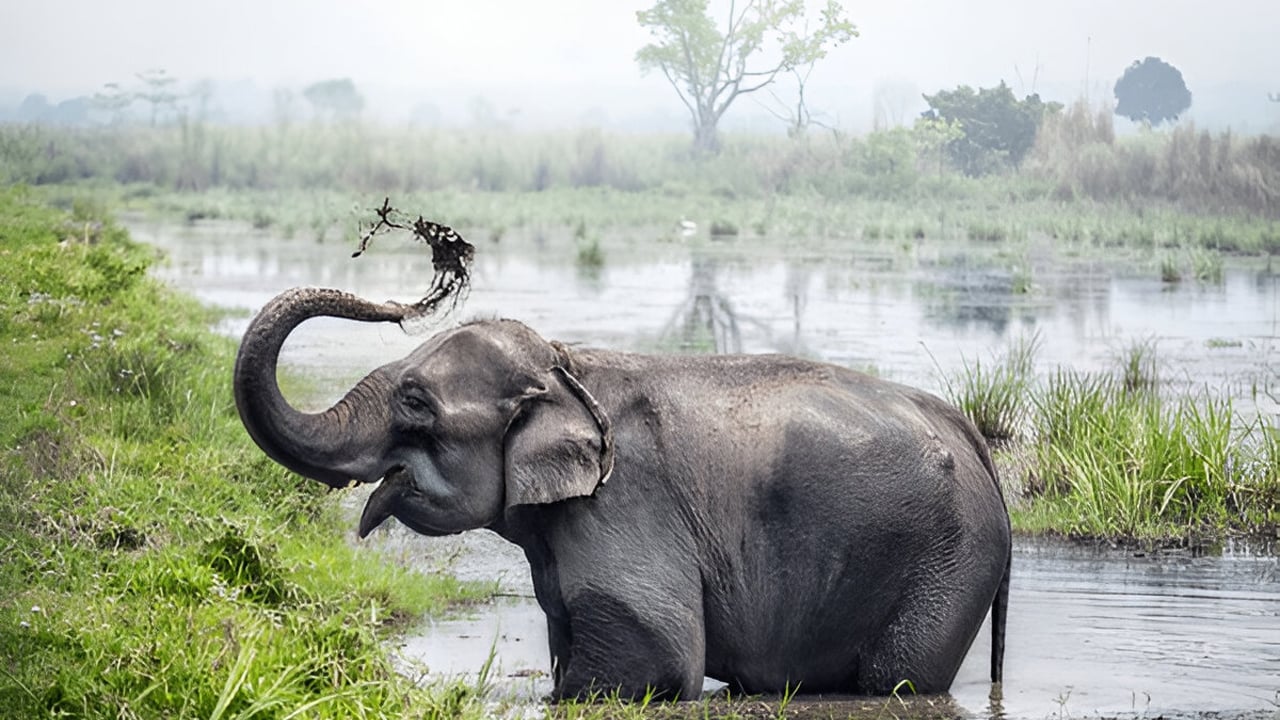

Few wildlife encounters in Sri Lanka are as quietly moving as watching a herd of elephants wade into a river at dawn, their mahouts guiding them through the shallows while birds scatter from the bank. Elephant bathing is woven into the daily care routine of captive elephants across the island, and for visitors it offers a rare chance to observe — and in some places, respectfully assist — in the welfare of one of Asia's most culturally significant animals.
Where can I watch elephant bathing in Sri Lanka?
Several established sanctuaries and conservation centres host regular bathing sessions, each operating under a different model of care.
- Pinnawala Elephant Orphanage (Kegalle District): One of the oldest elephant care facilities in the world, Pinnawala shelters orphaned and injured elephants rescued from the wild. Twice-daily bathing sessions take place in the Maha Oya River and draw significant visitor numbers. The facility is government-managed and focuses on long-term care rather than tourism entertainment.
- Elephant Transit Home (Udawalawe): Run by the Department of Wildlife Conservation, this centre rehabilitates orphaned calves found near Udawalawe National Park with the goal of releasing them back into the wild. Feeding sessions are open to visitors at set hours; bathing is part of the care routine rather than a staged show.
- Private ethical sanctuaries: A growing number of smaller, privately run sanctuaries — particularly around Habarana, Sigiriya, and the Kandy hinterland — offer more intimate experiences, sometimes including supervised interaction during bathing under the guidance of trained mahouts.
When choosing a venue, look for operations that allow elephants to move freely between water and land, keep group sizes small, and do not use hooks or chains during the session.
What happens during an elephant bathing session?
A typical session begins with mahouts leading their elephants to a river, lake, or purpose-built pool in the cooler hours of the morning or early afternoon. The animals enter the water of their own accord and are scrubbed with natural brushes to remove dirt and parasites from skin folds — an important hygiene task that elephants in the wild would perform by rolling in mud or using their trunks to spray water.
The mahout maintains a quiet, steady presence throughout, communicating through voice commands and gentle physical cues built up over years of relationship. Calves tend to be more exuberant in the water; older elephants are generally calmer and more methodical. Sessions typically last between 30 and 60 minutes, after which the elephants are guided back to shade and given fodder.
At some sanctuaries, visitors can stand at the water's edge or in the shallows and assist with scrubbing — always under direct mahout supervision and in ways that the elephant clearly tolerates. Responsible operators will brief you beforehand on body language to watch for and how to behave around the animals.
Is elephant bathing ethical and safe for visitors?
This is the most important question to ask before booking any elephant experience in Sri Lanka. Not all facilities meet the same welfare standards, and the difference matters both for the elephants and for the quality of your experience.
Positive indicators of an ethical operation include:
- Elephants choose to enter the water rather than being prodded
- No riding of elephants during or after the bathing session
- Mahouts trained in positive reinforcement rather than aversive methods
- Clear limits on visitor numbers and interaction time
- Elephants have access to natural forage and adequate space outside session hours
If elephant riding is offered as part of the same package, that is often a signal to look more closely at the facility's welfare standards overall. Bathing experiences at sanctuaries focused purely on rescue and rehabilitation tend to have the strongest animal welfare records.
For visitors, bathing sessions carry minimal risk when protocols are followed. Elephants, particularly older bulls, can be unpredictable, so staying within designated areas and following mahout instructions precisely is essential.
When is the best time to see elephant bathing in Sri Lanka?
Bathing sessions are available year-round at established facilities, typically in the morning (around 8–10 am) and again in the early afternoon. Scheduling varies by centre, so confirming current session times directly before your visit is advisable.
In terms of climate, the dry season running roughly from December to April across much of Sri Lanka offers the most reliable weather for outdoor visits. River levels are lower during dry months, which can make for better viewing and easier photography. However, facilities in the wet zone — including Pinnawala — operate comfortably through the wetter months as well, with the surrounding landscape noticeably greener.
Visiting early in the morning has two advantages: cooler temperatures make the session more comfortable for both elephants and visitors, and crowds are generally lighter before tour buses arrive mid-morning.
How does elephant bathing support conservation in Sri Lanka?
Sri Lanka has one of the highest densities of Asian elephants in the world, with the wild population estimated at around 6,000 animals — but the species faces serious pressures from habitat loss and human-elephant conflict. Revenue from ethically managed visitor experiences at sanctuaries contributes directly to the cost of feeding, veterinary care, and facility maintenance for elephants that cannot safely be released.
Beyond the financial dimension, well-run bathing experiences play an educational role. Visitors who observe mahouts performing careful daily care tend to leave with a more nuanced understanding of elephant behaviour and welfare requirements than those who simply encounter elephants on a jeep safari. That understanding, carried home across dozens of countries, builds a constituency for elephant conservation that extends well beyond Sri Lanka's borders.
The Esala Perahera Festival in Kandy, where elaborately decorated elephants process through the city streets, illustrates the deep cultural connection between Sri Lankans and elephants — a relationship that goes back more than two thousand years and is central to why many Sri Lankans feel a personal responsibility for the species' future.
How do I get to Pinnawala or Udawalawe from Colombo?
Pinnawala lies roughly 90 km east of Colombo on the Kandy road, passing through Kegalle. By private car or taxi the drive takes around two hours. It can also be combined with a stop in Kandy as part of a longer circuit — the Kandy city tour pairs naturally with a morning visit to Pinnawala.
Udawalawe is approximately 165 km from Colombo, a journey of around three to four hours by road through Ratnapura. Most visitors combine the Elephant Transit Home with a wildlife drive inside Udawalawe National Park, which offers excellent year-round elephant sightings in the wild.
For either destination, a private driver arranged in advance is more practical than public bus connections, particularly if you are timing your arrival for a specific morning bathing session.
What should I bring to an elephant bathing experience?
- Lightweight clothes you do not mind getting wet or muddy — river banks are uneven and splashing is inevitable
- Secure, closed-toe footwear or sandals with a heel strap
- Sunscreen and a hat; riverside environments offer little shade
- A waterproof case or dry bag for your phone or camera
- Modest expectations around photography — prioritise the experience over the shot, and follow any no-flash guidance from the mahout
Related reading
12 pages on closely related subjects.