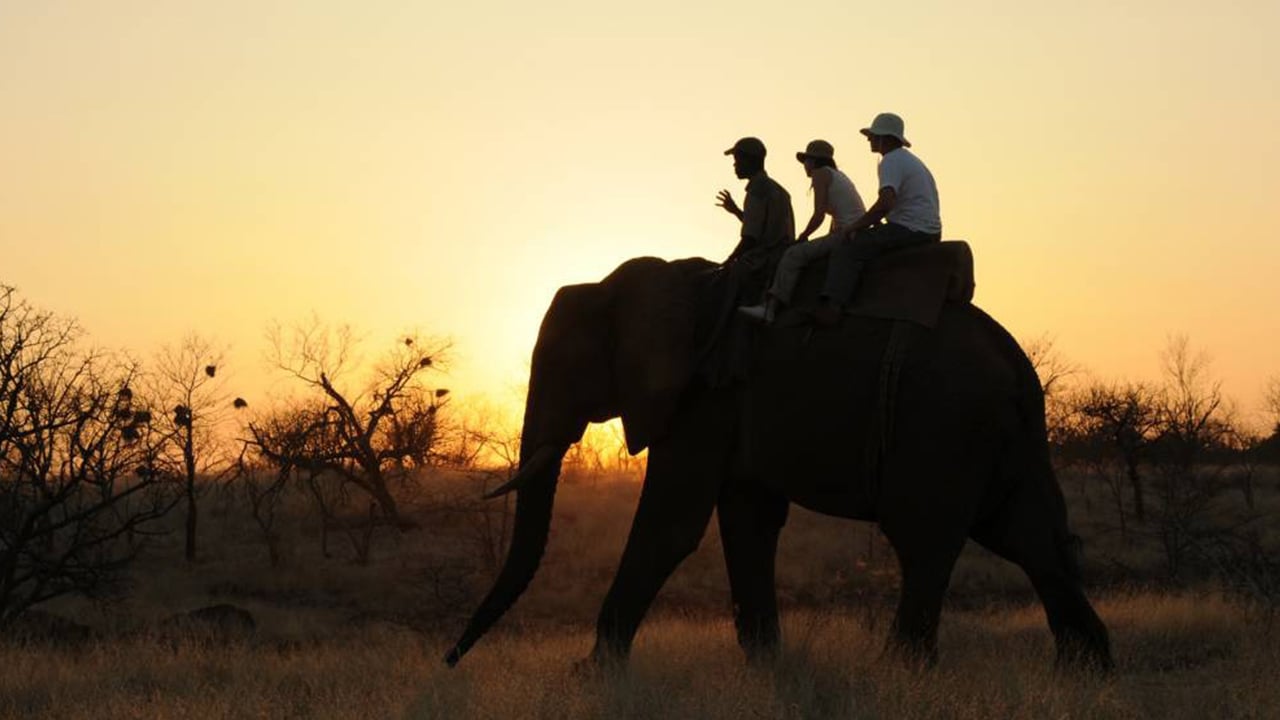
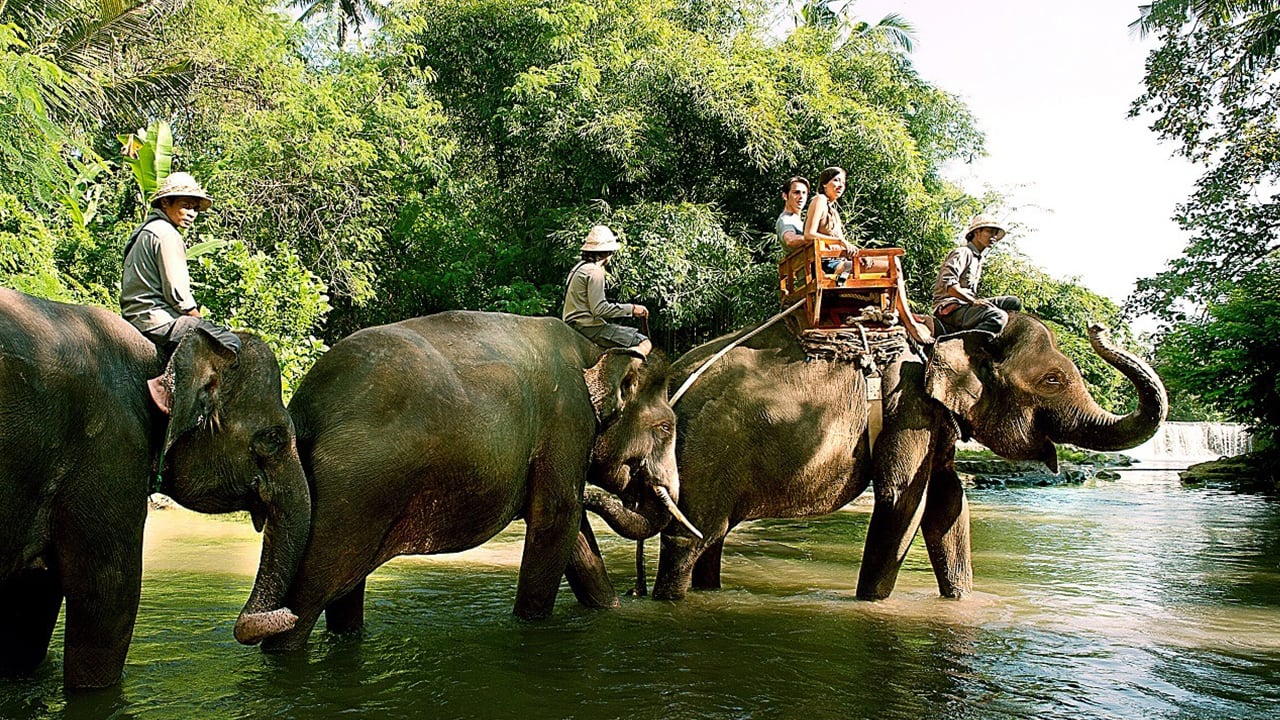

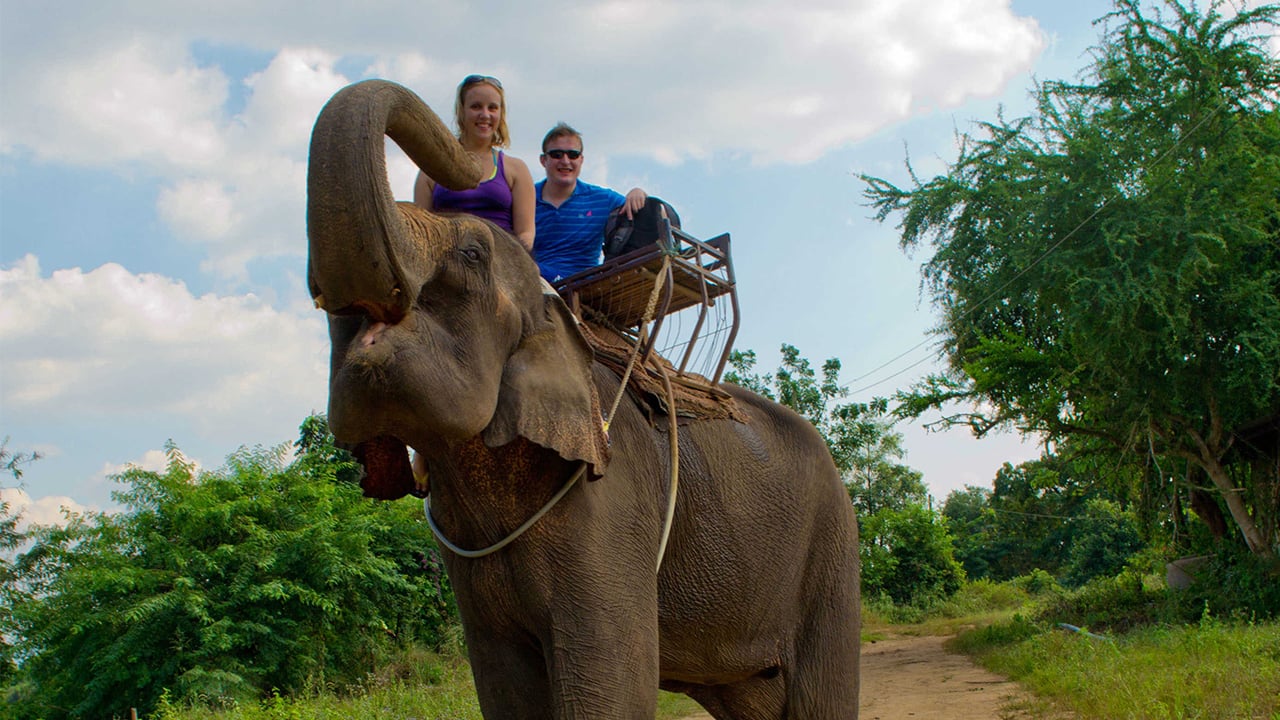
Few encounters in Sri Lanka leave a deeper impression than sitting atop an elephant as it moves through forest or grassland at a measured, unhurried pace. Elephant riding — or elephant-back safari — offers a vantage point that no vehicle or walking trail can replicate, and it connects visitors to a relationship between humans and elephants that stretches back thousands of years on this island.
That said, the welfare of elephants deserves serious consideration before you book. Responsible travellers are increasingly choosing operators who prioritise the physical and psychological health of their animals, and this guide will help you do exactly that.
What is an elephant-back safari in Sri Lanka?
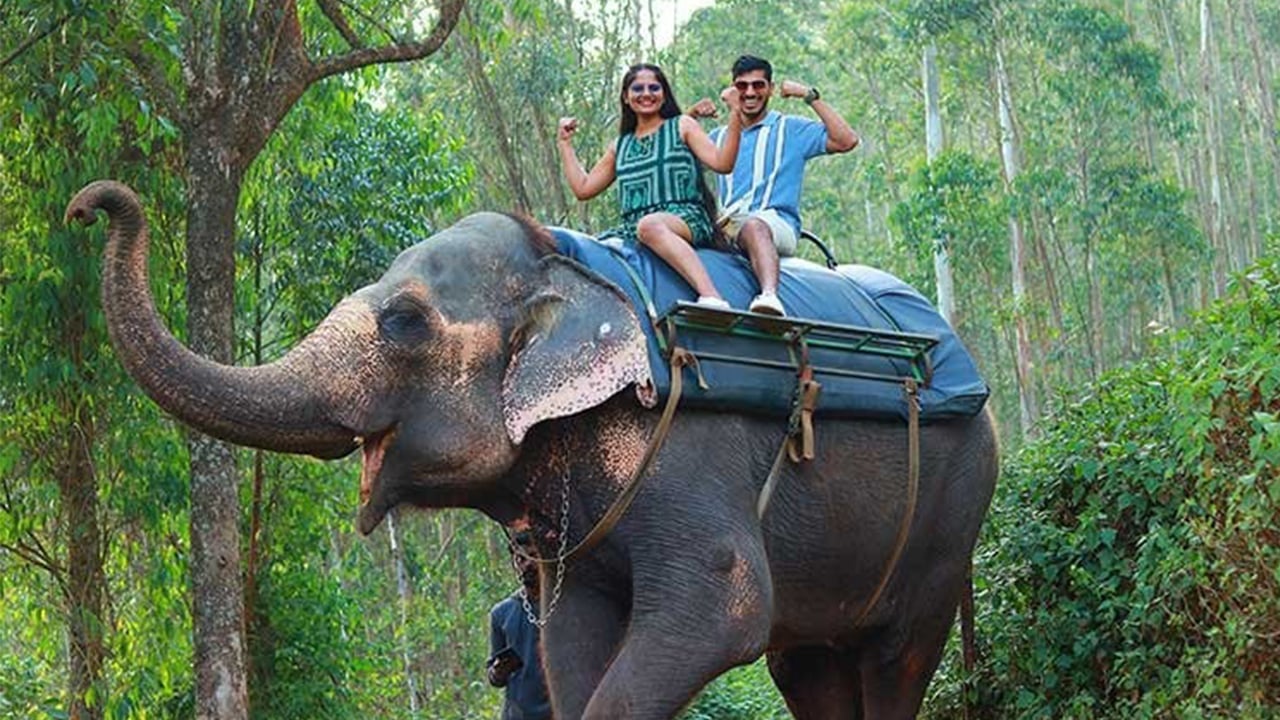
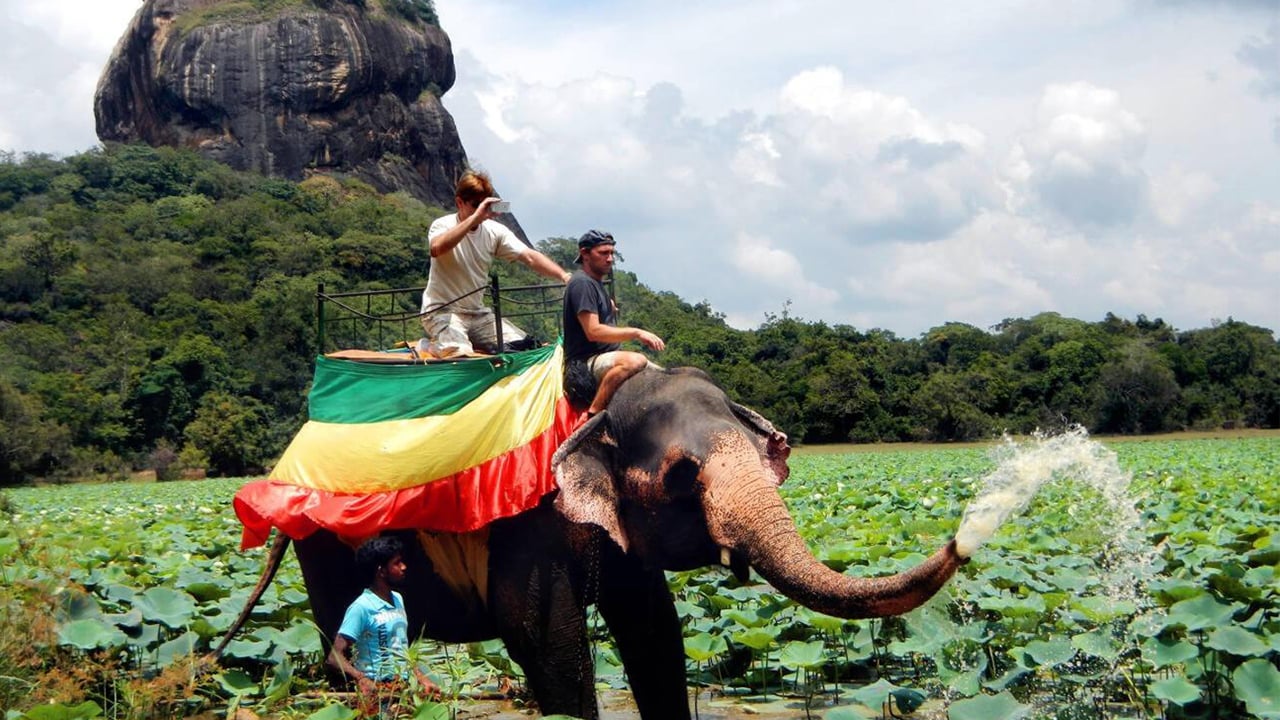
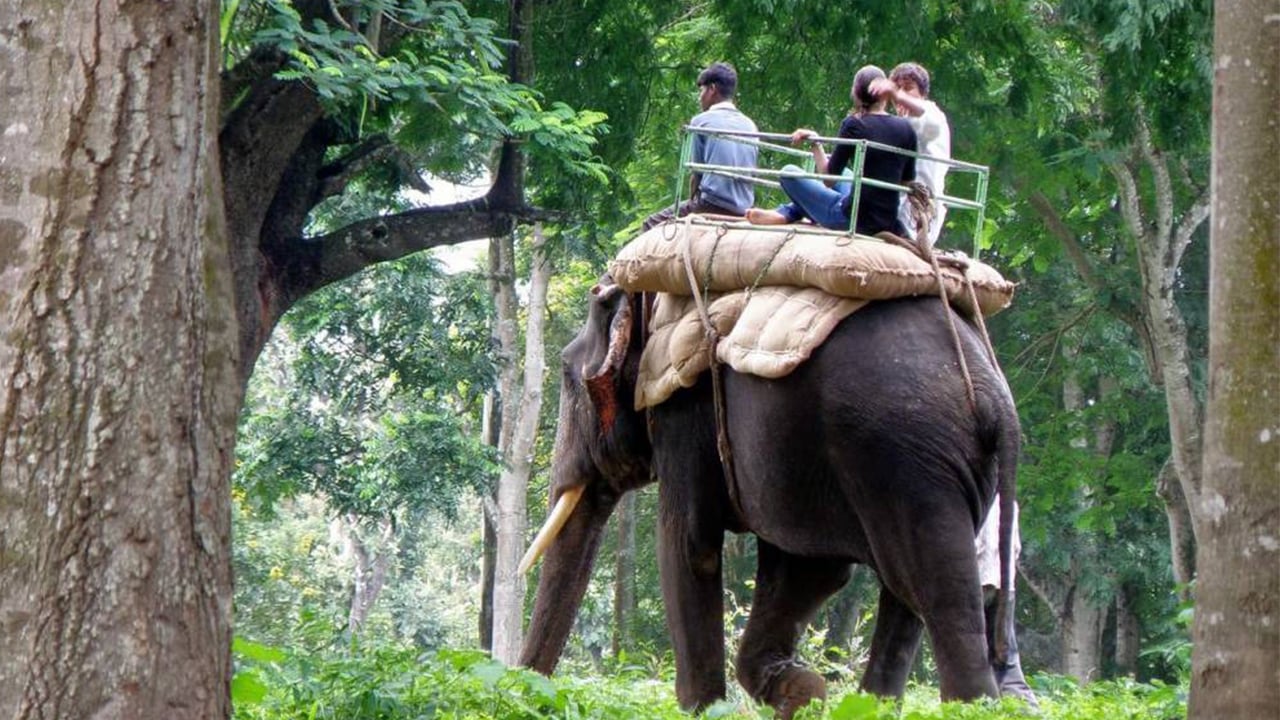
An elephant-back safari is a guided excursion conducted on trained, domesticated elephants — distinct from observing wild herds on a jeep safari. Riders typically sit in a howdah (a padded seat fitted to the elephant's back) or, at some operators, ride bareback with a mahout (handler). Routes pass through jungle tracks, along riverbanks, and across open scrubland, giving riders an elevated, wide-angle view of the landscape and whatever wildlife crosses their path.
Popular locations include Habarana and Sigiriya in the Cultural Triangle, and private facilities around Pinnawala near Kegalle. The Elephant Transit Home in Udawalawe offers a different experience — observing rescued orphan elephants being rehabilitated rather than riding — and is increasingly recommended as an ethical alternative by conservation bodies.
Where can you go elephant riding in Sri Lanka?
Several areas of Sri Lanka have established elephant-riding operations. Each has a different character:
- Habarana / Sigiriya area (Cultural Triangle): The most widely available destination for elephant-back rides. Forested trails wind through dry-zone scrub, and the proximity to ancient ruins at Polonnaruwa makes it easy to combine with a cultural day trip.
- Pinnawala (Sabaragamuwa Province): The government-run Pinnawala Elephant Orphanage holds one of the world's largest captive elephant herds, but it does not offer rides — visitors watch the elephants bathe in the Maha Oya river. Short rides are offered by some private elephant facilities in the surrounding area.
- Udawalawe area (Sabaragamuwa / Uva boundary): Better known for wild elephants than for riding. Udawalawe National Park hosts large resident herds, so a jeep safari here is a natural alternative to a riding experience.
- Boossa / Galle area (Southern Province): A smaller number of operators offer rides for visitors on the south coast, convenient if you are based in Unawatuna or Galle.
What should I look for in a responsible elephant riding operator?
Elephant welfare standards vary considerably across Sri Lanka. When evaluating an operator, ask these questions before you commit:
- Are the elephants registered? All captive elephants in Sri Lanka must be registered with the Department of Wildlife Conservation. A reputable operator can show documentation on request.
- How many rides does each elephant do per day? Welfare-focused operations limit daily working hours and ensure adequate rest, shade, and water.
- Is a bull hook (ankus) used? Many ethical operators train with positive reinforcement. Visible use of punishing tools during your visit is a warning sign.
- What is the mahout-to-elephant ratio? Each elephant should have a dedicated mahout who knows the animal's individual history and temperament.
- Can you observe the elephant before you ride? Watch for stereotypical behaviour (repetitive swaying or head-bobbing), which can indicate chronic stress.
If you decide elephant riding is not right for you, a tuk-tuk safari through the same scrub-forest terrain can still deliver an immersive wildlife experience with no animal welfare concerns.
When is the best time to go elephant riding in Sri Lanka?
Elephant-back safari operations run year-round, but the experience is most comfortable during the dry season. For the Cultural Triangle and Habarana area, the driest months are typically May through September and again around January and February. The southern and western regions are drier from December to April.
Riding during or just after the wet season means muddier trails, higher humidity, and the occasional mid-ride downpour — not necessarily a deal-breaker, but worth planning for. On the other hand, the landscape is lush and green, and forest wildlife tends to be more active.
If your aim is to witness large concentrations of wild elephants rather than riding, plan around the gatherings at Minneriya or Kaudulla national parks, which typically peak between July and October when water levels in the tank (reservoir) drop and elephants converge on the exposed grass.
How does elephant riding connect to Sri Lankan culture?
Elephants occupy a singular place in Sri Lankan life. They appear in royal chronicles dating back over 2,000 years, served in ancient armies, and carried sacred relics in royal processions. Today, the most celebrated expression of this relationship is the Esala Perahera Festival in Kandy, where richly caparisoned temple elephants process through the city in one of Asia's grandest religious pageants.
Domesticated elephants were historically used for timber hauling and ceremonial duties. That working tradition is what underpins the mahout craft — a skill passed across generations within certain families. When you interact with a mahout on an elephant-back tour, you are meeting the end of a very long cultural thread, which is itself part of what makes the experience meaningful.
What else can I do to experience elephants responsibly in Sri Lanka?
Riding is just one way to spend time with elephants. Several alternatives deserve equal attention:
- Wild elephant safaris: A jeep safari through Udawalawe National Park or Wilpattu National Park puts you among free-ranging herds with no captivity involved.
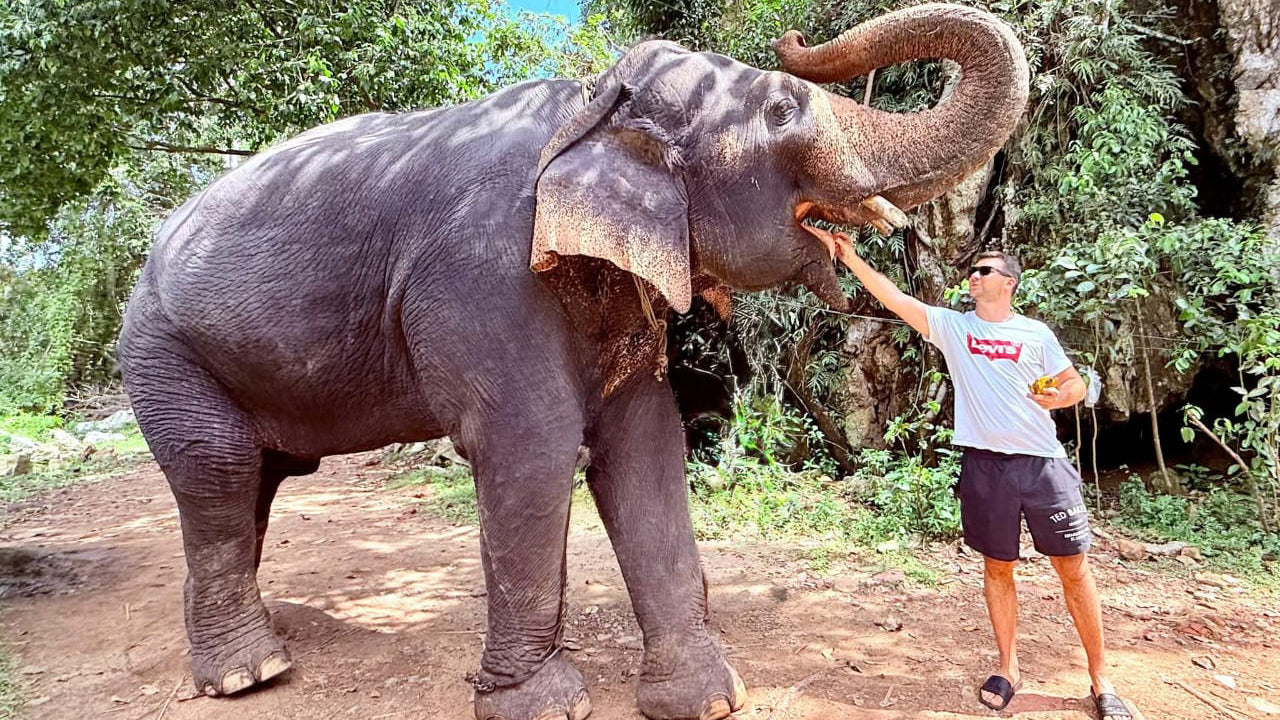
- Elephant Transit Home (Udawalawe): Run by the Department of Wildlife Conservation, this facility rehabilitates orphaned wild elephants for eventual release. Observation feeds are open to visitors at set times and provide a humbling, entirely passive encounter.
- Pinnawala observation: Watching the Pinnawala herd bathe in the river is a memorable experience that requires no riding at all.
- Hot-air balloon flights: A hot-air ballooning flight over the Cultural Triangle at dawn can reveal wild elephants moving across the landscape from a perspective that rivals anything an elephant's back can offer.
Practical tips before you go
| Detail | What to know |
|---|---|
| Clothing | Wear long trousers to avoid chafing on the howdah edge; closed shoes are recommended. |
| Sun exposure | Rides are fully exposed. Apply sunscreen and bring a hat — the howdah provides no shade. |
| Photography | A wide-angle lens captures both rider and landscape; telephoto is useful for wildlife spotted en route. |
| Duration | Standard rides run roughly 30–60 minutes; longer half-day excursions are available at some operators. |
| Fitness requirements | Mounting and dismounting involve climbing a short ladder or stepping from a raised platform. Most adults and older children can participate without difficulty. |
| Children | Age and weight minimums vary by operator; confirm before booking if travelling with young children. |
Elephant riding in Sri Lanka, approached with care and curiosity, can be a genuinely moving encounter with one of the animal kingdom's most intelligent creatures. The key is choosing a context — whether a riding programme, a wild safari, or a rehabilitation visit — that keeps the elephant's welfare at the centre of the experience.
Related reading
2 pages on closely related subjects.