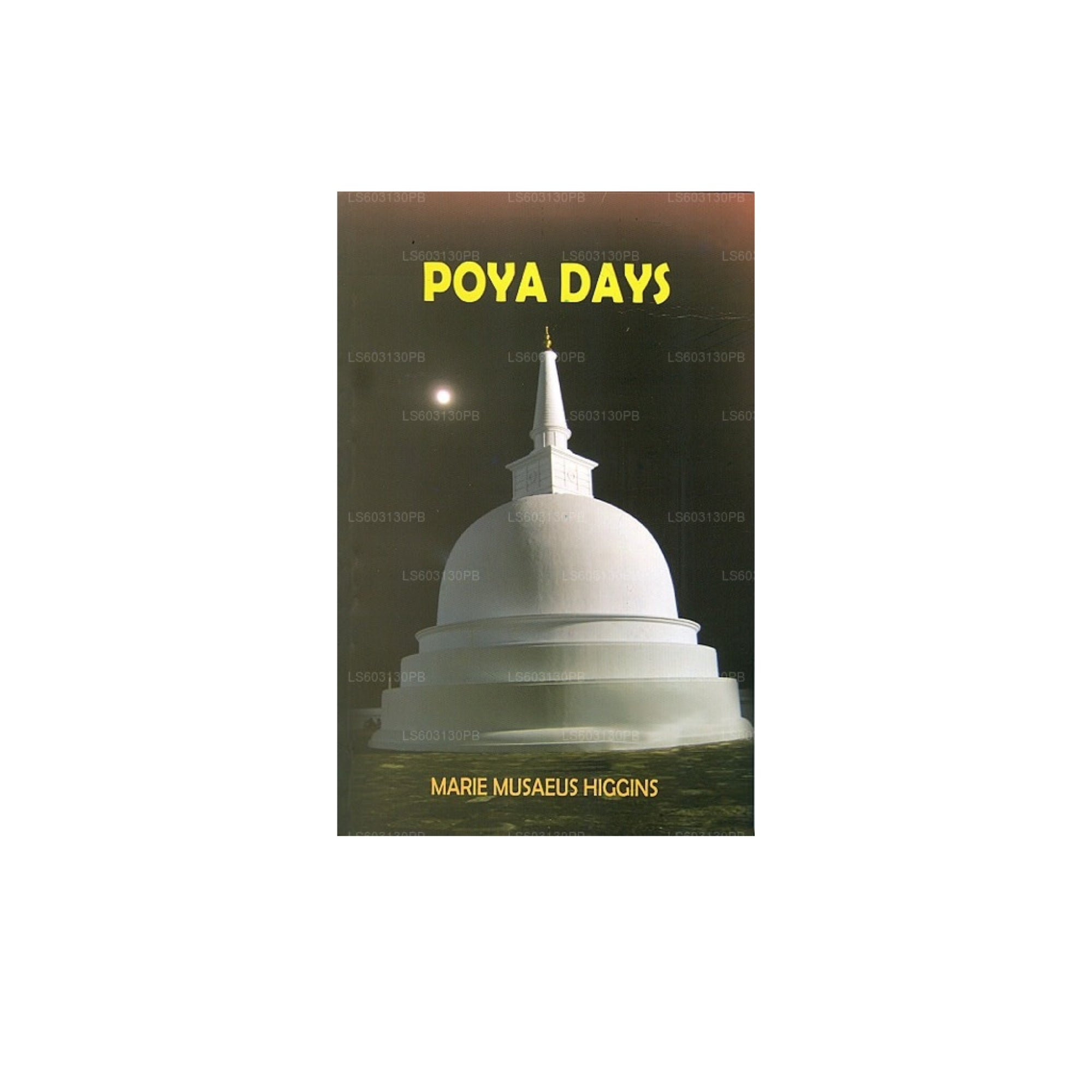
Bak Poya falls on the full moon of April each year and stands as one of the most historically significant dates in Sri Lanka's Buddhist calendar. It marks the second visit of the Buddha to the island, traditionally dated to the fifth year after his Supreme Enlightenment. The day is a national public holiday, observed with temple visits, meditation, and pilgrimages to sacred sites connected to this event.
What is the history behind Bak Poya?
According to the Mahavamsa — the ancient Pali chronicle that records the history of Sri Lanka — the Buddha traveled to Nagadipa, an island in the Jaffna lagoon, on a Bak full moon day. His purpose was not a conquest of territory but a resolution of conflict. Two Naga kings, Mahodara and his nephew Chulodara, had been drawn into a bitter dispute over a gem-studded throne called the Manipalaga. The throne had originally belonged to Chulodara's maternal grandfather and was given to his mother, but Mahodara contested ownership. The quarrel had escalated to the point where both factions were preparing for armed battle.
The Buddha intervened before swords were drawn. He addressed both parties and delivered Dhamma teachings that dissolved their enmity. The kings, moved by the resolution, offered the prized throne to the Buddha as an act of gratitude. He declined courteously. The Manipalaga was returned to the Naga kings and later enshrined within the Rajayathana stupa at Nagadeepa Rajamaha Viharaya, preserving the memory of the episode to this day.
Where is Nagadeepa Rajamaha Viharaya and why does it matter?
Nagadeepa Rajamaha Viharaya is one of the sixteen sacred sites — the Solosmasthana — associated with the Buddha's visits to Sri Lanka. The temple stands on Nainativu Island in the Palk Strait, accessible only by boat from the Kurikadduvan jetty near Point Pedro in the Northern Province. Pilgrims make the journey annually, particularly during Bak Poya, arriving by small motorboat or catamaran after crossing a stretch of shallow, calm waters.
The site draws both Buddhist and Hindu devotees; adjacent to the Buddhist temple is the Nainativu Nagapooshani Amman Kovil, a prominent Hindu shrine. The pairing of two active places of worship on a small island in the same lagoon reflects a pattern of religious coexistence that has long characterized Sri Lankan culture.
How is Bak Poya observed across Sri Lanka?
Bak Poya is observed with the same broad structure as other full moon poya days on the Sri Lankan calendar, though its character is shaped by the specific events it commemorates.
- Temple visits and Dhamma sermons: Devotees gather at local temples from the early morning, offer flowers and incense at shrines, and listen to sermons that recall the Buddha's peacemaking role at Nagadipa. The message of conflict resolution through Dhamma rather than force is a recurring theme in Bak Poya homilies.
- Observing Sil: Many Buddhists choose to observe the Eight or Ten Precepts (Sil) on this day, spending hours at the temple in meditation, chanting, and reflection rather than in ordinary household life.
- Pilgrimages to Nagadeepa: Thousands of pilgrims travel to Nainativu Island specifically for Bak Poya. The journey requires an overnight or early-morning departure to reach the northern jetties, making it a multi-day commitment for devotees from Colombo or the south.
- Dhamma school activities: Dhamma schools across the country typically hold special sessions during poya days, and Bak Poya is no exception. Children recite suttas, receive teachings on the Nagadipa story, and participate in merit-making activities.
- Almsgiving (Dana): Families invite monks to receive alms at home or donate food and necessities at temples. Dana on a poya day is considered particularly meritorious in Theravada Buddhist tradition.
How does Bak Poya fit into Sri Lanka's poya calendar?
Sri Lanka observes a full moon poya holiday every month of the year, each tied to a specific Buddhist event. Bak Poya typically follows Medin Poya (March), which commemorates the Buddha's first post-Enlightenment visit to his father, and precedes Vesak Poya (May), which marks the Buddha's birth, Enlightenment, and Parinirvana — the most widely observed Buddhist celebration globally.
| Poya | Approximate month | Key significance |
|---|---|---|
| Medin Poya | March | Buddha visits his father, King Suddhodana, after Enlightenment |
| Bak Poya | April | Buddha's second visit to Sri Lanka; peacekeeping at Nagadipa |
| Vesak Poya | May | Birth, Enlightenment, and Parinirvana of the Buddha |
April also coincides with the Sinhala and Tamil New Year period — Sinhala Avurudu is typically celebrated around 13–14 April — making the month one of the most culturally busy on the Sri Lankan calendar. Visitors arriving in April will find the country in a festive mood even before the specific poya observances begin.
What should travelers know about visiting Sri Lanka during Bak Poya?
As a national public holiday, Bak Poya brings a noticeable change to the rhythm of daily life. Alcohol sales are prohibited at shops, restaurants, and hotels on poya days — a restriction that applies island-wide. Many restaurants continue to serve meals, but guests staying at some smaller guesthouses may find alcohol unavailable regardless of prior arrangement.
Roads leading north toward Jaffna and Mannar can see heavier traffic as pilgrims head toward the Kurikadduvan jetty for the Nainativu crossing. If you are planning to travel in the Northern Province around Bak Poya, building extra time into your itinerary is sensible. Accommodation in Jaffna and surrounding areas tends to fill up among pilgrim groups, so advance booking is advisable.
For travelers in Kandy, the city's temples — particularly the Temple of the Tooth Relic (Sri Dalada Maligawa) — hold special puja ceremonies on every poya day. Attending an evening puja during Bak Poya offers a window into living Buddhist practice that few other travel experiences can match. The Kandy city tour from Lakpura can be timed to include temple visits on poya mornings when crowds are orderly and the atmosphere is reflective.
What is the deeper significance of the Nagadipa story?
Scholars of the Mahavamsa note that the Nagadipa episode carries a message that extends well beyond its immediate narrative. The quarrel between Mahodara and Chulodara over the Manipalaga throne is, at its core, a story about attachment and the suffering it generates. The Buddha's intervention succeeds not through political leverage or force, but through teaching — demonstrating, according to the chronicle, that conflict rooted in desire can be dissolved when the root of desire is clearly seen.
This reading gives Bak Poya a philosophical weight that complements its historical dimension. It is not simply a commemoration of a journey; it is an annual invitation to reflect on how disputes arise and what it takes to resolve them. For Sri Lankan Buddhists, this resonance has kept the poya day meaningful across many centuries.
The stupas of Sri Lanka, many of which enshrine objects connected to the Buddha's presence on the island, form a physical network of this memory. Nagadeepa Rajamaha Viharaya's Rajayathana stupa — housing the Manipalaga throne — is among the most directly linked to a specific Mahavamsa episode, and that specificity gives pilgrims a tangible connection to the story they travel to honor.