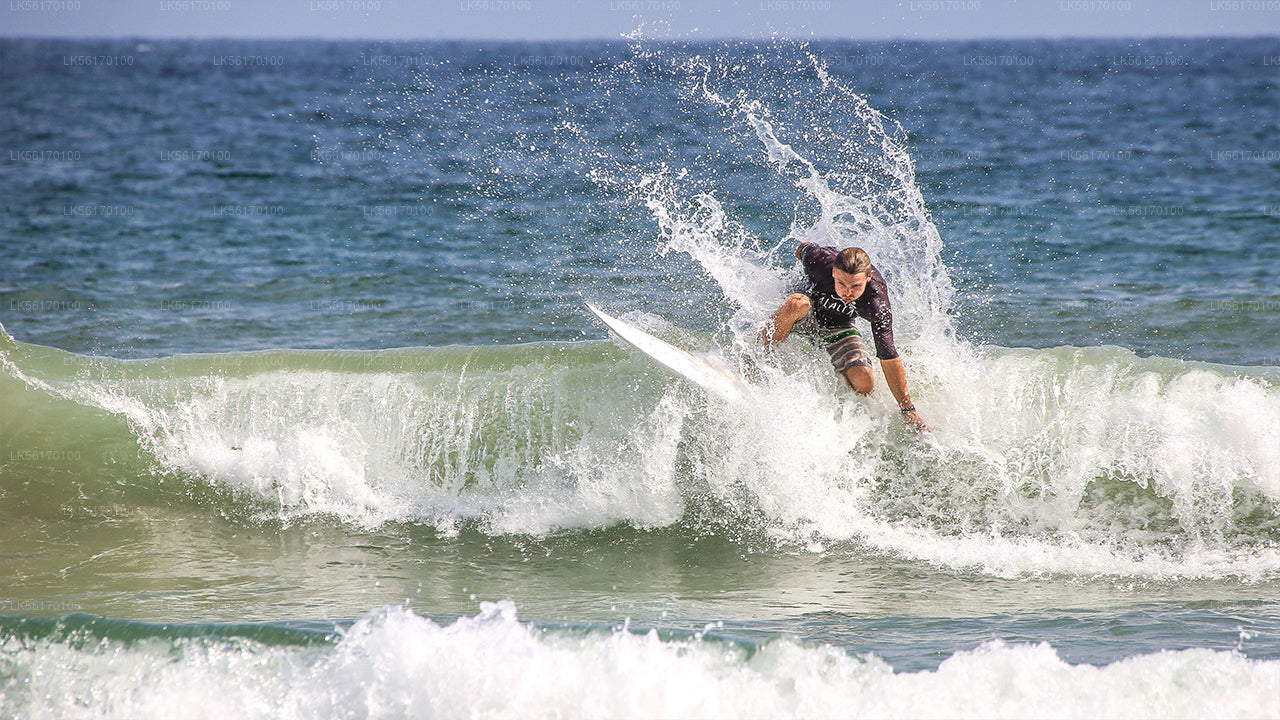


Arugam Bay — known to regulars simply as A-Bay — sits on Sri Lanka's southeastern coast and holds a well-earned reputation as the island's premier surf destination. From May through September, the Indian Ocean delivers consistent, powerful swells that wrap around the bay's natural headlands, producing the kind of long, peeling right-hand point breaks that keep surfers coming back year after year. What sets it apart from many Asian surf destinations is range: within a short tuk-tuk ride of the main strip, the coastline offers breaks suitable for complete beginners, confident intermediates, and experienced surfers chasing hollow, fast waves.
When is the best time to surf Arugam Bay?
The core surf season runs from May to September, when the southwest monsoon funnels swells around Sri Lanka's southern tip and up the eastern coast. June, July, and August typically produce the most consistent and powerful conditions — this is when Main Point fires reliably and the lineups fill with travelling surfers. May and September serve as shoulder months: swell is often present but lighter, crowds thin out, and accommodation rates tend to be lower.
Outside the season — October through April — the east coast sits under its own monsoon influence. The ocean becomes rough and disorganised, and many surf schools and beachfront businesses close for the off-season. If you plan to surf, commit to a May–September window.
What are the main surf breaks around Arugam Bay?
The breaks cluster along a roughly 15-kilometre stretch of coastline, each with a distinct character:
- Main Point — The signature break. A right-hand reef point that, on a good swell, produces rides of well over 100 metres. The wave can get hollow and fast in the middle section, making it best suited to surfers who are comfortable in overhead surf. Expect a crowd during peak season.
- Whiskey Point — Around 4 kilometres north of the main strip. A softer, more forgiving right-hander over sand and rock. Popular with longboarders and intermediate surfers, and noticeably less crowded than Main Point.
- Pottuvil Point — A long, mellow right that can link up sections over several hundred metres on a clean swell. More consistent than neighbouring breaks on smaller swells, making it a reliable option early and late in the season.
- Peanut Farm — A beach break a few kilometres south. Gentler, sandy-bottomed waves make this the go-to spot for beginners taking their first lessons. Surf schools operate here during the season.
- Elephant Rock — The most remote option, accessible via a scenic drive through dry-zone scrub. The break offers a secluded, uncrowded wave and the surrounding landscape — often shared with elephants, deer, and peacocks — is worth the journey on its own.
How do I get to Arugam Bay from Colombo?
Arugam Bay lies roughly 320 kilometres east of Colombo. The most practical overland route takes around seven to eight hours by private car or bus, passing through Monaragala and then descending into the flat, dry-zone terrain of the eastern coast. The nearest town with a train station is Pottuvil, approximately 3 kilometres from the bay; the rail network to this part of the island is limited, so most visitors opt for a private transfer or intercity bus from Colombo or a connecting hub such as Ella or Kandy.
Domestic flights operate seasonally from Ratmalana Airport (near Colombo) to Ampara, the regional capital roughly 30 kilometres from the bay — a considerably faster option if time is short.
Is Arugam Bay suitable for beginner surfers?
Yes, provided you choose the right break and arrange proper instruction. Peanut Farm and the calmer sections of Whiskey Point offer forgiving conditions for first-timers. A number of surf schools along the main strip offer lessons with certified instructors — typically a two-hour session covering paddling technique, pop-up, and basic wave reading. Boards of all sizes are available for rent. Beginners should avoid Main Point and Pottuvil Point, where the reef and wave power demand prior experience.
What else can I do in and around Arugam Bay?
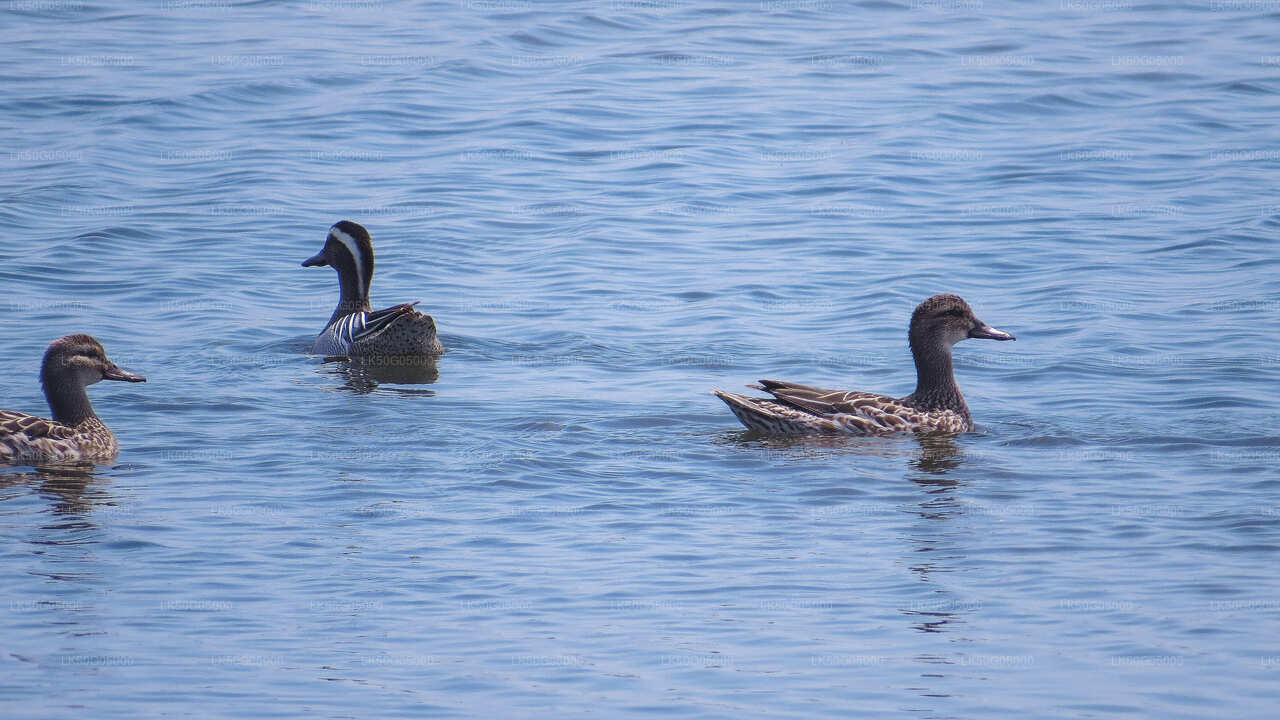
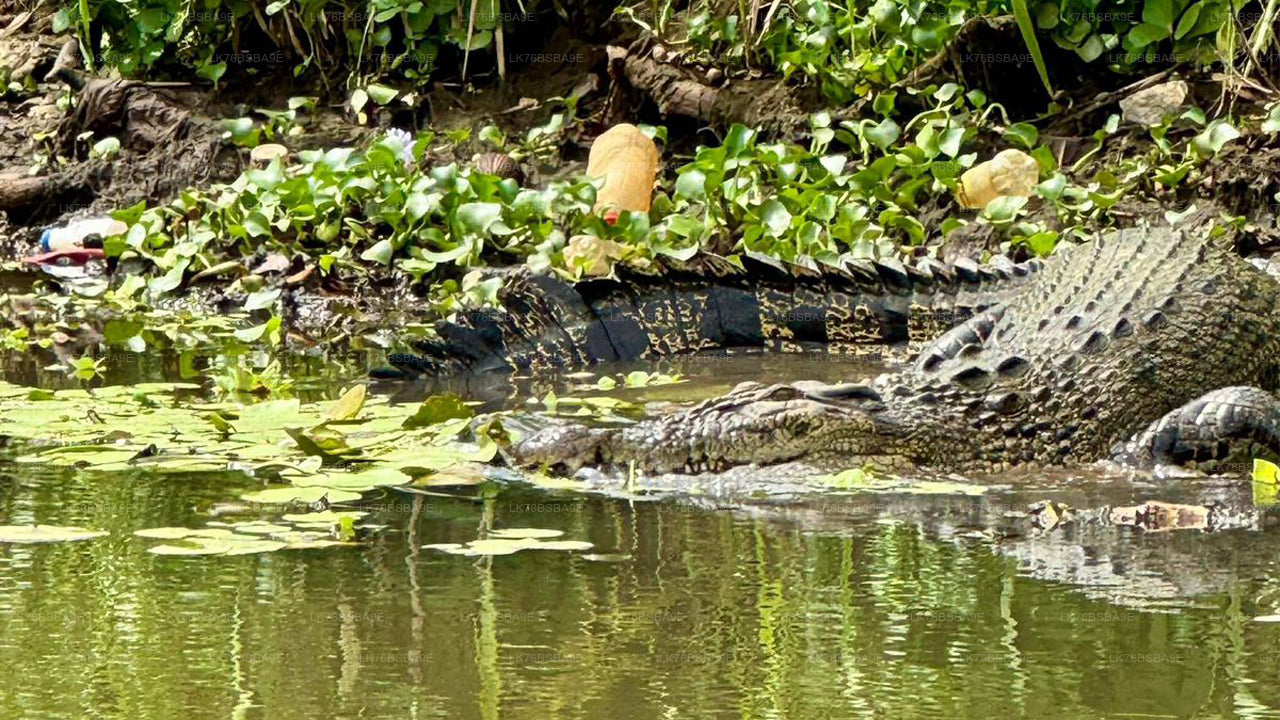
Non-surf hours fill easily. Kumana National Park — around 40 kilometres south — is one of Sri Lanka's most important bird sanctuaries and also harbours leopards, elephants, and crocodiles. The Panama Tank wetland area to the southeast offers a quieter wildlife and birdwatching experience. Inland, ancient temples at Muhudu Maha Viharaya sit close to the beach, providing a glimpse of the region's deep Buddhist history. The town itself is compact: family-run beach cafes serve fresh seafood, kottu roti, and rice-and-curry alongside the usual traveller staples. Evenings are relaxed — this is not a nightlife destination, which, for many visitors, is precisely the appeal.
What should I pack for a surf trip to Arugam Bay?
- Reef booties — Main Point and Pottuvil Point break over sharp reef. Even experienced surfers benefit from protection.
- Rash guard or surf shirt — The Sri Lankan sun is intense year-round. A long-sleeve rashguard cuts UV exposure significantly during long sessions.
- Wax — Tropical-temperature wax (warm or tropical grade). Bring your own; local supply can be inconsistent.
- Sunscreen — High SPF, water-resistant. Reef-safe formulations are worth choosing given the reef break environment.
- Cash — ATMs in Pottuvil town are the nearest cash machines. Card acceptance in the bay is growing but not universal.
- Light layers for evenings — The east coast can be breezy after dark, particularly in June and July.
How do I get from Arugam Bay to other surf or wildlife destinations?
Arugam Bay works well as a base from which to explore other parts of Sri Lanka. The south coast surf towns of Hiriketiya and Mirissa are accessible in a full day's drive via the Hambantota corridor — a journey that can be combined with a safari stop at Yala or Udawalawe national parks. Ella, with its hill-country trekking and tea estates, lies around four to five hours west by road. For travellers who prefer a structured journey, private transfers and combined tour packages allow a seamless transition between the east coast, the hill country, and the southern beaches without the logistics of public transport.
Nearby places
13 places within about 25 km, nearest first.
- Arugam Bay Cityunder 1 km
- Arugam Bay Beachunder 1 km
- Upaar Lagoon1 km
- Kottukal Lagoon2 km
- Elephant Rock Point3 km
- Whiskey Point4 km
- Muhudu Maha Vihara4 km
- Pottuvil City4 km
- Semanikulam Lake4 km
- Pottuvil Point8 km
- Panama Town13 km
- Panama Lake14 km
- Sastrawela Mani Naga Pabbatha Viharaya14 km
Related reading
4 pages on closely related subjects.