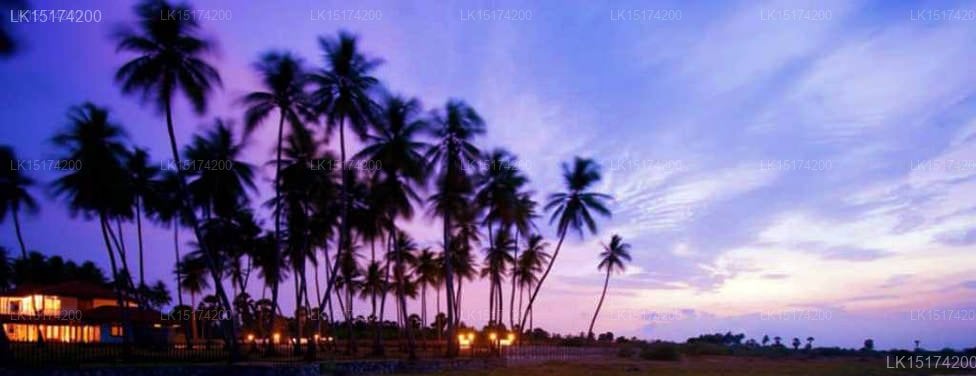
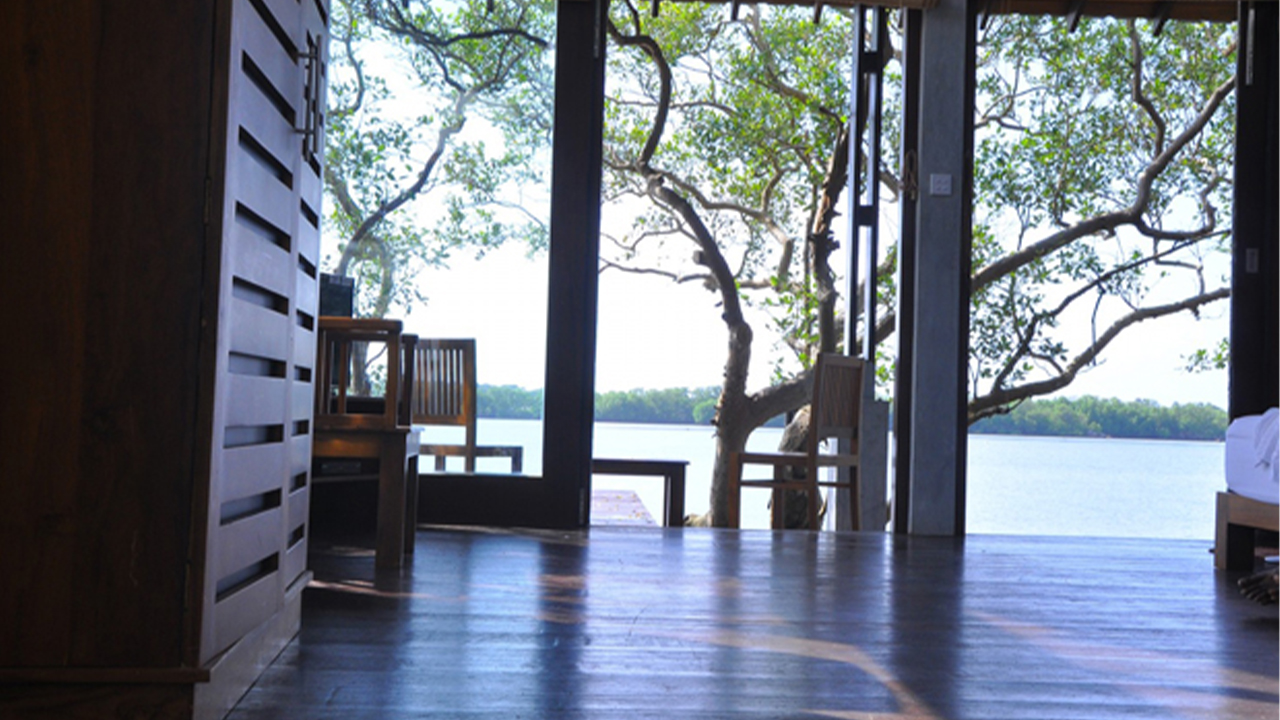
Kottukal Lagoon sits quietly on Sri Lanka's southeastern coast, roughly a kilometre from the surf breaks of Arugam Bay. Where Arugam Bay draws wave-riders and beach crowds, the lagoon offers the opposite — still water, dense mangrove corridors, and the unhurried rhythms of a working fishing community. It is one of the more rewarding stops on the east coast for anyone willing to look beyond the shoreline.
What makes Kottukal Lagoon worth visiting?
The lagoon occupies a transitional zone where freshwater drainage meets the sea, producing the brackish conditions that mangrove ecosystems depend on. Those mangroves — a layered tangle of aerial roots and arching trunks — do several jobs at once: they stabilise the shoreline against erosion, act as a nursery for juvenile fish and crustaceans, and create a sheltered birdwatching corridor that is difficult to find anywhere else on the east coast.
Unlike a beach, a lagoon rewards patience. Arrive at dawn or dusk and the waterway transforms: mist sits low over the surface, egrets stalk the shallows, and the sound of breaking surf from Arugam Bay is barely audible. That contrast — adrenaline one moment, stillness the next — is part of what gives the area its appeal for travellers who want more than a single note.
What birds can I see at Kottukal Lagoon?
Birdwatching is the primary draw for naturalists. The lagoon lies within the migration corridor that channels species between South Asia and East Africa during the northern winter (roughly October to March), so the list of potential sightings changes with the season.
- Year-round residents: Purple heron, little egret, grey heron, Indian cormorant, brahminy kite, and several kingfisher species including the common and pied kingfisher.
- Migratory visitors (Oct–Mar): Whimbrel, common sandpiper, marsh sandpiper, and various tern species resting along the mangrove edges.
- Mangrove interior species: The dense canopy supports mangrove whistlers and various warblers that are harder to spot in open coastal habitats.
A pair of binoculars and an early start are all the equipment needed. Guides from the local fishing community can identify productive spots and help navigate the narrower channels by boat.
What activities are available at the lagoon?
The calm, shallow water lends itself to slow exploration rather than high-speed adventure. Boat rides — typically in small wooden craft operated by local fishermen — are the most common way to enter the mangrove channels. The pace is unhurried and the proximity to the vegetation is close enough to observe roosting birds and the root architecture of the mangroves in detail.
Kayaking is an increasingly available option and gives paddlers more independence to move at their own speed. For those who prefer dry land, the lagoon's sandy edges and the nearby beach between Kottukal and Arugam Bay are pleasant for a morning walk. The combination with a crocodile watching excursion is also worth considering — the broader Arugam Bay wetland system is known habitat for mugger crocodiles, and local guides sometimes include lagoon stops on wildlife circuits.
How does Kottukal Lagoon connect to Arugam Bay?
Arugam Bay and Kottukal Lagoon sit within walking or cycling distance of each other, which makes it straightforward to pair a surf session in the morning with a lagoon outing in the late afternoon when the light is warm and the birdlife is most active. The two experiences complement each other naturally: one is outward-facing and energetic, the other inward and quiet.
The nearby Pottuvil Lagoon, a few kilometres north of Arugam Bay, is part of the same coastal wetland network and is popular for raft and boat tours. Travellers exploring the eastern coast often visit both lagoons alongside the surf beach to get a fuller picture of the region's ecosystems.
When is the best time to visit Kottukal Lagoon?
The east coast of Sri Lanka operates on a different seasonal rhythm from the west and south. The driest and most accessible months run from April through September, coinciding with Arugam Bay's main surf season. Roads are in good condition and boat operators are reliably available during this window.
The period from October to March brings the northeast monsoon, which delivers rain to the eastern coast and can make lagoon boat trips weather-dependent. However, this is also when migratory bird numbers peak, so birdwatchers prepared to work around the weather will find the lagoon particularly productive in the early months of the year.
| Period | Conditions | Best for |
|---|---|---|
| April – September | Dry, calm water, reliable access | Boat rides, kayaking, general visits |
| October – March | Northeast monsoon, periodic rain | Migratory birdwatching (Nov–Feb peak) |
How do I get to Kottukal Lagoon from Colombo?
Kottukal is located in the Ampara District of Sri Lanka's Eastern Province, approximately 320 km from Colombo by road. The most practical route follows the A4 highway east through Ratnapura and Wellawaya before joining the coastal road near Pottuvil and Arugam Bay. Journey times vary with traffic and road conditions but typically run to around six to seven hours by private vehicle.
Alternatively, travellers can fly from Colombo's Ratmalana Airport or Bandaranaike International Airport to Ampara Airport (also known as Gal Oya Airport) on scheduled domestic services, cutting ground transfer time significantly. From Arugam Bay, Kottukal Lagoon is reachable by tuk-tuk or bicycle in a matter of minutes.
What is the local community around Kottukal Lagoon like?
The villages around Kottukal are predominantly Tamil-speaking fishing communities who have worked the lagoon and nearshore waters for generations. Fishing nets dry on the beach at low tide, and small boats are pulled up along the lagoon edge each afternoon when the day's catch comes in. Visitors who spend time here — rather than passing through quickly — often find this proximity to working coastal life one of the most memorable parts of their stay.
The community's livelihood depends directly on the health of the mangrove ecosystem, which creates a natural alignment between local interests and conservation. Engaging a local guide rather than an outside operator is both more environmentally responsible and a more authentic experience.
Are there accommodation options near Kottukal Lagoon?
Arugam Bay has a well-developed range of accommodation from simple surf camps to more comfortable boutique properties. For those wanting to be as close to the lagoon as possible, a small number of properties sit right on the waterfront between Kottukal and Pottuvil. These tend to be quieter than the main strip at Arugam Bay and suit travellers who prioritise natural surroundings over nightlife and restaurants.
Nearby places
11 places within about 25 km, nearest first.
Related reading
7 pages on closely related subjects.