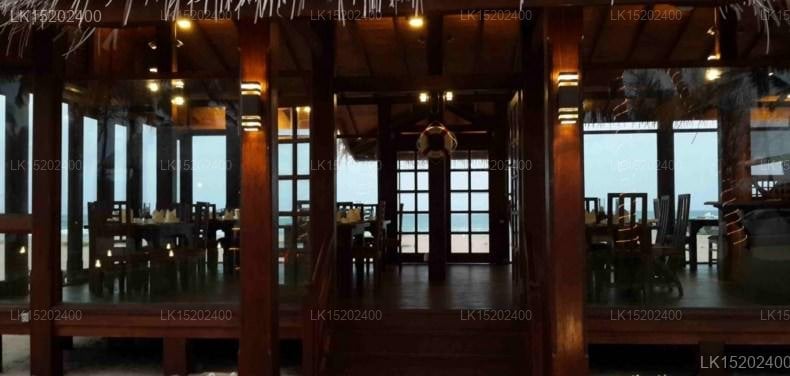
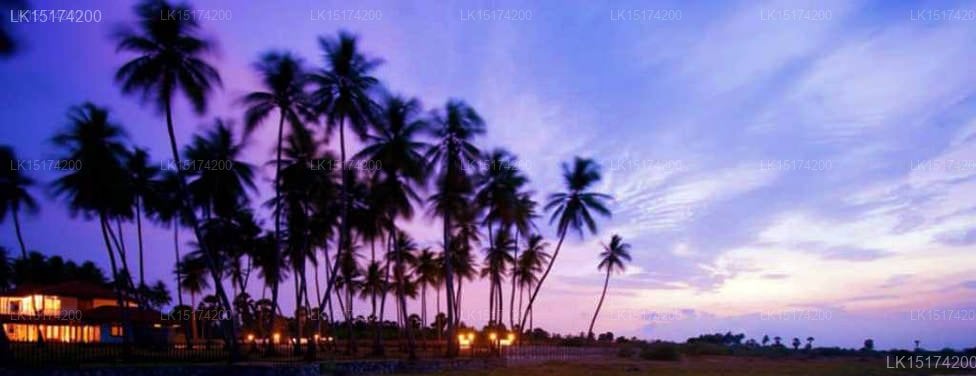
Batticaloa Beach sits on Sri Lanka's eastern seaboard, in a region that remained largely off the mainstream tourist trail for many years and has retained an unhurried, authentic character as a result. Wide sandy shores, a vast brackish lagoon running parallel to the coast, colonial-era landmarks, and a richly layered Tamil, Muslim, and Sinhalese culture make this one of the island's most rewarding — and still undervisited — coastal destinations.
What makes Batticaloa Beach different from Sri Lanka's other beaches?
Unlike the heavily developed southern coast, Batticaloa's beaches remain relatively uncrowded. The shoreline is long and clean, backed in places by casuarina trees rather than resort walls, and the pace of life along it feels genuinely local. Calm inshore waters suit confident swimmers and families, while the lack of mass-market tourism means that interactions with local fishing communities happen naturally rather than as a staged experience.
The defining geographical feature here is not the beach alone but the Batticaloa Lagoon, a sprawling body of water that separates the barrier island on which most of the town stands from the mainland. A boat ride across or along the lagoon at dusk — with egrets and kingfishers in the shallows and the call to prayer drifting from the mosques — gives a sense of place that no beach bar on the south coast can replicate.
What is the singing fish phenomenon at Batticaloa Lagoon?
The lagoon has a long-documented natural curiosity: on calm nights around the full moon, a low musical humming can sometimes be heard rising from the water. Local tradition attributes it to the fish, and the phenomenon has been described in colonial-era records as far back as the 17th century. Scientists have proposed various explanations — including the acoustic behaviour of certain molluscs or fish species in the brackish water — but no definitive cause has been confirmed. Whatever its origin, holding your ear against the blade of an oar dipped into the lagoon at the right moment and hearing the sound for yourself is one of those genuinely memorable travel experiences.
What water activities are available at Batticaloa Beach?
The reef systems lying offshore provide reasonable snorkelling and diving, particularly between April and September when visibility improves and seas are settled. Conditions are quieter and less commercial than at more famous dive sites on the west coast, which suits divers looking for unhurried exploration of coral formations and reef fish rather than large organised dive-boats.
Boat excursions on the lagoon are easy to arrange through local operators and combine birdwatching, a visit to one of the small lagoon islands, and the chance to observe traditional fishing methods. For those interested in deep sea fishing, the waters off the east coast offer strong seasonal sport fishing during the dry months.
What historical sites are near Batticaloa Beach?
Two landmarks stand out for visitors with an interest in the region's colonial past.
- Batticaloa Fort — Originally constructed by the Portuguese around 1628, the fort was subsequently occupied by the Dutch and later the British. It stands near the lagoon shore in the centre of town and is today used as a government administrative building, though the outer walls and main gate remain intact and can be visited. Its history mirrors that of other coastal fortifications around the island, including the Dutch Fort in Negombo.
- Kallady Bridge — This road bridge spanning the lagoon between Batticaloa town and the beach-side barrier island offers good views of the water in both directions, particularly at sunrise when fishing boats return and the light is low and flat across the lagoon.
The Batticaloa Lighthouse, positioned near the southern lagoon mouth, is another popular vantage point. From the top, on a clear day, you can see both the open ocean and the full expanse of the lagoon behind you.
What can I eat in Batticaloa?
Batticaloa's cuisine is rooted in the Tamil culinary tradition of the Eastern Province, with strong influences from the Muslim communities who have long been part of the town's fabric. Fish, crab, and prawn feature heavily, typically cooked with coconut milk, tamarind, and dry-roasted spice blends that differ subtly from the preparations you find in Colombo or the south. Look for crab curry, prawn masala, and the intensely flavoured fish sambol served with rice and fresh flatbreads at smaller local eateries near the market area. The seafood is landed the same morning.
What is the best time to visit Batticaloa Beach?
The east coast's dry season runs broadly from April through to September or early October. During this window the seas are calm, rainfall is minimal, and beach and water activities are at their best. The southwest monsoon, which soaks Colombo and the south from May to September, largely bypasses the east coast — meaning Batticaloa offers good conditions precisely when the western beaches are at their roughest.
Outside the dry season, from around October to March, the northeast monsoon brings heavier rainfall and sometimes rough surf to the eastern seaboard. Travel is still possible, and the landscape becomes vividly green, but swimming and snorkelling are less reliable.
| Period | Conditions | Best for |
|---|---|---|
| April – September | Dry, calm seas | Swimming, snorkelling, diving, lagoon boat trips |
| October – March | Northeast monsoon, intermittent rain | Cultural visits, birdwatching, green landscapes |
What else is near Batticaloa worth visiting?
Pasikudah Beach, roughly 35 km north of Batticaloa, is one of the most photographed beaches on the east coast, known for a broad shallow bay that extends well offshore — its waist-depth water reaches far out at low tide, making it exceptionally safe for non-swimmers and children. Several upmarket beach resorts have opened there in recent years.
Pigeon Island, further north near Nilaveli and Trincomalee, is a designated marine national park and one of Sri Lanka's premier snorkelling sites — a manageable day trip for travellers basing themselves on the east coast for a week or more.
Heading inland, the ancient ruins of Polonnaruwa — one of Sri Lanka's great medieval capitals and a UNESCO World Heritage Site — lie roughly two to three hours west of Batticaloa and make a natural add-on for visitors combining the east coast with the Cultural Triangle.
How do I get to Batticaloa from Colombo?
The most comfortable option is to travel by intercity train from Colombo Fort station. The journey passes through Kandy and crosses the central highlands before descending to the eastern plains — a scenic route that takes around eight to nine hours on the overnight service. Alternatively, private car hire allows you to break the journey and stop at points of interest along the way. The road distance is roughly 310 km via the A5 highway through Kandy and Mahiyanganaya. Domestic flights linking Colombo's Ratmalana Airport with Batticaloa Airport operate periodically, though schedules vary by season — check current availability before planning around this option.
Nearby places
12 places within about 25 km, nearest first.
- Batticaloa lagoonunder 1 km
- Singing Fishunder 1 km
- Batticaloa Dutch Fortunder 1 km
- Mamangam Templeunder 1 km
- Kallady Lady Manning Bridgeunder 1 km
- Thiruchendur Murugan Aalayam kalladyunder 1 km
- Batticaloa Cityunder 1 km
- Batticaloa Railway Stationunder 1 km
- Batticaloa District1 km
- Old Kallady Bridge1 km
- Kalladi2 km
- Gonagolla Punchi Sigiriya11 km
Related reading
4 pages on closely related subjects.