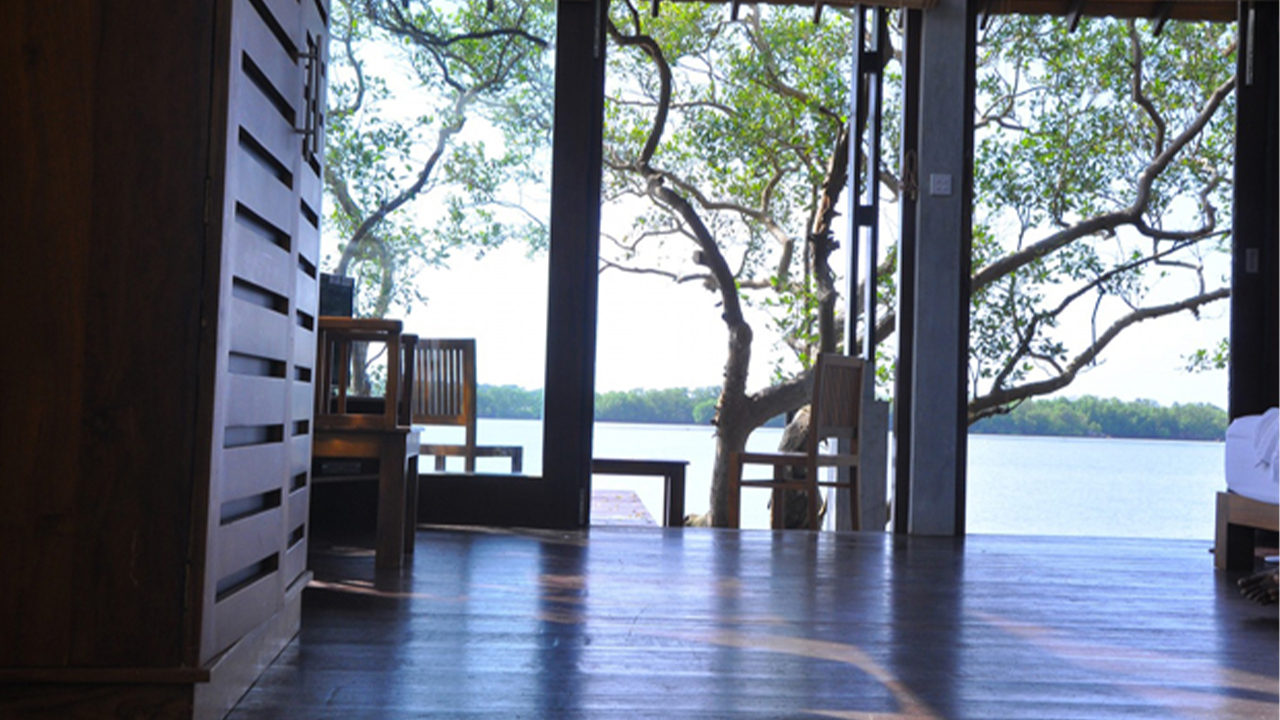
Panama Lake is a shallow, lagoon-fed freshwater lake situated in the Ampara District of Sri Lanka's Eastern Province, tucked just south of the famous surf town of Arugam Bay. Far removed from the Panama Canal that shares its name, this quiet body of water is part of a wider wetland ecosystem that borders Kumana National Park and the Panama lagoon system — making it one of the least-visited yet most rewarding natural destinations on the eastern seaboard.
What makes Panama Lake ecologically important?
The lake sits within a mosaic of scrub jungle, paddy land, and brackish lagoon that forms a critical buffer zone on the edge of Kumana National Park — sometimes called Yala East. This transition zone between freshwater and saltwater environments supports an unusually diverse range of fauna. Resident and migratory waterbirds congregate here in numbers that rival far more celebrated wetlands in the country.
Painted storks, lesser adjutants, purple herons, and several species of kingfisher are regularly recorded around the lake margins. During the northern-hemisphere winter, Eurasian migrants such as curlews and sandpipers add to the species count. Mugger crocodiles are year-round residents, and spotted deer, wild boar, and occasional elephant visit the lake edges at dawn and dusk.
When is the best time to visit Panama Lake?
The eastern coast of Sri Lanka operates on the opposite monsoon pattern from the south and west. The dry season here runs roughly from April through September, which is also when Arugam Bay draws surfers and when Kumana National Park opens for game drives. Visiting between May and August gives you calm weather, accessible tracks, and active birdlife as wetland species concentrate around shrinking water bodies.
The inter-monsoon months of October and November bring unpredictable rain but also fresh green vegetation and fewer visitors — a trade-off worth considering if you prefer solitude. The northeast monsoon from December to February can make road access to the area difficult.
How do I get to Panama Lake from Colombo?
Panama village is approximately 320 km from Colombo by road, typically reached via the Southern Expressway to Mattala and then northeast through Tissamaharama and Pottuvil. The drive takes around five to six hours depending on road conditions. From Arugam Bay, Panama is a short drive of roughly 10 km south along the coastal road.
There is no direct rail connection to this part of the coast. The nearest functioning train station is at Batticaloa, which is considerably further north. Most visitors arrive by private vehicle or tuk-tuk from Arugam Bay.
What activities are available at Panama Lake?
The area around Panama Lake rewards slow, quiet exploration rather than organised adventure tourism. Key activities include:
- Birdwatching: Early-morning walks along the lake edge and adjacent scrub jungle are particularly productive. A local guide significantly improves species identification.
- Village and lagoon safaris: Boat trips into the connected Panama lagoon offer a different vantage point on the wetland, with opportunities to observe crocodiles and waterbirds at close range.
- Wildlife drives toward Kumana: The track south toward Kumana National Park passes through habitat that holds leopard, elephant, and sloth bear, though sightings are not guaranteed outside the park boundary.
- Cultural visits: Panama village itself retains a traditional fishing and farming character largely unchanged by tourism. Interactions with residents offer genuine insight into rural eastern Sri Lankan life.
Is Panama Lake suitable for a day trip or should I stay overnight?
The lake is accessible as a day trip from Arugam Bay, and many visitors combine it with a morning surf session and an afternoon wildlife walk. However, the best light for photography and wildlife observation falls in the first hour after sunrise and the hour before sunset — timings that make an overnight stay in the Panama or Arugam Bay area genuinely worthwhile.
Staying locally also allows you to explore the lagoon by boat at first light, which is when herons, storks, and crocodiles are most active and when the landscape has a stillness that midday visits lack entirely.
What should I know before visiting?
The tracks around Panama Lake and into the adjacent scrub are largely unpaved. A vehicle with reasonable ground clearance is advisable, particularly after rain. Mobile network coverage is intermittent in the area, so download offline maps before you leave Arugam Bay.
There are no formal entry fees or ticketed attractions at Panama Lake itself, though entry into Kumana National Park requires a permit purchased through the Department of Wildlife Conservation. Bring sufficient water and sun protection — shade is scarce along the lake margins. Hiring a knowledgeable local guide not only improves the experience but directly supports the Panama community's stake in conservation.
How does Panama Lake connect to the wider Arugam Bay experience?
Arugam Bay has steadily grown from a niche surf destination into a broader nature and culture hub, and Panama Lake is one of the key reasons to extend any visit beyond the beach. The combination of surf, wetland wildlife, lagoon paddling, and proximity to Kumana National Park gives the area a diversity that few spots on the Sri Lankan coast can match.
Travellers who spend three or more nights in the Arugam Bay–Panama corridor consistently find that the wildlife and landscape experiences away from the beach are as memorable as the waves themselves.
Nearby places
13 places within about 25 km, nearest first.
- Sastrawela Mani Naga Pabbatha Viharaya1 km
- Panama Town2 km
- Kudumbigala Forest Hermitage10 km
- Elephant Rock Point11 km
- kadiraweli12 km
- Kottukal Lagoon13 km
- Okanda Town14 km
- Surfing from Arugam Bay14 km
- Kudumbigala Monastery15 km
- Kebiliththa Dewalaya17 km
- Okanda Murugan Devalaya17 km
- Kumana City20 km
- Kumana National Park20 km
Related reading
1 pages on closely related subjects.