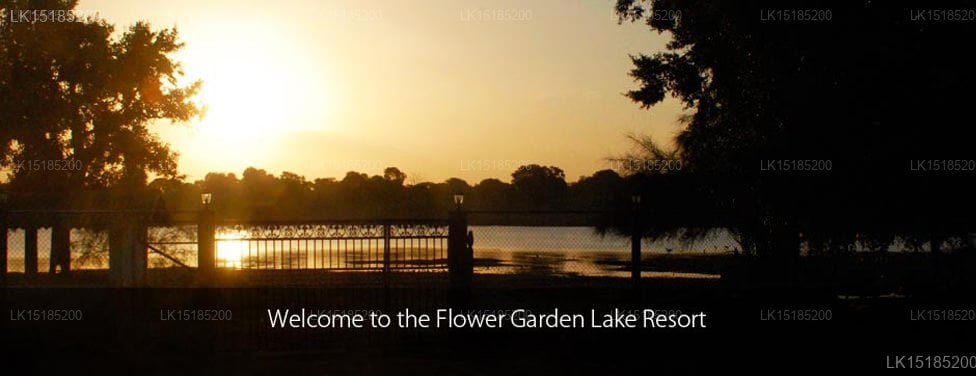
Semanikulam Lake sits quietly on the edge of Sri Lanka's wild east coast, a short distance from the well-known surf point at Pottuvil in Ampara District. The lake draws a steady stream of wildlife enthusiasts, photographers, and travellers who simply want a break from the beach — and it rarely disappoints. The surrounding scrub forest and wetland margins create a productive habitat that supports an impressive range of animals, many of them rarely seen so accessibly in other parts of the island.
What wildlife can I see at Semanikulam Lake?
The lake and its fringes are best known for birds. Both resident waterbirds and long-distance migrants use the wetland as a staging and feeding ground, and the species count rises sharply between October and February when migratory visitors arrive from the Indian subcontinent and Central Asia. Painted storks, open-billed storks, pelicans, herons of several species, and various waders are among the more frequently recorded birds.
Larger mammals also make regular appearances. Sri Lankan elephants come to the water's edge to drink and bathe, particularly in the early morning and late afternoon. Water buffaloes — both wild and semi-feral — graze the marshy ground around the lake's shallower sections. Sightings of these animals alongside migratory birds in a single visit are not unusual, which makes Semanikulam a genuinely productive stop for wildlife photographers working along the east coast route.
Saltwater crocodiles are present in the broader lagoon network of this coastline; visitors interested in reptile sightings may also want to explore crocodile watching opportunities in the region.
When is the best time to visit Semanikulam Lake?
The east coast of Sri Lanka enjoys its dry season roughly from April through September, when roads are accessible and the weather is settled. However, for wildlife, the months from October to February — when migratory birds are present — tend to produce the most varied sightings, despite being the wetter period. Early morning visits on any day of the year yield the greatest animal activity before the heat of midday.
The northeast monsoon brings heavier rainfall to this part of the island between October and January. Road conditions to Pottuvil can occasionally be affected, so it is worth checking local conditions before travelling during peak monsoon weeks.
How do I get to Semanikulam Lake from Colombo?
Pottuvil lies roughly 320 kilometres from Colombo by road, making it a long day's drive or a more comfortable overnight journey. The most practical route passes through Ratnapura and Wellawaya before joining the coastal road south of Arugam Bay. Most travellers combine Semanikulam with a stay in or around Arugam Bay, which is about 3 kilometres to the north. From Arugam Bay the lake is easily reached by tuk-tuk or by bicycle on a flat coastal road.
What can I do at Semanikulam Lake?
The most popular activity is a slow boat ride on the lake, which allows visitors to approach waterbirds without the disturbance caused by walking the banks. Local boatmen familiar with wildlife patterns can position craft patiently near active feeding areas. Photography from the water, where the light is unobstructed and reflections are at their best, is particularly rewarding at dawn.
- Boat rides: Canoe or motorised boat trips can typically be arranged locally near the lake access point.
- Lakeside walks: A quiet walk along the shore offers ground-level views of waders and grazing mammals.
- Photography: The open water, scrub margins, and frequent large wildlife make this one of the more photogenic natural sites on the east coast.
- Combined itineraries: Many visitors pair Semanikulam with Arugam Bay surfing, a visit to Lahugala Kitulana National Park (which hosts some of the island's largest elephant gatherings), or the ancient site at Polonnaruwa further north.
Is Semanikulam Lake inside a protected area?
The lake itself is not formally gazetted as a national park, but it lies within a landscape that connects several protected areas and important bird areas along the east coast. The proximity to Kumana National Park — sometimes called Yala East — means the broader zone supports significant biodiversity. Visitors should treat the area with the same care they would extend to a formal reserve: no waste should be left, and noise levels near wildlife should be kept low.
What should I bring to Semanikulam Lake?
Given the open, flat terrain and reflective water surface, sunlight intensity is high even on overcast days. Sun protection, a hat, and a water supply are practical essentials. For wildlife viewing, binoculars make a significant difference, and a long telephoto lens benefits photographers hoping to capture birds in flight or elephants at the water's edge. Light, neutral-coloured clothing is recommended to avoid disturbing wildlife. Insect repellent is advisable, particularly for early-morning and late-afternoon visits when mosquitoes are active near the water.
Where should I stay when visiting Semanikulam Lake?
Arugam Bay is the obvious base, with a broad range of accommodation from surf-oriented guesthouses to quieter boutique properties. Tissamaharama, roughly 70 kilometres to the southwest, is another practical option for those combining the lake with visits to Yala National Park. Alternatively, Udawalawe National Park lies about three hours away by road and pairs well with a wider east-coast wildlife circuit.
Nearby places
11 places within about 25 km, nearest first.
- Pottuvil Cityunder 1 km
- Muhudu Maha Viharaunder 1 km
- Whiskey Point1 km
- Upaar Lagoon3 km
- Arugam Bay Beach4 km
- Arugam Bay City4 km
- Surfing from Arugam Bay4 km
- Pottuvil Point4 km
- Lahugala16 km
- Lahugala Kitulana National Park16 km
- Magul Maha Viharaya17 km
Related reading
6 pages on closely related subjects.