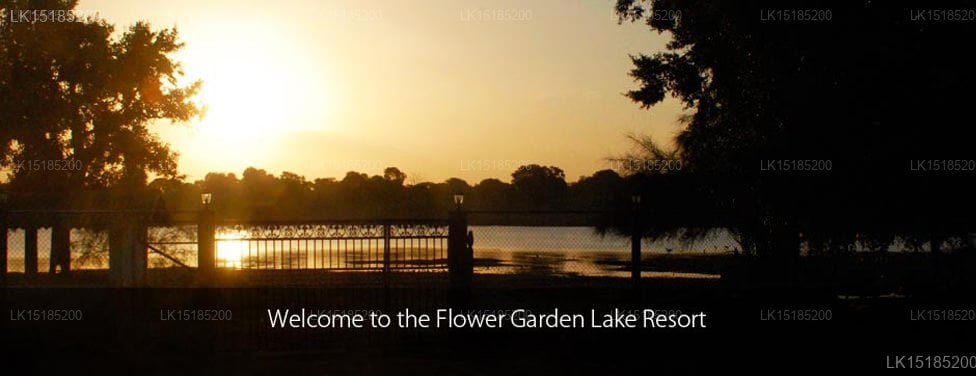
Debarawewa Lake sits quietly on the southern edge of Tissamaharama, a modest town that serves as the base camp for much of southern Sri Lanka's wildlife and cultural exploration. The reservoir is not a recent creation — it is believed to date back to the ancient hydraulic civilizations that once engineered an island-wide network of tanks, canals, and sluices to sustain agriculture in a seasonally dry landscape. Today, the lake continues to irrigate surrounding paddy fields, linking an engineering tradition that is thousands of years old to the daily life of contemporary farming communities.
What makes Debarawewa Lake historically significant?
Ancient Sri Lankan kingdoms, particularly those centered further north in cities such as Polonnaruwa, developed some of the most sophisticated irrigation systems of the pre-modern world. Debarawewa belongs to this broader tradition of "wewa" (reservoir) construction that transformed the dry zone into productive agricultural land. The earthen bund that contains the lake represents a form of civil engineering refined over centuries, channeling monsoon runoff and storing it for distribution during drier months. The reservoir's continued functionality — after potentially millennia — is testament to the quality of its original construction.
The area around Tissamaharama itself holds considerable historical depth. Ancient stupas and dagobas nearby indicate that this region was once a prosperous settlement with ties to royal patronage, and the lake would have been central to sustaining that prosperity.
What wildlife can you see at Debarawewa Lake?
The lake and its fringing wetlands function as a productive ecosystem for birds, reptiles, and aquatic life. Waterbirds are the primary draw for most visitors: painted storks, open-billed storks, purple herons, little egrets, and various species of kingfisher are commonly reported along the margins. During the northeast monsoon season and its aftermath — roughly November through March — migratory species swell the count considerably.
Mugger crocodiles (marsh crocodiles) inhabit the shallower sections of the lake, and patient observers may spot them basking on exposed banks in the morning. If crocodile watching interests you, early morning visits offer the best chance of sightings before the heat of the day drives them to deeper water. The aquatic vegetation along the margins provides cover for smaller waterbirds and supports the fish populations that sustain local livelihoods through small-scale fishing.
When is the best time to visit Debarawewa Lake?
The dry season from December to April is generally considered the optimal period. Water levels stabilize after the northeast monsoon, concentrating waterbirds at the lake margins and making the bund track more walkable. Morning visits — before 8 a.m. — consistently offer the best birdwatching conditions and the most pleasant temperatures in this low-elevation, sun-exposed landscape.
The inter-monsoon months of October and November bring unpredictable rain and can make access along the bund muddy and difficult. The southwest monsoon (May to September) delivers less rainfall to this part of the south than it does to the western coast, so the lake remains accessible, though birdwatching activity tends to be quieter during peak summer heat.
What can you do at Debarawewa Lake?
- Walk the bund: The earthen embankment provides an elevated platform for scanning the water surface and the surrounding scrub. The walk is flat, relatively short, and does not require any special equipment.
- Birdwatching: Bring binoculars and, if possible, a local guide familiar with the species of the Tissamaharama basin. The variety of waterbirds here rivals many more famous wetland sites.
- Photography: Early morning light over the still water, with the silhouettes of roosting birds and occasional fishing boats, makes for compelling landscape photography.
- Casual picnicking: The bund area is used by local families for leisure, and its relaxed atmosphere makes it a pleasant stop for an hour or two.
How do I get to Debarawewa Lake from Colombo or the south coast?
Tissamaharama is approximately 250 km south of Colombo, reachable in around four to five hours by road via the Southern Expressway to Matara, then continuing east on the A2. The lake itself lies within easy reach of Tissamaharama town — most accommodation in the area is within a few kilometres. From the beach resorts of Tangalle, the drive takes roughly one hour. A private driver is the most practical option for travelers combining Debarawewa with nearby attractions.
What else is near Debarawewa Lake?
Tissamaharama is the natural hub for southern Sri Lanka's wildlife and heritage circuit. Yala National Park, one of the country's most visited leopard habitats, lies roughly 20 km to the east. Bundala National Park, a Ramsar-listed wetland, is also within easy reach and complements a birdwatching itinerary well. The Elephant Transit Home at Udawalawe is around two hours' drive to the north, and Udawalawe National Park itself is a reliable destination for elephant sightings in open grassland.
Within Tissamaharama itself, the ancient Tissa Dagoba and the adjacent Tissa Wewa (a larger irrigation lake) are worth visiting. The Kiri Vehera Stupa, one of the best-preserved ancient stupas in the south, stands near the town centre and adds a cultural dimension to what might otherwise be a purely nature-focused stop.
Is Debarawewa Lake suitable for families and non-birders?
Yes. The setting is calm and easy to navigate, and there is no entrance fee or formal visitor infrastructure to contend with. Children tend to enjoy spotting waterbirds and crocodiles, and the open landscape feels uncrowded compared to the busier national parks. Non-birders find value in the peaceful scenery and the sense of historical continuity — standing on an ancient bund, watching the same waters that sustained civilizations centuries ago, carries its own quiet significance. A visit of one to two hours fits comfortably into a broader southern itinerary without requiring a dedicated half-day.
Nearby places
12 places within about 25 km, nearest first.
- Yatala Veheraunder 1 km
- Yoda Wewaunder 1 km
- Tissamaharama Cityunder 1 km
- Tissamaharama Raja Maha Stupa1 km
- Weerawila Airport (WRZ)6 km
- Dambegoda Bodhisattva Statue7 km
- Wirawila City7 km
- Weerawila City7 km
- Kirinda Viharamahadevi Raja Maha Viharaya9 km
- Muslim MV Grounds Kirinda9 km
- Kirinda Town9 km
- Pannegamuwa Lake10 km
Related reading
7 pages on closely related subjects.