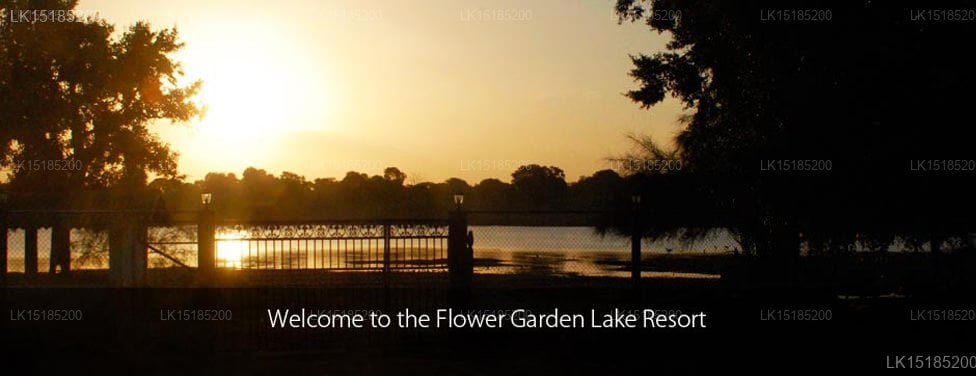
Weerawila Lake is one of southern Sri Lanka's most rewarding natural sites — a large freshwater reservoir that doubles as a thriving wetland ecosystem. Situated close to Tissamaharama in the Southern Province, the lake is neither a well-marketed tourist showpiece nor a remote wilderness; it sits quietly between paddy fields and scrub jungle, drawing birdwatchers, wildlife photographers, and nature travellers who know to look beyond the region's headline attractions.
What makes Weerawila Lake ecologically significant?
The lake and its surrounding marshlands form a critical freshwater habitat in a part of Sri Lanka that is otherwise dominated by dry-zone terrain. The open water, reed beds, and seasonal mud flats together support an unusually dense concentration of waterbirds throughout the year, with numbers peaking during the northern-hemisphere winter when Eurasian migratory species arrive.
Aquatic vegetation — including water lilies and submerged grasses — sustains populations of fish, freshwater turtles, and mugger crocodiles. The wetland also functions as an important water source for surrounding paddy cultivation, giving it an agricultural role that has helped preserve it from development pressure over many decades. For anyone interested in crocodile watching in a low-key, non-commercial setting, the lake edges are worth scanning at dawn and dusk.
What birds can you see at Weerawila Lake?
Weerawila is considered one of the better birding spots in the Southern Province, particularly for waterbirds and waders. The species list is long, but regular visitors include:
- Lesser whistling duck and cotton pygmy goose among the resident waterfowl
- Painted stork, Asian openbill, and woolly-necked stork from the heron and stork families
- Eurasian spoonbill and black-headed ibis foraging along the shallows
- Purple swamphen, pheasant-tailed jacana, and bronze-winged jacana in the reed margins
- Migrant waders including little stint, common sandpiper, and wood sandpiper from around October onward
- Marsh harrier and osprey hunting above the open water
The lake also supports a healthy population of Indian cormorant and little cormorant, which roost communally in trees along the southern bank. Early morning is consistently the most productive time for observation, before boat traffic and heat haze disrupt the surface calm.
When is the best time to visit Weerawila Lake?
The dry season between December and April offers the most reliable conditions. Water levels drop during this period, concentrating fish in shallower areas and drawing larger numbers of birds to predictable feeding spots. The weather is generally clear, making photography straightforward.
The inter-monsoon months of October and November bring the first flush of Eurasian migrants and, on occasion, dramatic skies — useful for landscape photography even if walking the muddy margins is less comfortable. The southwest monsoon (roughly May to September) brings heavier rain and can make access difficult on unpaved tracks around the lake, though resident breeding species are active and the vegetation is at its lushest.
How do I get to Weerawila Lake from Colombo or Tissamaharama?
Weerawila village lies roughly 12 kilometres west of Tissamaharama town along the A2 coastal highway. From Colombo, the drive via the Southern Expressway takes around three to three-and-a-half hours. The lake itself is visible from the main road, and several tracks lead to viewing points along the northern shore.
Most travellers combine a visit to Weerawila with the wider cluster of southern wetland and wildlife destinations. Udawalawe National Park is approximately 50 kilometres to the north, making it straightforward to combine both in a two-day loop from a Tissamaharama base. The nearby Bundala National Park — a Ramsar-listed wetland reserve — is only a short distance to the east and is managed specifically for its waterbird populations.
What other wildlife is present around the lake?
Beyond birds, the lake margins and surrounding scrub support a range of dry-zone mammals. Spotted deer and wild boar are commonly seen at dusk grazing near the water's edge. Mongooses, monitor lizards (water monitor in particular), and several species of snake are regularly encountered along the tracks. Elephant are occasionally reported passing through the area, though Weerawila itself is not a primary elephant corridor.
The wetland's fish community — dominated by various carp and snakehead species — sustains both the resident piscivorous birds and local fishing communities who use traditional cast nets from small wooden boats.
Is there anywhere to stay near Weerawila Lake?
Accommodation options within the immediate Weerawila area are limited but well-chosen for wildlife travellers. A handful of small eco-lodges and guesthouses position themselves specifically to give guests early-morning access to the lake before day-trippers arrive. Tissamaharama town, a short drive east, offers a wider range of hotels across different budgets and serves as the main base for exploring the entire southern wetland zone.
The Elephant Transit Home at Udawalawe is a popular half-day addition for guests based in this area, combining well with an afternoon return to Weerawila for the evening flight of waterbirds back to their roosts.
Tips for visiting Weerawila responsibly
- Arrive at dawn — bird activity is highest in the first two hours after sunrise and falls sharply by mid-morning.
- Bring binoculars; the lake is wide and many species feed well away from the shore.
- Stay on established tracks to avoid disturbing nesting birds in the reed margins.
- The lake is a working agricultural reservoir — fishing communities operate here daily, so keep a respectful distance from their boats and equipment.
- Mosquito repellent is advisable, particularly during and after the monsoon months.
- There are no formal entrance fees or visitor facilities at the lake; it is an open public area.
Nearby places
12 places within about 25 km, nearest first.
- Madunagala Hot Springsunder 1 km
- Weerawila Bird Sanctuary4 km
- Kirindi Oya7 km
- Mattala City8 km
- City to Mattala Airport Transfers8 km
- Mattala Airport Taxi8 km
- Mattala Rajapaksa International Airport8 km
- Deep South8 km
- Ramba Rajamaha Viharaya11 km
- Wirawila Accommodations11 km
- Lunugamvehera National Park12 km
- Southern Province15 km
Related reading
11 pages on closely related subjects.