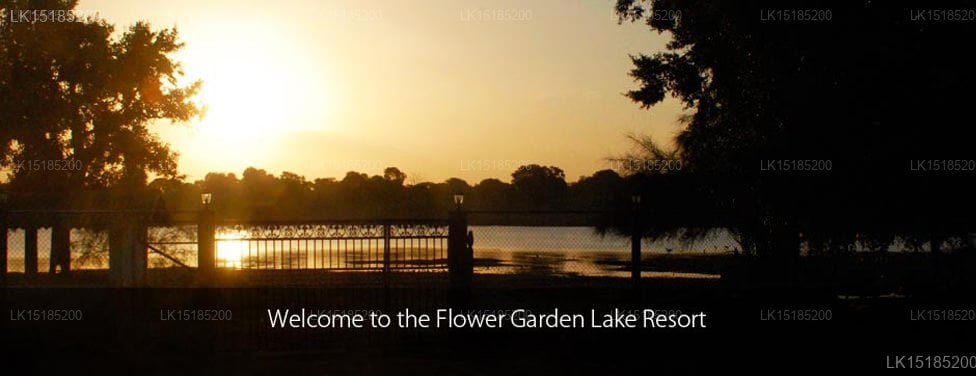
Kochichipathana Lake sits within the dry-zone wilderness of the Yala region in Sri Lanka's Southern Province, tucked among scrub forest and wetland pockets that define one of Asia's most celebrated wildlife corridors. While it rarely appears on tourist maps, the lake features regularly in safari routes and wildlife footage from the area — a quiet freshwater body that rewards patient observers far more than crowded main glades typically do.
What makes Kochichipathana Lake ecologically important?
In Sri Lanka's dry zone, surface water is a limiting resource, particularly between May and September when rainfall is sparse and temperatures climb. Kochichipathana Lake functions as a reliable drinking and foraging site for the animals that inhabit the surrounding scrub-woodland ecosystem. Elephants, spotted deer, sambar, water buffalo and various reptiles are drawn to its margins on a daily cycle that peaks around dawn and dusk.
Waterbirds benefit just as much. The shallow edges and exposed mudflats provide feeding grounds for painted storks, open-bill storks, cormorants, herons and a range of waders. During the northern-hemisphere winter months, migratory species add further variety to the birdlist. The lake's relative isolation within the park means human disturbance is lower than at better-known waterholes, which tends to produce more relaxed and observable animal behaviour.
The surrounding forest includes species typical of Sri Lanka's dry mixed evergreen zone — scattered trees, grassland clearings and dense thickets that shelter leopards, jackals and mongoose. Crocodile watching is also possible: mugger crocodiles bask on exposed banks and slide quietly into the water when disturbed, and a safari pause near Kochichipathana Lake can offer an unexpectedly close view of these prehistoric reptiles.
What wildlife can I see at Kochichipathana Lake?
The species mix shifts with the season, but a well-timed visit can produce sightings across multiple animal groups within a single stop.
- Elephants – Small herds and solitary bulls visit to drink and wallow, particularly in the dry season when other water sources shrink.
- Spotted deer and sambar – Often seen at the water's edge in the early morning, alert and watchful for predators.
- Leopard – Yala carries one of the world's highest recorded leopard densities; the treeline and rocky outcrops near the lake are worth scanning carefully.
- Mugger crocodiles – Typically rest on the banks during mid-morning after the first feeding period.
- Waterbirds – Painted storks, purple herons, lesser whistling ducks and kingfishers are regularly noted by guides working this circuit.
- Sloth bear – Less predictable, but the woodland fringes around the lake are considered reasonable habitat.
When is the best time to visit Kochichipathana Lake?
The dry season — roughly February through July in the Yala region — concentrates wildlife around permanent water sources and is generally the most productive time for game viewing. During this period, Kochichipathana Lake may become one of the few reliable drinking points in its immediate vicinity, drawing animals in greater numbers and for longer periods.
The park partially closes each year, typically from around September to mid-October, to allow habitat recovery. Confirm current opening status before planning a visit. Outside the dry season, the landscape greens up considerably, bird diversity increases with resident breeding activity, and the overall crowds in the park are noticeably lighter.
Within any given day, early morning departures — leaving the park gate at opening time — give the best combination of cool temperatures, good light for photography and peak animal activity. Late afternoon, in the two hours before gate-closing, offers a comparable window. Midday hours are the least productive.
How do I get to Kochichipathana Lake inside Yala?
Kochichipathana Lake is accessed as part of a guided safari circuit through Yala National Park. Visitors are not permitted to drive private vehicles unescorted through the park; all access is in a registered jeep with a licensed guide. The lake forms part of routes operating out of the main park gate near Palatupana, which is approximately 300 km from Colombo via the Southern Expressway and Tissamaharama.
The nearest town with accommodation is Tissamaharama, which sits about 20 km from the park entrance and offers a full range of lodges and guesthouses. If you prefer to base yourself closer to wildlife territory, several safari camps and eco-lodges operate on the park's buffer zone.
What should I know before visiting Kochichipathana Lake on safari?
A few practical points will help the visit go smoothly.
- Guide is essential – An experienced naturalist will know whether Kochichipathana Lake is currently on the active safari circuit and can read animal behaviour safely at the waterside.
- Stay in the vehicle – Yala regulations require visitors to remain inside the jeep at all times unless at a designated area. This rule protects both wildlife and visitors.
- Camera gear – A telephoto lens of 400 mm or longer is useful for wildlife at a distance. A second body or phone for landscape shots of the reflective water surface is worth packing.
- Binoculars – Compact 8×42 or 10×42 binoculars significantly improve the birdwatching experience.
- Clothing – Neutral or muted tones (khaki, olive, grey) reduce disturbance to approaching wildlife. Avoid white or bright colours.
- Sun and insects – Carry SPF sun protection, insect repellent and sufficient water. The dry-zone midday heat is intense even in cooler months.
- Noise discipline – The lake's value as a wildlife spot depends on quietness. Low-talking and switching phones to silent allows animals to approach naturally.
How does Kochichipathana Lake compare with other Yala waterholes?
Yala's more famous open glades and tanks — such as Menik Ganga and the main Block I waterholes — can see ten or more safari jeeps parked simultaneously during peak season, which affects animal behaviour and the quality of observation. Kochichipathana Lake, being less documented in mainstream travel guides, tends to receive fewer vehicles. This makes it particularly useful for photographers and wildlife enthusiasts who want longer, quieter observation windows rather than quick drive-by sightings.
Visitors with a broader interest in Sri Lanka's wetland ecosystems may also find value in comparing the dry-zone character of Kochichipathana Lake with the very different landscape of Udawalawe National Park, where the large Udawalawe reservoir creates a distinct set of habitats and a different suite of resident species, including one of the island's most reliable large elephant populations.
Is Kochichipathana Lake suitable for birdwatching tours?
Yes, and it is arguably underused for this purpose. The combination of open water, fringing reed beds, exposed mudflats and adjacent woodland edge creates a layered habitat that supports species from several ecological guilds simultaneously. A dedicated birdwatcher embedded in a flexible morning safari can cover the lake methodically, recording waders, raptors, perching kingfishers and any migratory visitors present.
Yala as a whole holds well over 200 recorded bird species. The dry-zone specialist species — such as the Sri Lanka grey hornbill, brown-capped babbler and Malabar pied hornbill — are typically found in the woodland around the lake rather than at the water itself, making the transit between waterside and forest margin a productive birding stretch.
Nearby places
8 places within about 25 km, nearest first.
- Yala National Parkunder 1 km
- Sri Lanka Tented Safari Camping, Yalaunder 1 km
- Yala Cityunder 1 km
- Thippola, Yalaunder 1 km
- Leopard Watchingunder 1 km
- Naturalist at Yala National Park1 km
- Palatupana Entrance2 km
- Galge Entrance10 km
Related reading
6 pages on closely related subjects.