
Handappanagala Lake is a quietly rewarding destination in the Monaragala District of Sri Lanka's Uva Province. Unlike the country's more-visited reservoirs, it has remained largely off the mainstream tourist circuit, which is precisely its appeal. The lake serves a dual purpose: it underpins the irrigation needs of surrounding agricultural land while offering a calm, unhurried environment for visitors interested in birdwatching, freshwater fishing, and rural exploration.
What makes Handappanagala Lake worth visiting?
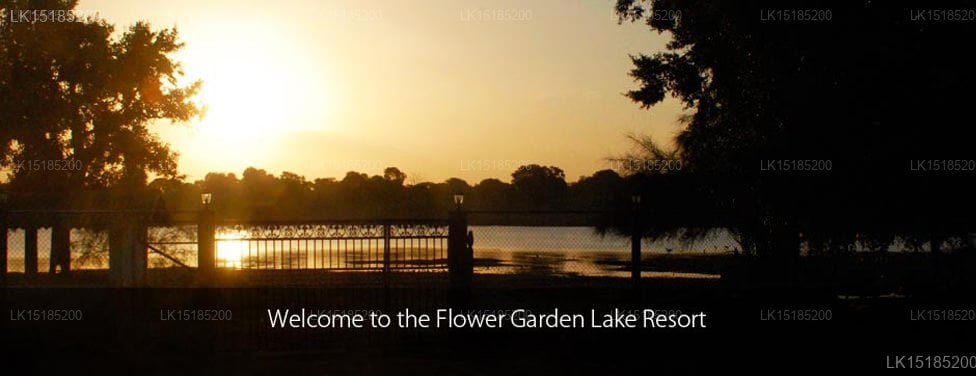
The reservoir sits within a landscape shaped by dry-zone scrub forest, paddy fields, and patches of riparian woodland — a combination that supports a surprisingly diverse range of wildlife. The still surface of the water mirrors the tree line at dusk, and on clear mornings the surrounding hills are reflected across the lake with photogenic clarity. There are no large resorts here, no entrance queues, and no amplified commentary. The atmosphere is one of genuine rural Sri Lanka, and that restraint is a significant part of its value.
Visitors who take the time to walk the bund or hire a small boat can observe the lake at close quarters and at their own pace. The experience suits travellers looking for a contrast to the busier heritage sites further north, particularly those passing through the southern edge of the Cultural Triangle or combining the lake with a visit to Ella or the national parks of the south.
What birds can I see at Handappanagala Lake?
Birdwatching is the most consistently rewarding activity at Handappanagala Lake. The wetland margins and surrounding dry forest create distinct microhabitats that support both resident and migratory species. Commonly recorded waterbirds include painted storks, open-billed storks, purple herons, and various egret species. Little cormorants and Indian cormorants are frequent, often seen drying their wings on exposed branches at the water's edge.
The surrounding woodland adds forest species to the mix — Sri Lanka grey hornbills, crested serpent eagles, and various bee-eater species are typically present. During the northern winter migration season, waders and ducks pass through, making November to February a particularly productive period for birders. Early mornings, before the heat builds, consistently yield the highest activity.
Is fishing allowed at Handappanagala Lake?
Freshwater fishing has a long tradition at the reservoir and remains an active livelihood for families in surrounding villages. Local fishermen use traditional cast nets and line fishing to target species common to Sri Lanka's dry-zone reservoirs. Visitors with an interest in fishing should enquire locally about any permits or arrangements, as practices and access conditions can vary seasonally. Simply watching the early-morning net casts from the bund is an experience in itself.
What wildlife besides birds lives around the lake?
The forested margins of Handappanagala Lake support a range of fauna typical of the Monaragala dry zone. Elephants occasionally move through the area, particularly during dry spells when the lake becomes a reliable water source. Spotted deer, wild boar, and grey langurs are regularly seen near the tree line at dawn and dusk. The lake also hosts freshwater crocodiles — visitors should exercise appropriate caution near the water's edge and should not wade into the shallows unguided.
Butterfly diversity is also notable here, with numerous species active around flowering scrub during the wetter months. The nearby Udawalawe National Park shares many of the same species assemblages and makes a logical companion destination for wildlife-focused itineraries in this part of the island.
How do I get to Handappanagala Lake from Colombo?
Handappanagala Lake is located in the Monaragala District, roughly in the south-east of Sri Lanka's interior. From Colombo, the most practical route follows the Southern Expressway toward Matara or Hambantota, then heads inland through Wellawaya toward Monaragala. Journey times from Colombo are typically in the range of four to five hours by private vehicle, depending on the specific route and stops along the way.
There is no direct public bus service to the lake itself, so a hired vehicle or private driver is the most convenient option. The lake is accessible by car along a rural road, and driving conditions are generally manageable in a standard sedan outside of heavy monsoon periods. A private driver familiar with the Monaragala region will be able to locate the site without difficulty.
When is the best time to visit Handappanagala Lake?
The Monaragala District receives rainfall primarily from the north-east monsoon between October and January, and a secondary inter-monsoon period around April. The most comfortable visiting months for the lake are typically from February to September, when skies are drier and the landscape retains its green character from earlier rains without becoming overly muddy or inaccessible.
For birdwatching specifically, November to February brings migratory species and keeps the temperature manageable. If wildlife viewing around the water source is the priority, the tail end of the dry season — around August and September — sees animals concentrating near water, though the landscape will appear more parched during this period.
What villages and cultural experiences are nearby?
The communities around Handappanagala Lake are primarily agricultural, with paddy cultivation and chena (slash-and-burn) farming shaping the rural economy. Village visits can offer genuine insight into dry-zone farming practices, traditional food preparation, and the rhythm of rural Sri Lankan life. The Monaragala District also holds historical significance, with connections to ancient irrigation civilisations that built and maintained similar tank systems across the dry zone for over two millennia.
Travellers with an interest in ancient engineering and water management will find useful context in the broader tank heritage of the region, which links places like Handappanagala to the grand reservoir systems of Polonnaruwa further north. The Elephant Transit Home at Udawalawe, managed by the Department of Wildlife Conservation, is another worthwhile stop within reasonable driving distance.
Practical information for visitors
- Location: Monaragala District, Uva Province, Sri Lanka
- Access: Best reached by private vehicle or hired car; no direct public bus service to the lake
- Facilities: Minimal on-site facilities; carry food, water, and sun protection
- Best for: Birdwatching, wildlife observation, photography, quiet rural walks
- Nearby attractions: Udawalawe National Park, Rawanagala Rock, Monaragala town
- Seasonality: Accessible year-round; February–September recommended for most visitors
Handappanagala Lake rewards those willing to travel a little further off the standard southern circuit. Its combination of wetland birding, wildlife, and rural character makes it a genuine alternative to more-visited reservoirs, and it integrates naturally into multi-day itineraries through Uva Province and the south-east of Sri Lanka.
Nearby places
10 places within about 25 km, nearest first.
- Handapanagala Reservoirunder 1 km
- Yudaganawaunder 1 km
- Wellawaya Town4 km
- Pareiyan Ella Falls8 km
- Okkampitiya9 km
- Galapita10 km
- Buduruwagala Lake11 km
- Hebessa12 km
- Maligawila Buddha Statue12 km
- Buttala13 km
Related reading
5 pages on closely related subjects.