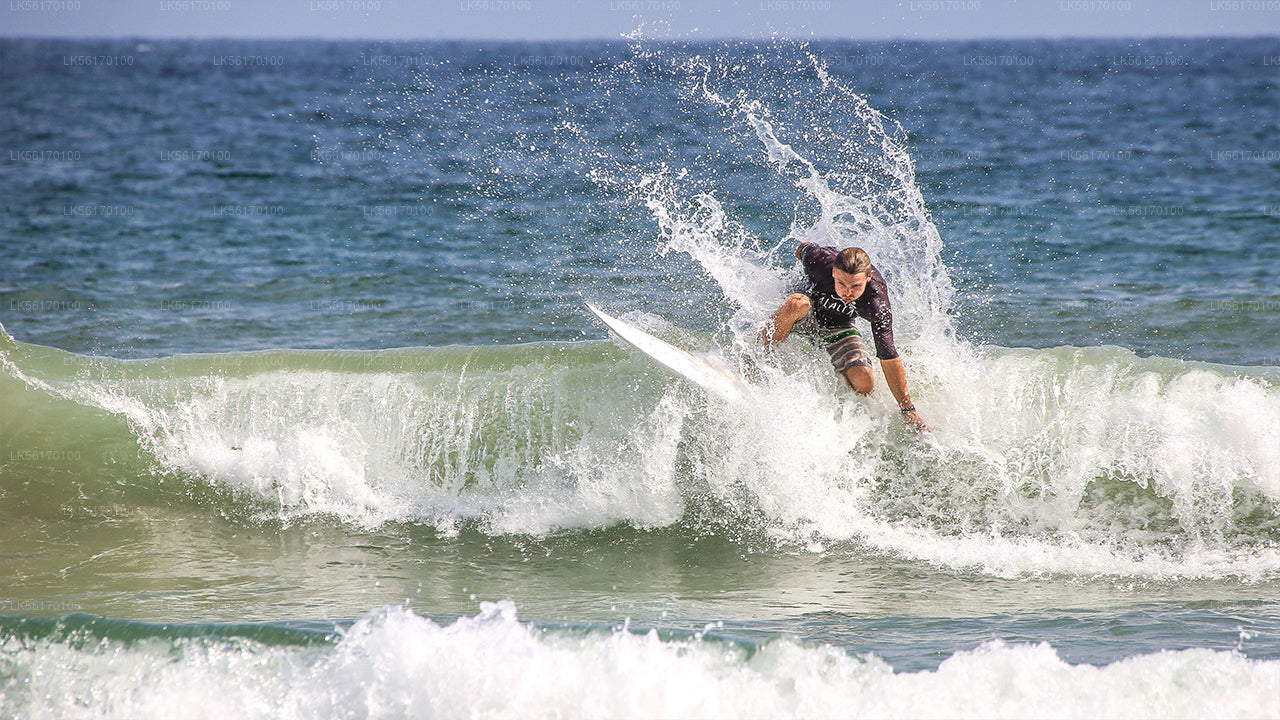
Sri Lanka's coastline stretches for more than 1,300 kilometres, offering a remarkable variety of wave types, wind conditions, and beach settings that suit everyone from first-time surfers to seasoned windsurfers. Because the island sits between two monsoon systems, there is always an active season somewhere on the coast — meaning surf tourism here is genuinely year-round if you know where to look.
What makes Sri Lanka a good destination for surfing?
The southwest and southeast coasts face different oceans, and the monsoons that drive those oceans alternate on a roughly six-month cycle. The south and west coasts — Hikkaduwa, Weligama, Ahangama, and Unawatuna — light up from November through April when the northeast monsoon brings clean, consistent swells. The east coast, anchored by Arugam Bay, comes into its own from May through October when the southwest monsoon pushes surf into the bay.
Wave heights are generally moderate by international standards, which is useful for learners. Reef breaks and point breaks give more experienced surfers long, shapely rides. Water temperatures sit comfortably warm throughout the year, so wetsuits are rarely needed.
Where are the best surf spots in Sri Lanka?
- Arugam Bay (East Coast): Widely regarded as Sri Lanka's premier surf destination, the main point break produces long right-handers that work from around May to October. Several smaller breaks nearby — Pottuvil Point, Whiskey Point, Elephant Rock — cater to intermediate and advanced surfers.
- Hikkaduwa (South Coast): One of the country's oldest surf scenes, with an outer reef break accessible by short boat ride and a more forgiving inner break suitable for beginners. Season runs roughly November to April.
- Weligama (South Coast): A broad, sheltered bay with gentle, rolling waves that has become the go-to spot for first-time surfers. Boards and lessons are widely available directly on the beach.
- Ahangama (South Coast): A cluster of reef breaks a short drive east of Weligama, preferred by intermediate surfers looking for less crowded lineups than Hikkaduwa.
- Unawatuna (South Coast): Best known as a beach destination, but the eastern end of the bay produces a workable left-hand break during the northeast monsoon season.
When is the best time to surf in Sri Lanka?
The answer depends on which coast you plan to visit. The south and west coasts are at their best from November through April, when seas are calm on the east side but energised on the south-facing shores. Arugam Bay and the east coast peak between May and October. April and October act as shoulder months on both sides and can offer pleasant, less-crowded conditions.
| Region | Prime Surf Season | Key Spots |
|---|---|---|
| South & West Coast | November – April | Hikkaduwa, Weligama, Ahangama, Unawatuna |
| East Coast | May – October | Arugam Bay, Pottuvil Point, Whiskey Point |
What is windsurfing like in Sri Lanka?
Windsurfing requires consistent, reliable wind rather than just waves, and Kalpitiya on the northwest coast delivers exactly that. Situated on a narrow peninsula between the Puttalam Lagoon and the open sea, Kalpitiya benefits from strong, steady winds — particularly between May and October — that make it one of the better windsurfing and kitesurfing destinations in South Asia.
The lagoon side is flat-water and ideal for beginners learning to control a board and sail combination. The open-sea side offers choppier conditions for those who want more of a challenge. Several established camps operate structured courses ranging from a single hour to multi-day programmes, with equipment provided.
Is Kalpitiya good for beginner windsurfers?
Kalpitiya is widely considered one of the more accessible places in Sri Lanka to learn windsurfing. The lagoon's flat, protected water removes the intimidation factor of ocean waves, allowing students to focus on the mechanics of the sail and board. Certified instructors run beginner courses that typically cover rigging, balance, steering, and basic tacking over a half-day or full-day session. Children's courses are also available for younger visitors.
For those who already have experience, advanced and level-two courses refine technique — working on planing, footstrap use, and harness sailing — and private one-on-one lessons allow faster progression.
Can beginners learn to surf in Sri Lanka?
Yes, and Sri Lanka has become popular specifically because the learning curve is gentler than in many other surf destinations. Weligama is the most commonly recommended starting point: the bay's sandy bottom, manageable wave size, and calm inside section make wipeouts low-risk. Most surf schools along the south coast offer two-hour introductory lessons that include board hire, a rash vest, and an instructor in the water alongside you.
For those who want to combine sightseeing with surf, the south coast is conveniently close to Galle, allowing mornings in the water and afternoons exploring the historic fort. A Galle city tour pairs naturally with a south-coast surf trip.
What other water sports are available near the surf beaches?
Sri Lanka's coastal areas offer a wide range of complementary activities. Deep sea fishing is popular off the south coast and around Trincomalee on the northeast. Snorkelling and diving are excellent near Hikkaduwa's coral reef and around Pigeon Island National Park off Nilaveli. Kitesurfing at Kalpitiya operates alongside windsurfing, using the same reliable lagoon conditions.
How do I get to the main surf spots from Colombo?
Hikkaduwa and Weligama are both reached via the Southern Expressway, making the journey from Colombo around two hours by car. Ahangama sits a short distance further east along the coast road. Arugam Bay involves a longer journey — roughly six to seven hours by road from Colombo, passing through the cultural heartland of the island. Kalpitiya, on the northwest coast, is around two to three hours from Colombo depending on traffic through Puttalam.
Private transfers from Colombo's Bandaranaike International Airport to any of these destinations can be arranged in advance, which is the most comfortable option for travellers arriving with surfboards or equipment.
What should I bring for a surfing trip to Sri Lanka?
- High-SPF reef-safe sunscreen — the tropical sun is intense even on overcast days
- A rashguard or long-sleeve surf top to prevent sunburn and rash from board wax
- Reef shoes if you plan to surf breaks over shallow coral
- A dry bag for valuables on the beach
- Insect repellent for evenings near lagoons (relevant at Kalpitiya)
Surfboards and soft-top learner boards are readily available for hire at all major surf spots. If you travel with your own board, airlines serving Colombo generally accept surfboard bags as oversized luggage — check allowances and fees with your carrier before travel.
Related reading
4 pages on closely related subjects.