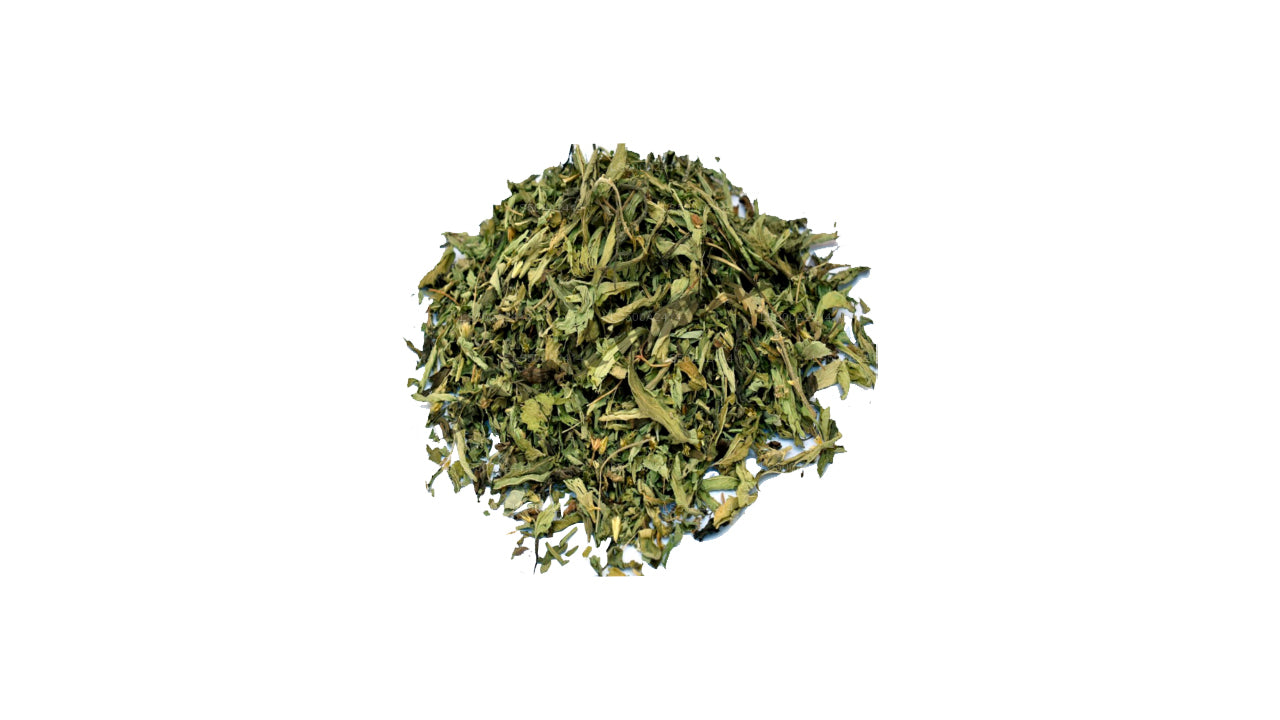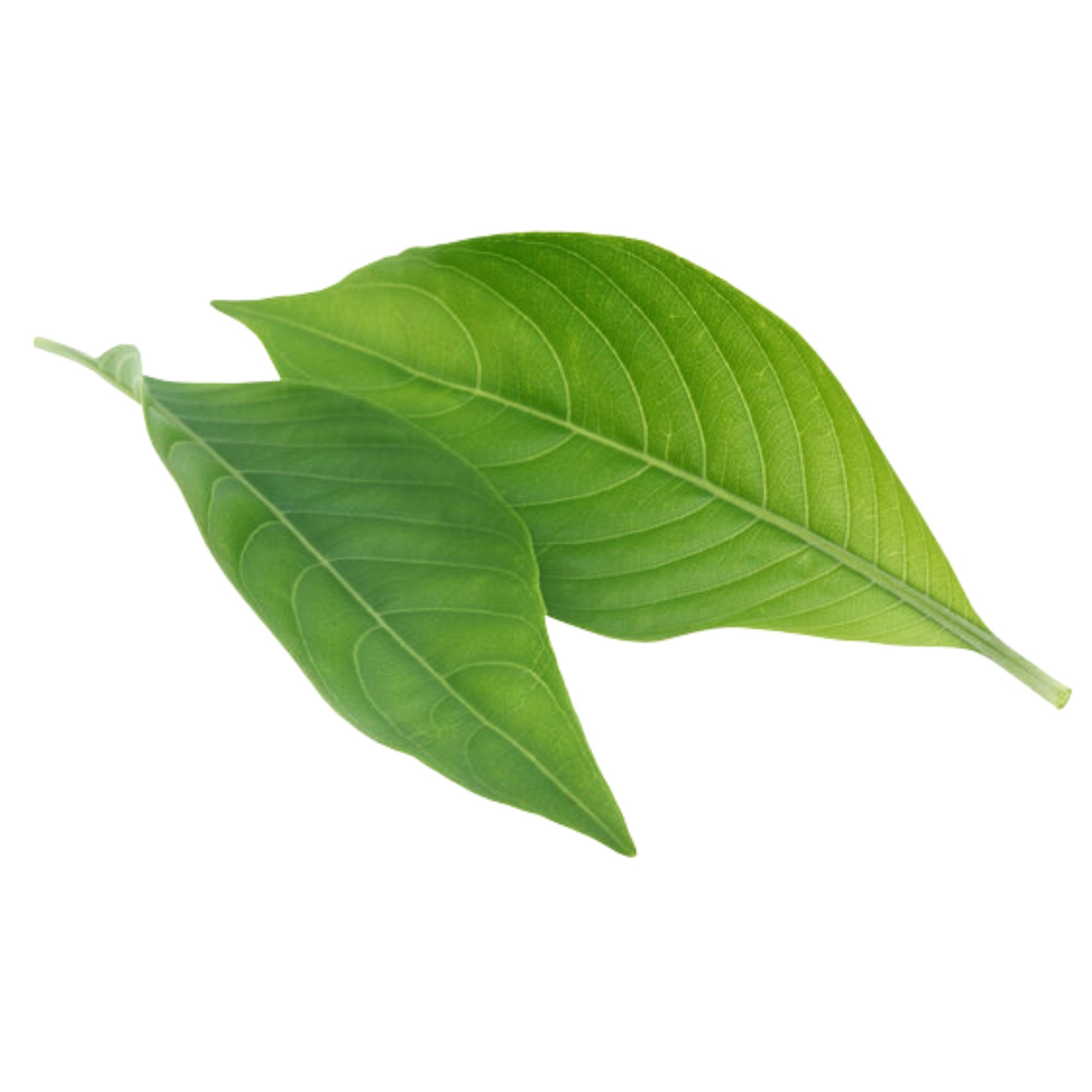




Justicia procumbens, known in Sinhala as Hulanthala or Munamal, is a small, creeping herb that grows across tropical and subtropical Asia, including the lowland regions of Sri Lanka. It belongs to the family Acanthaceae and has been documented in Sri Lanka's ayurvedic pharmacopoeia for centuries, valued for its broad range of therapeutic applications in traditional medicine systems.
What is Justicia procumbens used for in Ayurveda?
In classical ayurvedic practice, Justicia procumbens is considered a plant with bitter, astringent properties. Traditional texts and practitioners associate it with treatments for fever, inflammation, and skin conditions. The whole plant — including leaves, stems, and roots — is typically used in preparations such as decoctions, pastes, and powders.
- Fever management: The plant is used as an antipyretic in traditional formulations, often prepared as a water decoction.
- Skin disorders: Topical applications of the paste are recorded in folk medicine for managing itching, rashes, and mild infections.
- Anti-inflammatory use: Extracts of Justicia procumbens have been studied in ethnobotanical research for their potential role in reducing localised inflammation.
- Antimicrobial properties: Several phytochemical compounds isolated from the plant, including flavonoids and lignans, have attracted interest in contemporary botanical research.
While traditional use is well-established, it is important to consult a qualified ayurvedic physician before using any medicinal plant for therapeutic purposes.
Where does Justicia procumbens grow in Sri Lanka?
This low-growing herb thrives in disturbed habitats — roadsides, garden margins, and the edges of cultivated land — at low to mid elevations. It is commonly found in the dry and intermediate zones of Sri Lanka, particularly across the North Central and North Western provinces. The plant prefers well-drained, sandy or loamy soils and tolerates seasonal drought well.
Within Sri Lanka's rich tradition of medicinal plant cultivation, Justicia procumbens grows wild rather than being widely cultivated commercially. Practitioners and collectors typically harvest it from natural stands. The broader landscape of Sri Lankan herbal medicine also features related plants in the Acanthaceae family, such as Pongamia pinnata, which similarly occupies a documented role in traditional formulations.
What are the key phytochemical constituents of Justicia procumbens?
Botanical and pharmacognostic studies have identified several bioactive compounds in Justicia procumbens. Understanding these constituents helps explain the plant's historical applications and informs ongoing research.
| Compound Class | Representative Compounds | Associated Traditional Use |
|---|---|---|
| Flavonoids | Luteolin, apigenin | Anti-inflammatory, antioxidant |
| Lignans | Justicidin A, B | Antimicrobial, cytotoxic research |
| Alkaloids | Trace amounts | Antipyretic activity |
| Steroids | Beta-sitosterol | General tonic formulations |
Research into these compounds is ongoing, and the plant has been the subject of several peer-reviewed ethnobotanical studies from South and Southeast Asian institutions. However, clinical evidence remains limited, and most applications are grounded in traditional rather than modern clinical frameworks.
How does Justicia procumbens relate to other medicinal plants in Sri Lanka's ayurvedic tradition?
Sri Lanka's ayurvedic tradition encompasses hundreds of native and naturalised plant species, many of which work in compound formulations rather than as standalone remedies. Justicia procumbens is typically used alongside other herbs in multi-ingredient preparations. Its genus, Justicia, also includes the more widely recognised Justicia adhatoda (Adhatoda vasica), known locally as Pawatta, which is used extensively in respiratory medicine.
The broader Acanthaceae family contains several plants catalogued in the Sri Lankan ayurvedic materia medica. Similarly well-documented examples include Acacia chundra, another traditional medicinal species with astringent properties used in classical formulations.
Sri Lanka's tradition of herbal medicine is closely tied to its forest ecosystems. The Sinharaja Forest Reserve, a UNESCO World Heritage Site, harbours a significant proportion of the island's endemic plant species, many of which remain important to ayurvedic research and practice.
How is Justicia procumbens prepared and used in traditional practice?
Traditional ayurvedic preparation methods for Justicia procumbens vary depending on the condition being treated and the practitioner's school of training. The most common preparation methods include:
- Kashaya (decoction): The dried plant material is boiled in water until the volume reduces, then strained and consumed in measured doses.
- Choornam (powder): Dried aerial parts are ground into a fine powder and may be combined with honey or warm water for internal use.
- Kalka (paste): Fresh plant material is crushed into a paste and applied topically, particularly for skin conditions.
- Swarasa (fresh juice): Fresh juice extracted from the whole plant is used in some folk preparations, though this method is less standardised.
Dosage and preparation should always be guided by a registered ayurvedic medical officer. Self-medication with medicinal plants, even traditional ones, carries risks if used without proper guidance.
Is Justicia procumbens the same as Justicia adhatoda (Pawatta)?
No — these are distinct species, though they belong to the same genus and share some overlapping traditional uses. Justicia adhatoda (Malabar nut, locally called Pawatta) is a taller shrub widely used for respiratory conditions and is far more extensively studied and commercially processed. Justicia procumbens is a smaller, creeping herb with a different phytochemical profile and is primarily associated with fever, skin, and inflammatory conditions in traditional texts. Practitioners familiar with both plants treat them as separate medicines with different applications.
What is the conservation status and availability of this plant in Sri Lanka?
Justicia procumbens is not currently listed as a threatened species in Sri Lanka. Its adaptability to disturbed habitats means it remains relatively common across the dry and intermediate zones. It is not a species facing collection pressure at the level of some rarer endemic medicinal plants. That said, sustainable harvesting practices remain important, particularly as interest in herbal and ayurvedic products grows both locally and internationally.
For travellers interested in Sri Lanka's living traditions of herbal medicine, guided visits to ayurvedic gardens and herb farms offer a meaningful way to learn about plants like Justicia procumbens in context. Sri Lanka's agro-ecological diversity — from coastal lowlands to highland cloud forests — supports an extraordinary range of medicinal flora that continues to inform both traditional and contemporary wellness practices.
Other species in this genus
3 more, sharing the same genus.