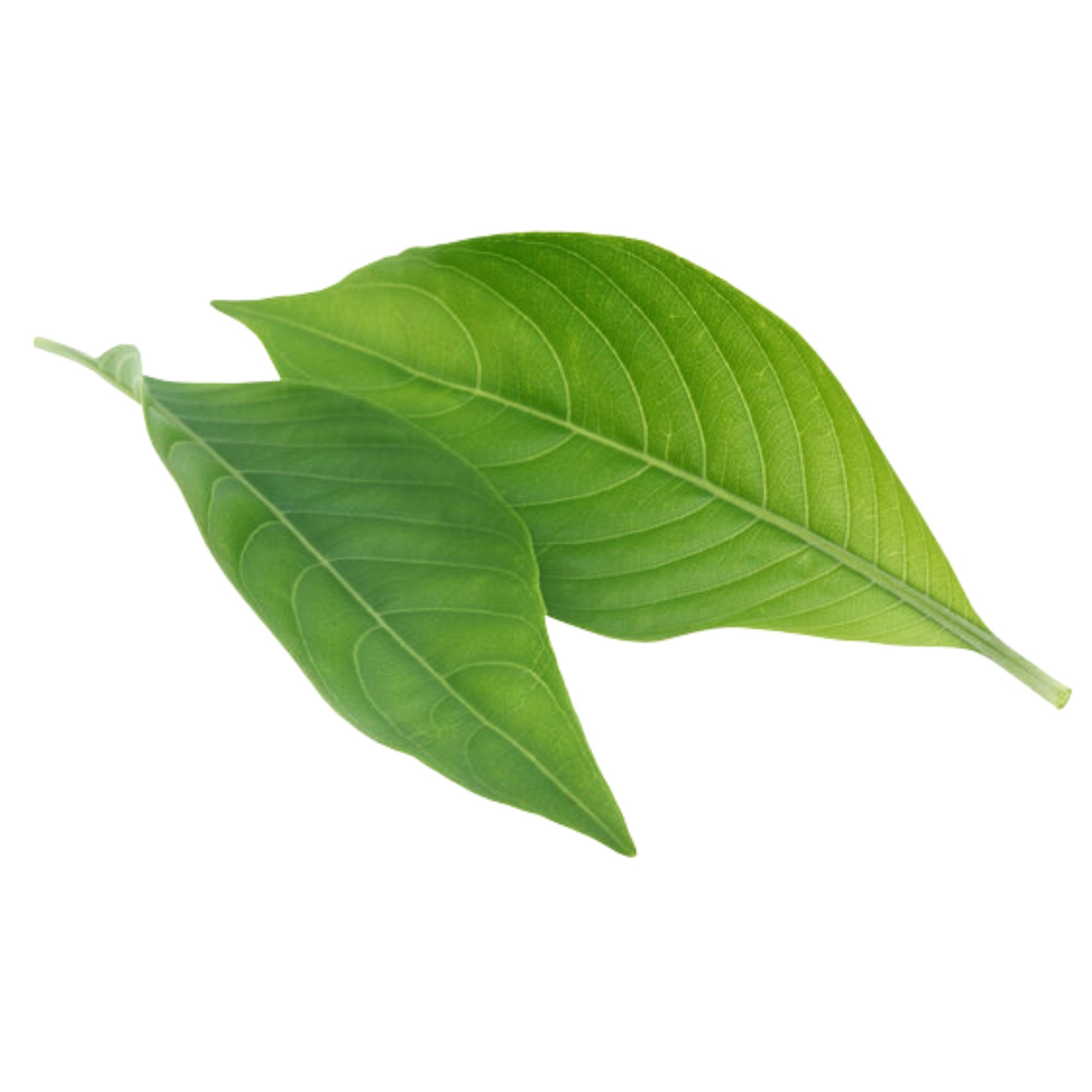




Justicia gendarussa is a small, fast-growing shrub belonging to the family Acanthaceae. Known across South and Southeast Asia for its well-documented role in traditional medicine, it holds a recognised place in the catalogue of Ayurvedic medicinal plants of Sri Lanka. The plant grows readily in moist, low-elevation habitats across the island, and remains a living part of the country's botanical heritage.
What is Justicia gendarussa?
Justicia gendarussa — sometimes called Willow-leaved Justicia — is a slender, branching shrub that typically reaches around one metre in height. Its stems are notably dark purple to black, a trait that makes it easily identifiable in the field. The leaves are narrow and lance-shaped, arranged in opposite pairs, and the plant produces small white flowers streaked with pink or purple. It is native to tropical Asia and thrives in forest margins, stream banks, and disturbed ground throughout Sri Lanka.
In Sinhala traditional medicine, the plant is referred to as Wana nela or Petiwaka depending on the region, and it has been documented in classical Ayurvedic texts as a remedy with multiple therapeutic applications.
What are the traditional medicinal uses of Justicia gendarussa?
Sri Lanka's Ayurvedic tradition attributes a range of therapeutic properties to different parts of this plant. Practitioners have historically used the leaves, roots, and stem bark in formulations targeting inflammation, joint complaints, and respiratory conditions. The plant is considered to have analgesic and anti-inflammatory qualities, making it a common ingredient in remedies for rheumatism and arthritis.
- Leaves: Used in poultices and decoctions to relieve joint pain and reduce swelling. Leaf preparations are also applied externally to treat skin conditions and headaches.
- Roots: Root extracts appear in classical formulations aimed at managing fever and digestive discomfort.
- Stem bark: Occasionally used in preparations for muscular aches and neuralgic pain.
Modern pharmacological research has begun examining the plant's bioactive compounds — including alkaloids such as justicidin — to understand the mechanisms behind these traditional uses. While clinical evidence is still developing, laboratory studies have shown promising anti-inflammatory and analgesic activity consistent with its Ayurvedic applications.
How does Justicia gendarussa fit into Sri Lanka's Ayurvedic tradition?
Sri Lanka has one of the oldest unbroken traditions of Ayurvedic medicine in Asia. The island's rich biodiversity — from the lowland wet zone to the dry northern plains — supports an exceptionally wide variety of medicinal plants, many of which are catalogued and governed under the Department of Ayurveda. Justicia gendarussa is one of several hundred plants formally recognised in this system, often used alongside other botanicals in compound formulations rather than as a standalone remedy.
Plants in the same tradition, such as Acacia chundra and Pongamia pinnata, share a similarly layered history of use — each serving specific therapeutic niches within the broader Ayurvedic pharmacopoeia. Understanding Justicia gendarussa in context means seeing it as one thread in a much larger, carefully maintained system of botanical knowledge.
Where does Justicia gendarussa grow in Sri Lanka?
The shrub favours humid, shaded environments and grows readily in the wet zone and intermediate zone of Sri Lanka. It is commonly found along stream banks, in home gardens, and at the edges of secondary forest — particularly in the Western, Sabaragamuwa, and Southern provinces. Because it grows quickly and requires little maintenance, it has historically been cultivated in household medicinal gardens (weda gedara) alongside other Ayurvedic staples.
Visitors exploring Sri Lanka's natural landscapes — including the biodiversity-rich Sinharaja Forest Reserve — may encounter Justicia gendarussa growing wild in shaded understorey habitats, though it is equally common in village settings.
Is Justicia gendarussa the same as Justicia adhatoda?
These are two distinct species within the Justicia genus, though they are related and share some overlapping traditional uses. Justicia adhatoda — commonly known as Malabar Nut or Pawatta in Sri Lanka — is a larger shrub more widely known for its use in respiratory remedies, particularly for coughs and bronchial conditions. Justicia gendarussa is smaller, with a darker stem, and its primary traditional applications lean toward musculoskeletal and anti-inflammatory uses. Both are catalogued in Sri Lanka's Ayurvedic plant inventory, and both remain in active use by traditional practitioners across the island.
How is Justicia gendarussa prepared and used?
Preparation methods vary according to the condition being treated and the practitioner's lineage. Common forms include:
- Fresh leaf poultice: Leaves are warmed and applied directly to affected joints or swollen areas to draw out inflammation.
- Decoction: Leaves or roots are boiled in water and the liquid is consumed in measured doses for fever or pain relief.
- Oil infusion: Plant material is infused into sesame or coconut oil and used in massage for rheumatic conditions.
- Dried leaf powder: Ground leaves are incorporated into compound Ayurvedic formulations alongside other medicinal plants.
As with all Ayurvedic remedies, traditional use recommends consultation with a qualified practitioner before treatment, as preparations are typically tailored to the individual's constitution (prakriti) and the specifics of the condition.
What related Ayurvedic formulations include plants from this family?
The Acanthaceae family, to which Justicia gendarussa belongs, contributes several plants to Ayurvedic compound formulations used across Sri Lanka and India. Classical preparations such as Yogaraja Guggulu and Kaishore Guggulu draw on a wide network of complementary medicinal plants, combining anti-inflammatory, detoxifying, and analgesic botanicals into targeted remedies for joint and metabolic conditions. Justicia gendarussa fits naturally into this tradition as a locally abundant source of anti-inflammatory activity.
Why is Sri Lanka's medicinal plant heritage significant?
Sri Lanka's geographic isolation and climatic diversity have produced a flora of exceptional richness. The island supports thousands of plant species, of which a significant proportion carry documented medicinal uses in Sinhala, Ayurvedic, or Unani traditions. Government institutions including the Department of Ayurveda maintain formal pharmacopoeias and work with practitioners, cultivators, and researchers to preserve this knowledge. Medicinal plant gardens, village practitioners, and institutions such as the Royal Botanic Gardens at Peradeniya collectively sustain a living tradition that stretches back well over a thousand years.
Plants like Justicia gendarussa are more than catalogue entries — they represent a continuous relationship between Sri Lankan communities and their natural environment, one that modern botanical science is only beginning to examine in depth.
Other species in this genus
3 more, sharing the same genus.