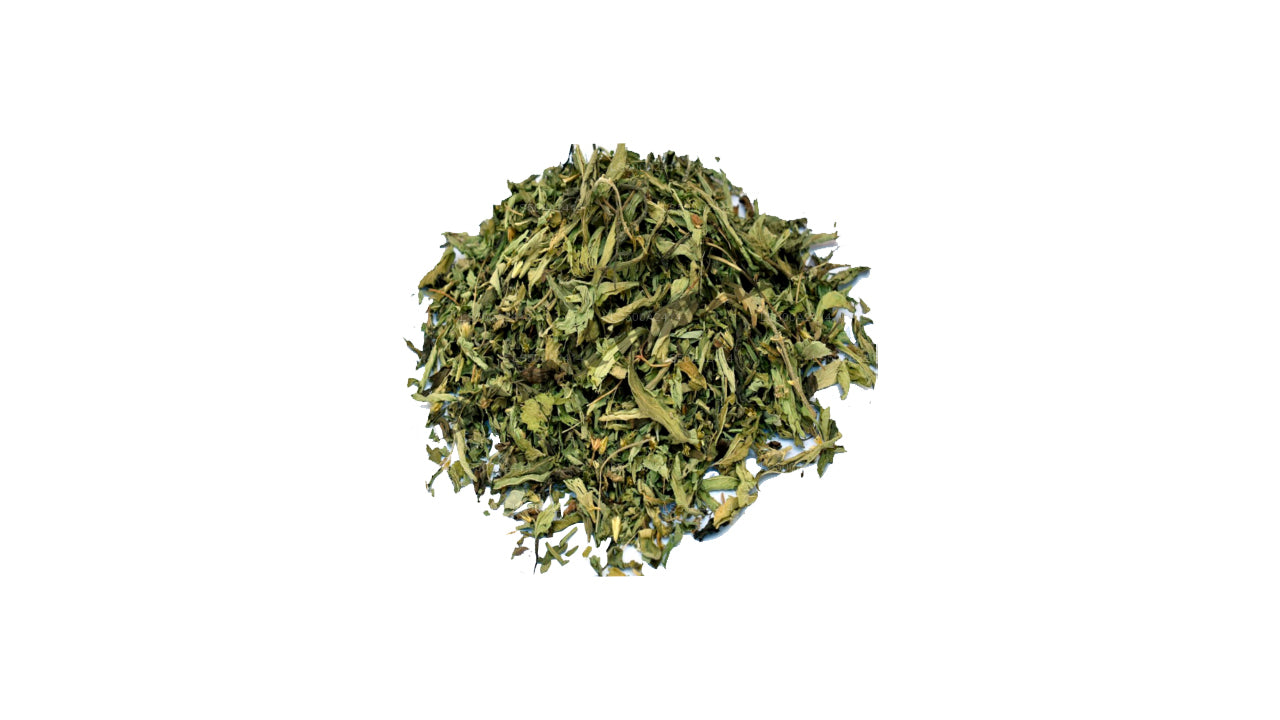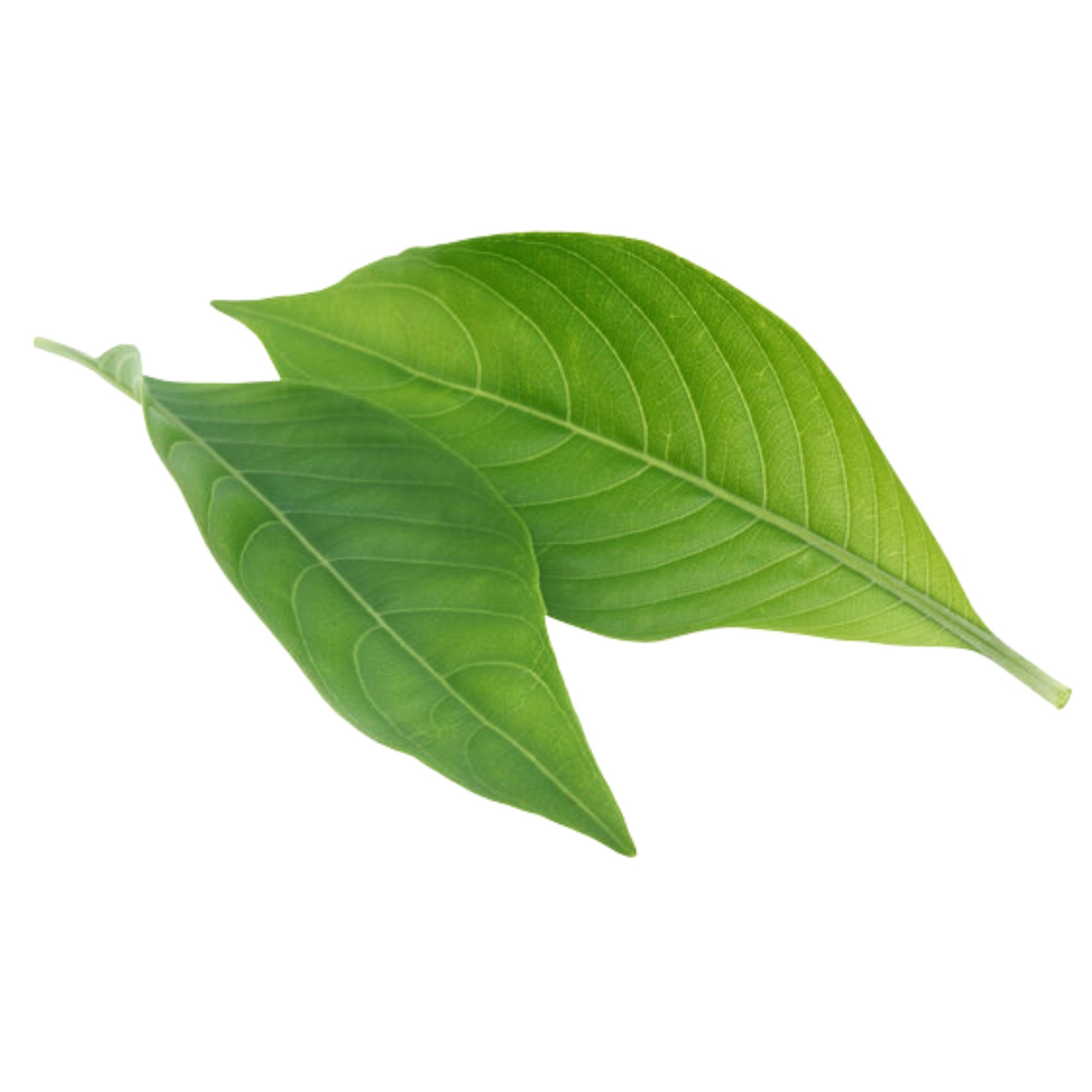




Justicia betonica is a flowering plant in the family Acanthaceae, widely distributed across tropical Asia and Africa. In Sri Lanka it grows along roadsides, forest margins, and disturbed land across multiple climatic zones, making it one of the more accessible medicinal plants in the island's rich botanical heritage. It is formally catalogued among the ayurvedic medicinal plants of Sri Lanka, where traditional practitioners have long recognised its therapeutic properties.
What does Justicia betonica look like?
The plant typically grows as an erect herb or soft-stemmed shrub reaching around 30–90 cm in height. Its leaves are ovate with a pointed tip, smooth-edged, and arranged in opposite pairs along the stem. The most distinctive feature is the flower spike: a dense, elongated inflorescence bearing small white or pale-pink tubular flowers streaked with purple veining. The bracts that surround the flowers are conspicuously white and papery, giving the spike a layered, almost cone-like appearance that makes the plant easy to identify in the field.
Where does Justicia betonica grow in Sri Lanka?
The species is found throughout the lowland and mid-elevation regions of Sri Lanka, from the wet zone to the intermediate zone. It is particularly common along shaded forest edges, stream banks, and the borders of cultivated land. Because it tolerates disturbed habitats well, it appears near village gardens and paddy-field margins as readily as it does in secondary forest. Populations are widespread enough that the plant has never been considered threatened on the island.
How is Justicia betonica used in ayurvedic medicine?
Within Sri Lanka's ayurvedic tradition, plants in the Justicia genus are valued for a range of applications. Leaf preparations are conventionally used to address fever, inflammation, and respiratory complaints. Poultices made from fresh or dried leaves have been applied externally to skin conditions and minor wounds. Related species such as Acacia chundra appear alongside Justicia betonica in classical formulations, reflecting the integrative nature of Sri Lankan herbal medicine, where multiple plant ingredients are often combined rather than used in isolation.
It is important to note that traditional use does not substitute for professional medical advice. Anyone seeking treatment should consult a qualified ayurvedic or medical practitioner before using plant-based remedies.
How does Justicia betonica relate to Justicia adhatoda?
Justicia betonica is frequently discussed alongside its close relative Justicia adhatoda, commonly known as Malabar nut or Pawatta (පාවට්ටා) in Sinhala. Both belong to the same genus and share several therapeutic associations, particularly around respiratory health. Justicia adhatoda is perhaps better documented in clinical literature and is one of the more widely traded medicinal herbs in Sri Lanka, available in dried and dehydrated forms. Justicia betonica, by contrast, is more often used at the community or village level and appears less frequently in commercial preparations.
What is the botanical classification of Justicia betonica?
- Kingdom: Plantae
- Family: Acanthaceae
- Genus: Justicia
- Species: Justicia betonica L.
- Common names: Squirrel tail, white shrimp plant (English); local Sinhala names vary by region
- Distribution: Tropical Asia, tropical Africa, naturalised in parts of the Americas
Is Justicia betonica found in Sri Lanka's protected areas?
The species grows in and around several of Sri Lanka's protected landscapes, including the buffer zones of reserves in the wet and intermediate zones. Visitors exploring the Sinharaja Forest Reserve or the trails around Horton Plains National Park may encounter Justicia betonica and related Acanthaceae species along the path edges, particularly at lower elevations bordering the reserve boundaries.
What is the broader context of ayurvedic plants in Sri Lanka?
Sri Lanka's pharmacopoeia of medicinal plants is among the most diverse in Asia, a direct result of the island's exceptional biodiversity and its unbroken tradition of ayurvedic practice dating back more than two thousand years. Ancient texts compiled in the island catalogue hundreds of plant species used in classical formulations, and Justicia betonica is one of many herbaceous plants that bridge wild ecology and village-level healthcare. Alongside better-known botanicals such as Pongamia pinnata and Syzygium aromaticum, it forms part of a living pharmacopoeia still actively maintained by Sri Lankan communities today.
For those interested in exploring this heritage more deeply, the Yogaraja Guggulu and Kaishore Guggulu pages on this site offer further insight into classical ayurvedic compound formulations used in Sri Lanka.
How can travellers engage with Sri Lanka's herbal medicine traditions?
Several experiences allow visitors to connect with the island's living ayurvedic heritage. Village tours and spice garden visits in the Kandy and Matale districts introduce travellers to medicinal plant cultivation and traditional preparation methods. Some eco-lodges in the wet zone incorporate guided herbal walks into their programmes, led by local practitioners who can identify and explain the uses of plants such as Justicia betonica in their natural setting. Buying authentically sourced dried herb products from responsible suppliers is another straightforward way to engage with this tradition.
Other species in this genus
3 more, sharing the same genus.