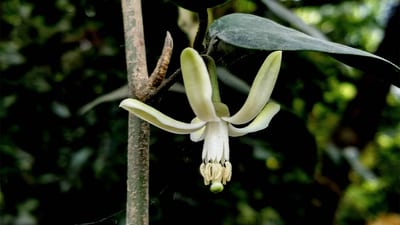
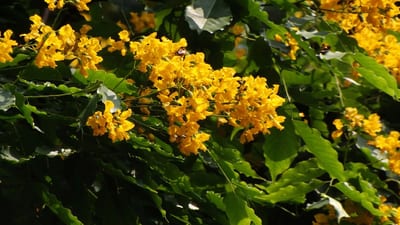
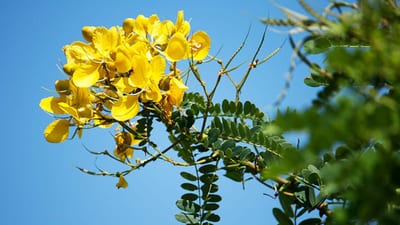
Indigofera trita is a small perennial shrub native to Sri Lanka, known locally as Wal averiya. It belongs to the Fabaceae family, the pea and legume group that includes many nitrogen-fixing shrubs and trees found across the island.
What does Indigofera trita look like?
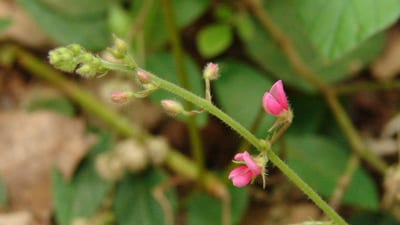
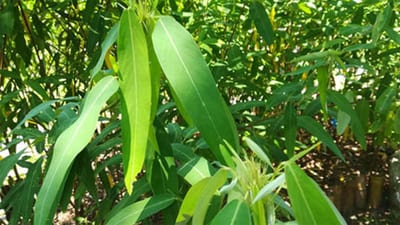
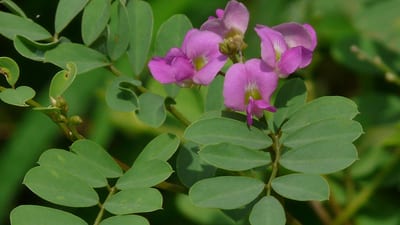
Indigofera trita is a suffrutescent (semi-woody at the base) perennial that grows to about 1 metre tall. Its leaves are pinnately 3-foliate, with oblong to obovate leaflets measuring roughly 5-10 mm (occasionally up to 26 mm) long and 1.5-10 mm (occasionally up to 20 mm) wide. The leaflet tips are obtuse or slightly notched, the upper surface is glabrous to nearly hairless, and the underside carries fine appressed hairs.
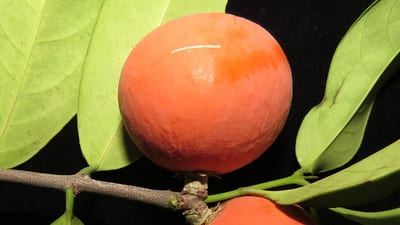
The flowers are arranged in axillary, spike-like racemes that sit close to the stem, with salmon or brick-red blooms. The fruit is a straight, linear pod with a spine-like tip, containing 6 to 10 seeds.
Where does Indigofera trita grow?
Indigofera trita is recorded as native to Sri Lanka. No other distribution details are documented for this species.
What is its conservation status?
Under the National Conservation Status list of Sri Lanka (2012), Indigofera trita is assessed as Least Concern (LC). This indicates the species is not currently considered at risk of extinction within the country.
What is it called in Sinhala?
In Sinhala, Indigofera trita is known as Wal averiya (වල් අවරිය). Its English common name is Asian indigo.
Is Indigofera trita edible?
No edible parts are recorded for this species, and it should not be consumed.
| Attribute | Recorded detail |
|---|---|
| Scientific name | Indigofera trita |
| Family | Fabaceae |
| English name | Asian indigo |
| Sinhala name | Wal averiya (වල් අවරිය) |
| Status in Sri Lanka | Native |
| Conservation status | LC (NCS-2012) |
| Edible parts | None |
| Habit | Suffrutescent perennial, to about 1 m tall |
| Leaves | Pinnately 3-foliate; leaflets oblong to obovate, 5-10 (-26) x 1.5-10 (-20) mm |
| Inflorescence | Axillary, spicate-racemose, subsessile; flowers salmon or brick-red |
| Fruit | Linear, straight, spiniform at apex, 6-10 seeded |
Other species in this genus
6 more, sharing the same genus.