


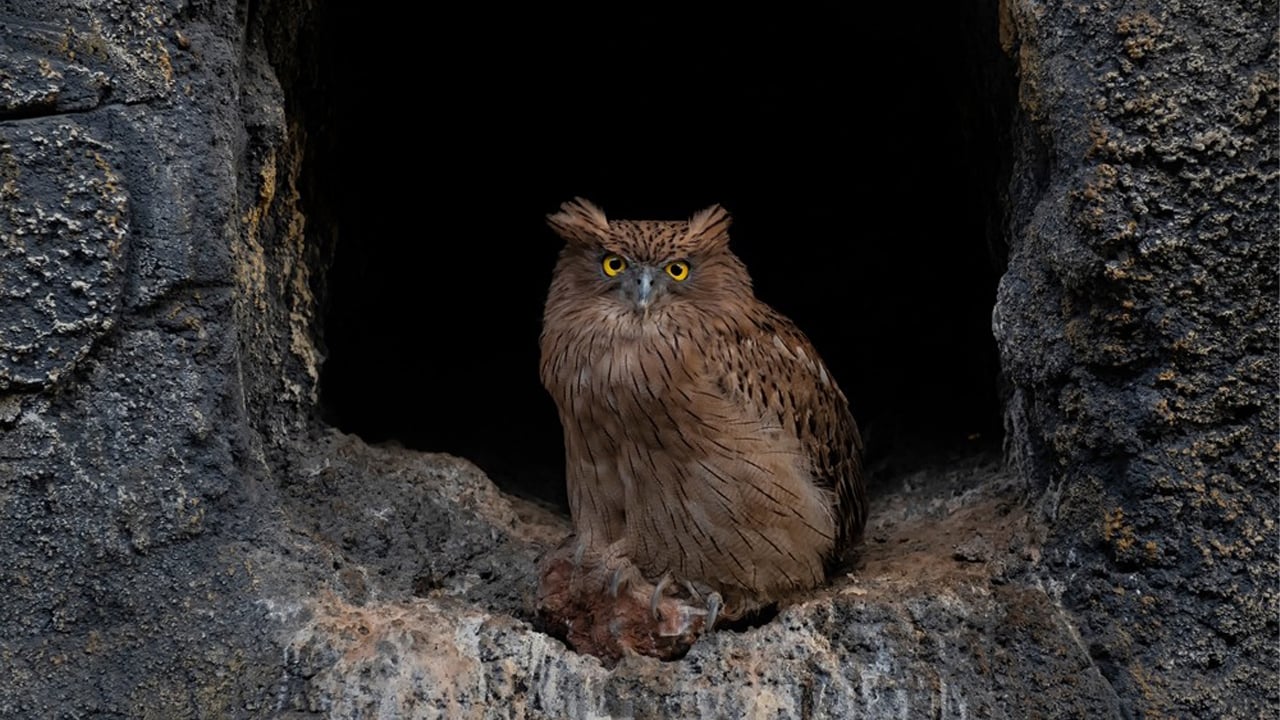


Horowpathana National Park sits in the North Central Province of Sri Lanka, tucked away from the well-worn safari circuits that feed visitors into Yala or Minneriya. That relative obscurity is precisely its appeal. The park protects a representative sweep of Sri Lanka's dry-zone ecology — open grasslands, scrub forest, and seasonal wetlands — and does so largely free of the jeep convoys that crowd more famous parks on a weekend morning.
What kind of landscape and wildlife can I expect at Horowpathana?
The park's terrain is classic North Central dry zone: broad grassy plains dotted with thorny scrub, interrupted by shallow tanks and seasonally flooded lowlands. These water bodies are the ecological heartbeat of the park. During the dry months they concentrate wildlife in predictable ways, making it easier to observe animals without venturing deep into dense forest.
Sri Lankan elephants move through the park in small herds, often tracked along the edges of grassland and wetland. Spotted deer and barking deer are common, as are wild boar, which root through the scrub at dawn and dusk. Predators are present but rarely seen — as with most dry-zone parks, patience and an early start improve your chances considerably.
The birdlife is a serious draw. Waterbirds — painted storks, open-billed storks, lesser adjutants, and several egret species — gather at the seasonal tanks. Raptors including the crested serpent eagle and changeable hawk-eagle hunt the forest margins. The park is also good habitat for Sri Lanka's endemic dry-zone species, so birders who have already worked the wetter forests of Sinharaja Forest Reserve will find a complementary checklist here.
How does Horowpathana compare to other North Central parks?
The North Central Province holds several protected areas in relatively close proximity — Wilpattu to the west, Kaudulla and Minneriya to the south-east, and Wasgamuwa beyond that. Horowpathana occupies a quieter niche. It lacks the developed infrastructure of Wilpattu National Park — no permanent lodges sit inside the boundaries, and the track network is limited — but that also means visitor numbers are low and wildlife encounters feel genuinely unscripted.
The park is best understood as a complement to, rather than a replacement for, the larger reserves nearby. Travellers spending several days in the Anuradhapura area can add a half-day or full-day visit to Horowpathana without significant detour, and will likely have the wildlife and the landscape to themselves.
When is the best time to visit Horowpathana National Park?
The dry season, roughly May through September, is the recommended window. As the shallow tanks shrink, mammals and birds concentrate along the remaining water, which makes sightings more reliable and photography more rewarding. Elephant herds are particularly active around water sources during the driest part of the dry season, typically August to September.
The wetter months (roughly October through January) see heavy rain from the second inter-monsoon and the north-east monsoon. Tracks become difficult, and many animals disperse into the forest where rainfall sustains standing water across a wider area. Access is possible in the shoulder months but conditions vary and it is worth checking road status before travelling.
How do I get to Horowpathana National Park?
Anuradhapura is the most practical base, lying roughly 50 km to the south-west. The sacred city is well connected by rail and road from Colombo and other major towns, and private drivers can arrange the onward transfer to the park gates. Horowpathana town itself — the nearest settlement — sits on the A29 road and serves as the logical staging point for a morning entry.
There is no public transport directly to the park entrance, and the internal tracks require a four-wheel-drive vehicle. Arranging a jeep with a local guide is strongly advisable; the park is not well signed and an experienced guide will substantially improve your wildlife-spotting chances. If you are combining the visit with the ancient city of Polonnaruwa, the drive from there is around 80 km via the A11 road.
What facilities are available inside the park?
Horowpathana is a working conservation area rather than a developed tourism destination. There are no restaurants, lodges, or paved viewing platforms inside the park. Visitors should carry their own food, water, and any supplies needed for the duration of the visit. Accommodation is available in Horowpathana town and in Anuradhapura, which offers a wider range of hotels and guesthouses.
Entry is managed by the Department of Wildlife Conservation. Permits are required and are typically arranged through a registered tour operator or at the park gate, subject to availability and current DWC regulations. It is advisable to confirm access arrangements in advance, particularly during peak season.
Why does Horowpathana matter ecologically?
Beyond its appeal to wildlife enthusiasts, the park performs practical ecological services for the surrounding landscape. The wetlands help regulate the local water table, which benefits agricultural land used by communities on the park's periphery. The dry-zone forests store carbon and provide a buffer against soil erosion in a region where rainfall is highly seasonal.
The park also contributes to elephant corridor connectivity. Sri Lankan elephants range over large territories, and protected areas like Horowpathana — however modest in profile — play a role in allowing animals to move between larger forest blocks without being pushed into conflict with human settlements. Conservation organisations working on human-elephant coexistence in the North Central Province treat the park as an important piece of the landscape mosaic.
What else can I do in the Horowpathana area?
The North Central Province is one of Sri Lanka's richest regions for history and archaeology. Anuradhapura, a UNESCO World Heritage Site and one of the ancient capitals of Sri Lanka, is within easy reach and merits at least a full day. The ancient city of Polonnaruwa is roughly two hours by road and can be combined on a longer itinerary.
Wildlife-focused travellers might also consider Kaudulla National Park, known for large elephant gatherings during its own dry season, or extend south towards Wasgamuwa, which protects a significant elephant population along the Mahaweli River corridor. Each park has a distinct character and combining two or three on a single trip through the North Central and Central Provinces is manageable with a private vehicle.
Nearby places
8 places within about 25 km, nearest first.
- Hindu Sites9 km
- Pandaravanniyan Memorial13 km
- Padaviya13 km
- Nedunkeni15 km
- Mamaduwa17 km
- Padaviya Wewa18 km
- Pandiyankulam18 km
- Thunukkai20 km
Related reading
8 pages on closely related subjects.


