Gloriosa superba, known in English as the glory lily and in Sinhala as Niyangala (නියඟලා), is a climbing perennial native to Sri Lanka. It belongs to the family Colchicaceae and is recorded in Sri Lanka's indigenous plant registers under a Least Concerned national conservation status.
What does Niyangala look like?
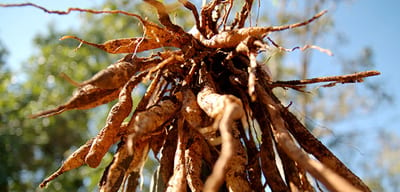
Gloriosa superba is a semi-woody, herbaceous, branching climber that can reach up to about 5 m in height. One to four stems rise from a single V-shaped, fleshy, cylindrical tuber. The leaves are sessile, 5-15 cm long and 4-5 cm wide.
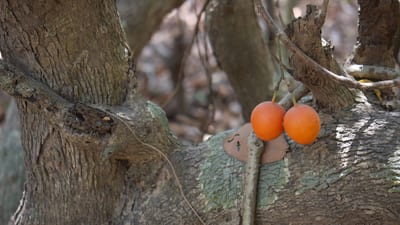
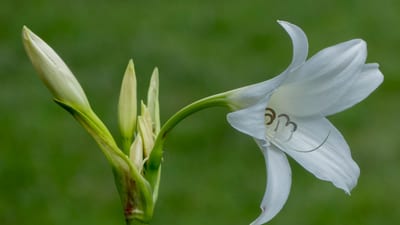
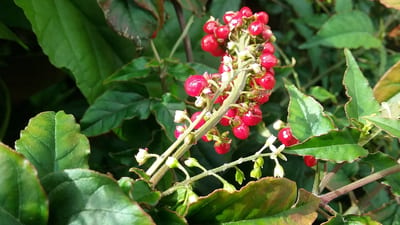
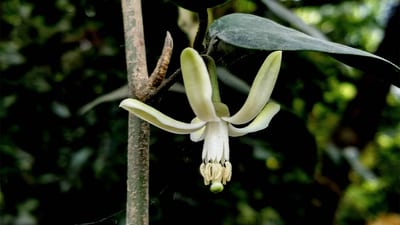
Its flowers are distinctive, measuring 6-10 cm long and 1-2.5 cm wide, with colouring that ranges from bright red with yellow margins to very pale yellow forms marked with a mauve or purple stripe. Pale white-flowered forms also occur. The fruit is 6-12 cm long and 2-2.5 cm in diameter, containing about 20 globose, red seeds.
Where does Gloriosa superba grow?
The species is native to Sri Lanka, where it grows as a climber scrambling over other vegetation using tendril-tipped leaves, a habit typical of many members of the Colchicaceae family. Members of this family are perennial, often tuberous herbs found widely across the tropics and subtropics of Africa and Asia.
What is its conservation status?
Under the National Conservation Status list of Sri Lanka (2012), Gloriosa superba is assessed as Least Concerned, indicating it is not currently considered at risk within the country.
What is it called in Sinhala and Sanskrit?
In Sinhala the plant is known as Niyangala (නියඟලා). In Sanskrit it is recorded as Langalii. These names refer to the same species described in this profile.
Can any part of Gloriosa superba be eaten?
No part of this plant is recorded as edible. The species is well known to be poisonous and must not be eaten.
| Attribute | Record |
|---|---|
| Scientific name | Gloriosa superba |
| Family | Colchicaceae |
| English name | Glory lily |
| Sinhala name | Niyangala (නියඟලා) |
| Sanskrit name | Langalii |
| Status in Sri Lanka | Native |
| Conservation status | Least Concerned (NCS 2012) |
| Edible parts | None |
| Growth form | Semi-woody, herbaceous, perennial, branching climber, up to about 5 m |
| Leaves | Sessile, 5-15 cm long, 4-5 cm wide |
| Flowers | 6-10 cm long, 1-2.5 cm wide; red with yellow margins to pale yellow with mauve/purple stripe; white forms occur |
| Fruit | 6-12 cm long, 2-2.5 cm diameter, about 20 seeds |
| Seeds | Globose, red |