Cynometra zeylanica is a tree species in the family Fabaceae, found naturally only in Sri Lanka. Known in Sinhala as Gal mandora (ගල් මැන්ඩෝරා), it is recorded with a near threatened conservation status and no known edible parts.
What does Cynometra zeylanica look like?
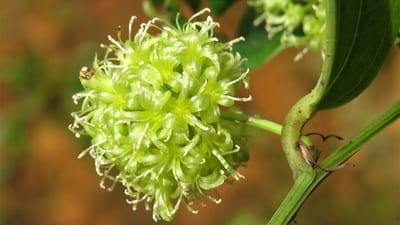
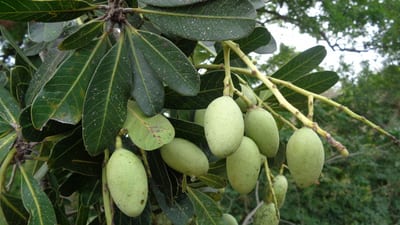
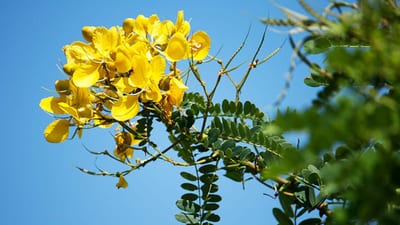
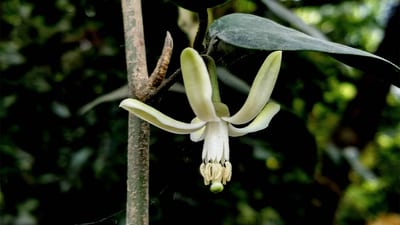
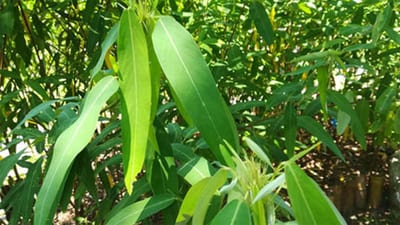
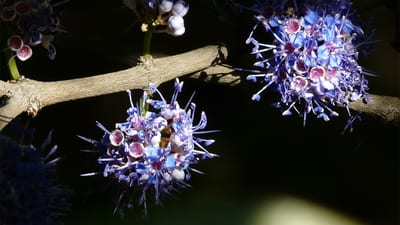
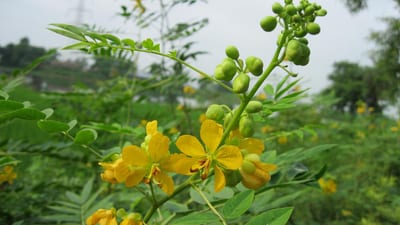
Cynometra zeylanica grows as a tree up to about 25 metres tall. Its leaves each carry a single pair of leaflets that are sessile, oblique-oblong in shape, and measure roughly 5 to 13 cm long by 2 to 4 cm wide. The leaflet tips are acute to subacuminate, the bases are asymmetrical, and both surfaces are glabrous (hairless) and glossy. Flowers are borne in axillary inflorescences, arising from the points where leaves meet the stem. The fruit is subglobose to ovoid in shape, brown when mature, and contains a single seed.
Where does Cynometra zeylanica grow in Sri Lanka?
As an endemic species, Cynometra zeylanica occurs naturally only within Sri Lanka and nowhere else in the wild. It belongs to the Fabaceae (legume) family, one of the largest plant families worldwide, many members of which are trees or shrubs adapted to tropical and subtropical regions.
What is its conservation status?
Under the National Conservation Status list of Sri Lanka (2012), Cynometra zeylanica is classified as near threatened. This designation indicates a species that does not yet qualify as threatened but is close to meeting the criteria, warranting continued monitoring.
What is it called in Sinhala?
The species is known locally as Gal mandora (ගල් මැන්ඩෝරා), a name used in Sri Lankan botanical records to identify this tree distinctly from other native flora.
Can any part of it be eaten?
No edible parts are recorded for Cynometra zeylanica. It should not be considered a food source.
| Attribute | Recorded detail |
|---|---|
| Scientific name | Cynometra zeylanica |
| Family | Fabaceae |
| Sinhala name | Gal mandora (ගල් මැන්ඩෝරා) |
| Status in Sri Lanka | Endemic |
| Conservation status | Near threatened (NCS 2012) |
| Edible parts | None |
| Height | Up to about 25 m |
| Leaves | 1 pair of leaflets, sessile, oblique-oblong, 5–13 x 2–4 cm |
| Inflorescence | Axillary |
| Fruit | Subglobose-ovoid, brown, 1 seeded |
Other species in this genus
2 more, sharing the same genus.