Chionanthus zeylanica is a native Sri Lankan shrub or small tree belonging to the olive family, Oleaceae. It is listed as Vulnerable on the National Conservation Status list of Sri Lanka (2012), and no part of the plant is recorded as edible.
What does Chionanthus zeylanica look like?
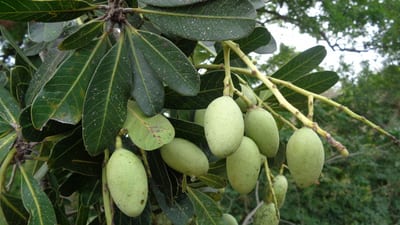
This species grows as a shrub or tree reaching up to 9 metres in height. The leaves are opposite, simple, hairless (glabrous), leathery (coriaceous) in texture, and have smooth, untoothed margins. Each leaf blade is elliptic-oblong to oblanceolate or shortly obovate in shape, typically 5 to 7 cm long and 2.5 to 3.5 cm wide, though sizes can range from 3 to 9 cm in length and 1.5 to 4 cm in width. The base of the leaf narrows gradually into the petiole, while the tip is blunt, shortly tapered to a point, or occasionally rounded.
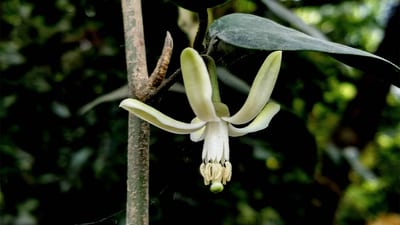
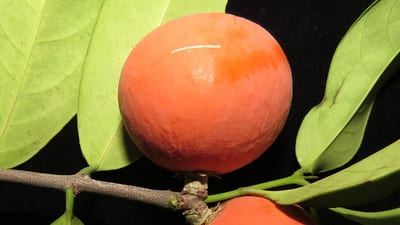
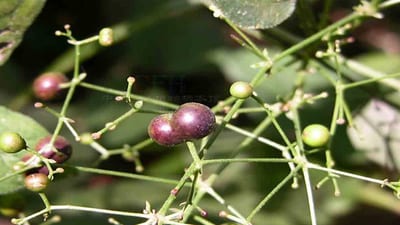
Flowers are white and arranged in axillary dichasial inflorescences, a branching cluster pattern typical of many members of the olive family. The fruit is a fleshy drupe, slightly pear-shaped, and turns blue-black when ripe.
Is Chionanthus zeylanica native or endemic to Sri Lanka?
The species is recorded as native to Sri Lanka. Being native means it occurs naturally on the island, though this status alone does not confirm whether it is also found in other countries.
What is its conservation status?
Under the National Conservation Status list of Sri Lanka (2012), Chionanthus zeylanica is classified as Vulnerable. This designation indicates the species faces a meaningful risk of decline in the wild and warrants careful conservation attention.
Can Chionanthus zeylanica be eaten?
No edible parts are recorded for this species. It should not be considered a food plant.
Recorded facts at a glance
| Attribute | Detail |
|---|---|
| Scientific name | Chionanthus zeylanica |
| Family | Oleaceae |
| Status in Sri Lanka | Native |
| Conservation status | Vulnerable (NCS 2012) |
| Edible parts | None |
| Growth form | Shrub or tree to 9 m high |
| Leaves | Opposite, simple, glabrous, coriaceous, entire; elliptic-oblong to oblanceolate or obovate, (3-)5-7(-9) x (1.5-)2.5-3.5(-4) cm |
| Inflorescence | Axillary, dichasial, flowers white |
| Fruit | Fleshy drupe, slightly pyriform, blue-black when ripe |