Atalantia monophylla is a thorny shrub or small tree of the citrus family, Rutaceae, native to Sri Lanka. It is known locally as Apassu or Dodampana and is recorded with a conservation status of Least Concerned under the National Conservation Status list of Sri Lanka (2012). The species produces small citrus-like fruit but has no recorded edible parts.
What does Atalantia monophylla look like?
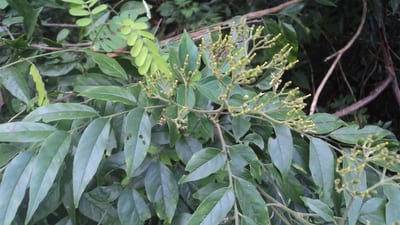
It grows as a small tree reaching up to 10 metres in height, armed with spines up to 2 cm long, a trait typical of many woody members of the Rutaceae family. Leaves are 3-15 cm long and 2-4.5 cm (occasionally to 6 cm) wide, each carried on a short petiole of 5-10 mm.
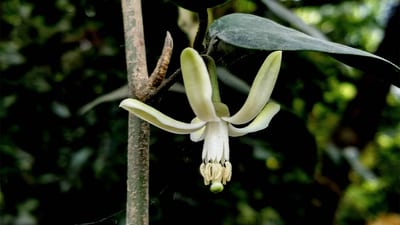
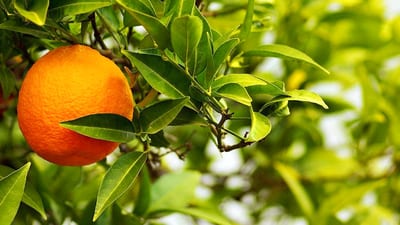
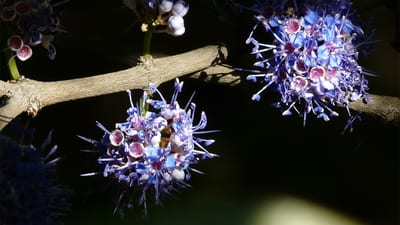
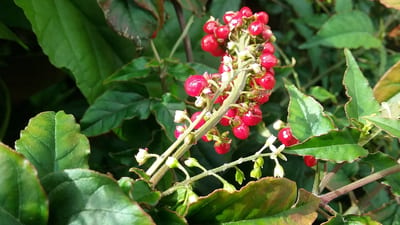
Flowers are borne in clustered axillary racemes 6-15 cm long, each flower with 4-5 white petals. The fruit is globose, up to 2 cm in diameter, ripening yellowish-green with a pericarp marked by glandular dots, and contains a small number of seeds.
Is Atalantia monophylla edible?
No edible parts are recorded for this species. The fruit should not be regarded as a food source.
What is its conservation status in Sri Lanka?
Atalantia monophylla is native to Sri Lanka and is listed as Least Concerned on the National Conservation Status list of Sri Lanka (2012), indicating it is not currently considered at risk at a national level.
What is Atalantia monophylla called in Sinhala?
In Sinhala the species is known by two local names, Apassu (අපස්සු) and Dodampana (දොඩම්පනා), both referring to the same plant within Sri Lanka's native flora, a subject covered more broadly on Lakpura's nature pages.
| Attribute | Record |
|---|---|
| Scientific name | Atalantia monophylla |
| Family | Rutaceae |
| Sinhala / local names | Apassu (අපස්සු), Dodampana (දොඩම්පනා) |
| Status in Sri Lanka | Native |
| Conservation status | Least Concerned (NCS 2012) |
| Edible parts | None |
| Habit | Small tree, to 10 m, spines to 2 cm |
| Leaves | 3-15 cm x 2-4.5 (-6) cm; petiole 5-10 mm |
| Inflorescence | Axillary racemes, clustered, 6-15 cm long |
| Flowers | 4-5 white petals |
| Fruit | Globose, yellowish-green, to 2 cm diameter, glandular-dotted pericarp, few seeds |
Other species in this genus
1 more, sharing the same genus.