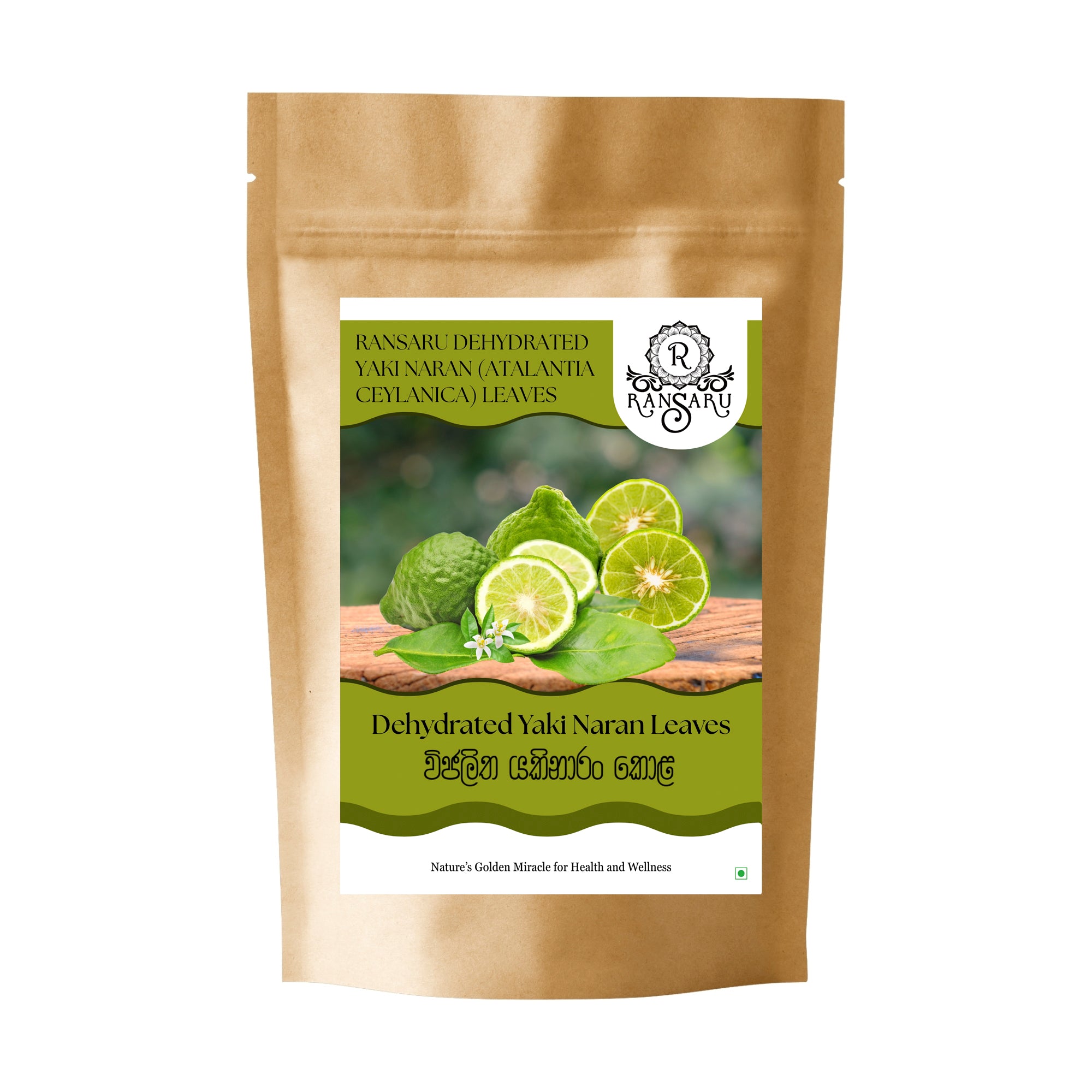




Atalantia rotundifolia is a small, thorny shrub belonging to the Rutaceae family — the same botanical family as citrus trees. Native to South and Southeast Asia, it grows across the dry and intermediate zones of Sri Lanka, where it has been recognised for centuries as a plant with meaningful medicinal value. In the island's long tradition of Ayurvedic herbalism, Atalantia rotundifolia occupies a specific place in the catalogue of indigenous healing plants catalogued by Sri Lanka's Department of Ayurveda.
What is Atalantia rotundifolia and how is it classified?
Botanically, Atalantia rotundifolia sits within the genus Atalantia, a grouping of evergreen shrubs and small trees distributed across tropical Asia. The species name rotundifolia refers to the characteristically rounded leaves — rotundi meaning round, folia meaning leaf. The plant bears small white flowers with a faint citrus fragrance and produces tiny, rounded fruits that ripen from green to orange-yellow.
In Sri Lanka, the broader Atalantia genus is represented by closely related species, most notably Atalantia ceylanica, which is commonly known as Yaki Naran. Atalantia rotundifolia shares many of the same phytochemical characteristics and is catalogued alongside its relatives in Ayurvedic formularies used by traditional physicians (vaidyas) across the island.
What are the traditional Ayurvedic uses of Atalantia rotundifolia?
Sri Lanka's Ayurvedic tradition draws on a rich pharmacopoeia of forest and garden plants, and Atalantia species have long been valued in this system. The leaves, bark, and roots of plants within this genus contain alkaloids, flavonoids, and essential oils that form the basis of their traditional applications.
- Respiratory support: Preparations from the leaves have traditionally been used to address bronchial conditions and mild respiratory discomfort.
- Rheumatic complaints: Bark extracts have featured in Ayurvedic treatments aimed at managing joint pain and inflammation, a use shared with related species documented in Sri Lankan herbal texts.
- Fever management: The plant's bitter compounds have been applied in traditional formulations intended to reduce fever.
- Skin conditions: Topical preparations using the leaves or oil derived from related species appear in regional herbal practice.
- Digestive health: As a Rutaceae member, the plant carries aromatic compounds that traditional practitioners associate with digestive support.
It is worth noting that these represent traditional applications documented within Ayurvedic literature. Anyone considering use of this or any medicinal plant for health purposes should consult a qualified Ayurvedic physician.
Where does Atalantia rotundifolia grow in Sri Lanka?
The plant is typically found in the dry lowland scrub forests and secondary vegetation of Sri Lanka's North Central, Northern, and Eastern regions. It tolerates poor, rocky soils and dry conditions, often appearing as undergrowth in areas where larger canopy trees have been cleared or thinned. Related Atalantia species can also be found within protected areas such as Wilpattu National Park, where the dry scrub habitat provides ideal growing conditions.
The plant's tolerance of arid environments has historically made it more accessible to communities in the island's dry zone, where Ayurvedic practitioners have incorporated locally sourced plants into their practice for generations.
How does Atalantia rotundifolia relate to Yaki Naran (Atalantia ceylanica)?
Yaki Naran — the Sinhala name most widely associated with Atalantia ceylanica — is the most commercially recognised member of this genus in Sri Lanka. Atalantia rotundifolia is a closely allied species sharing many of the same phytochemical constituents, and in traditional practice the two are sometimes used interchangeably, though botanical distinctions between them are recognised in formal taxonomy.
Interest in Yaki Naran and related Atalantia species has grown internationally alongside broader attention to South Asian medicinal plants. Dehydrated leaf preparations have become available as wellness products, reflecting a wider trend toward plant-based health support rooted in traditional knowledge systems.
What does current research say about Atalantia species?
Scientific interest in Atalantia species has increased over recent decades. Researchers have identified a range of biologically active compounds within the genus, including acridone alkaloids, coumarins, limonoids, and flavonoids. Studies published in journals of natural product research and pharmacognosy have examined these compounds for various biological activities, including antimicrobial and antioxidant properties.
Sri Lanka's own research institutions, including the Institute of Indigenous Medicine at the University of Colombo, contribute to the ongoing documentation and study of the island's medicinal plant heritage. This work helps bridge traditional knowledge with evidence-based understanding, supporting both conservation of botanical diversity and the responsible development of natural health products.
How is Atalantia rotundifolia used today?
In contemporary practice, Atalantia leaves — primarily from ceylanica and related species — are prepared as dehydrated products for use in herbal teas, poultices, and wellness formulations. The dried leaves can be brewed as an infusion or used in powdered form as an ingredient in compound preparations.
Sri Lanka's Ayurvedic industry, supported by government bodies such as the Department of Ayurveda, continues to catalogue and regulate the use of indigenous medicinal plants, ensuring that traditional knowledge is preserved and that products derived from these plants meet quality standards. Atalantia rotundifolia's inclusion in the official Sri Lankan Ayurvedic plant catalogue reflects its recognised status within this system.
What should travellers know about Sri Lanka's Ayurvedic plant heritage?
Sri Lanka's forests, wetlands, and home gardens harbour an extraordinary diversity of medicinal plants — a heritage shaped by over two millennia of documented Ayurvedic practice. Visitors with an interest in traditional medicine can explore this world through Ayurvedic centres, botanical gardens, and guided nature experiences. The Sinharaja Forest Reserve, a UNESCO World Heritage Site, is home to a significant proportion of Sri Lanka's endemic plant species, many of which have documented medicinal uses.
Understanding plants like Atalantia rotundifolia is part of appreciating the depth of Sri Lanka's relationship with its natural environment — a relationship that continues to inform both traditional healing and contemporary wellness.