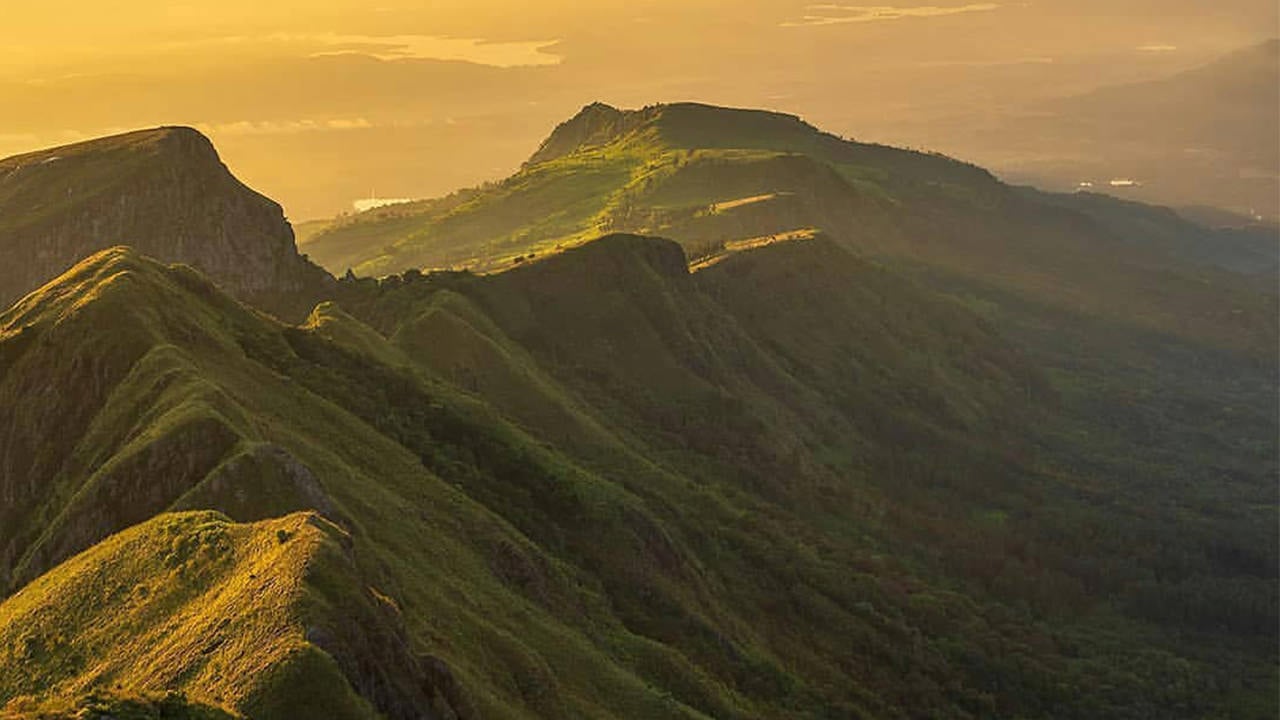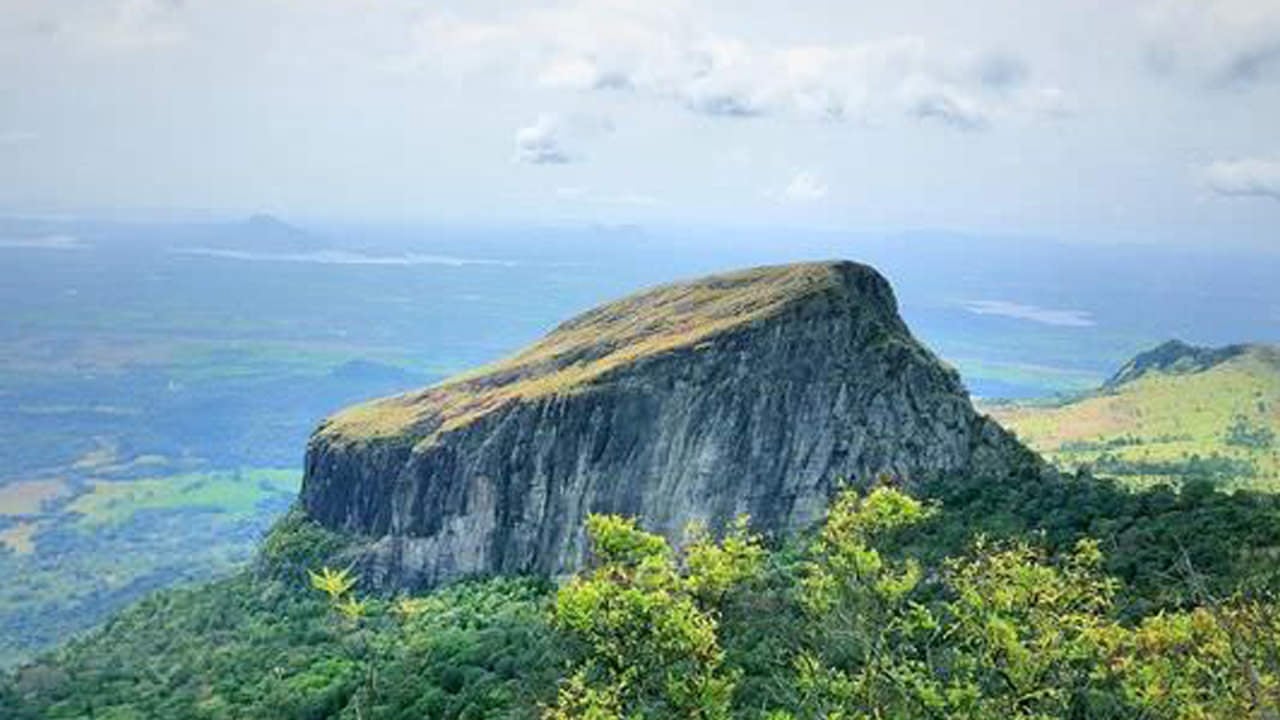

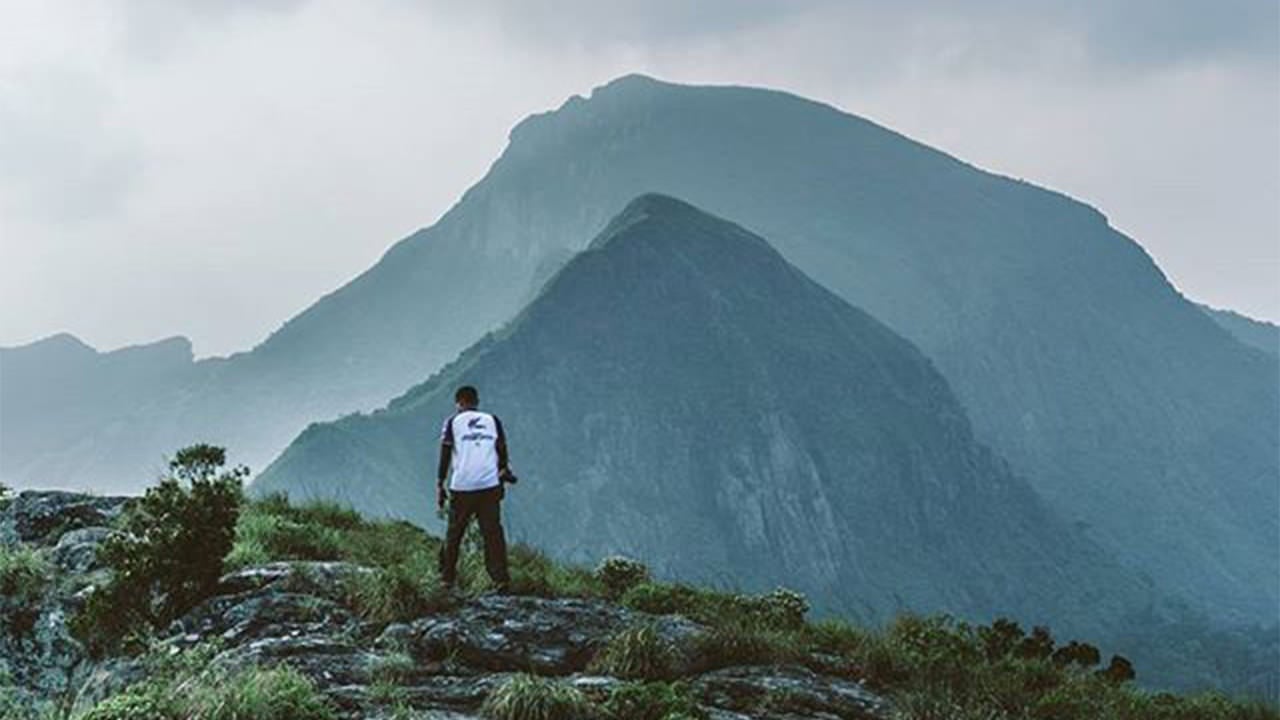
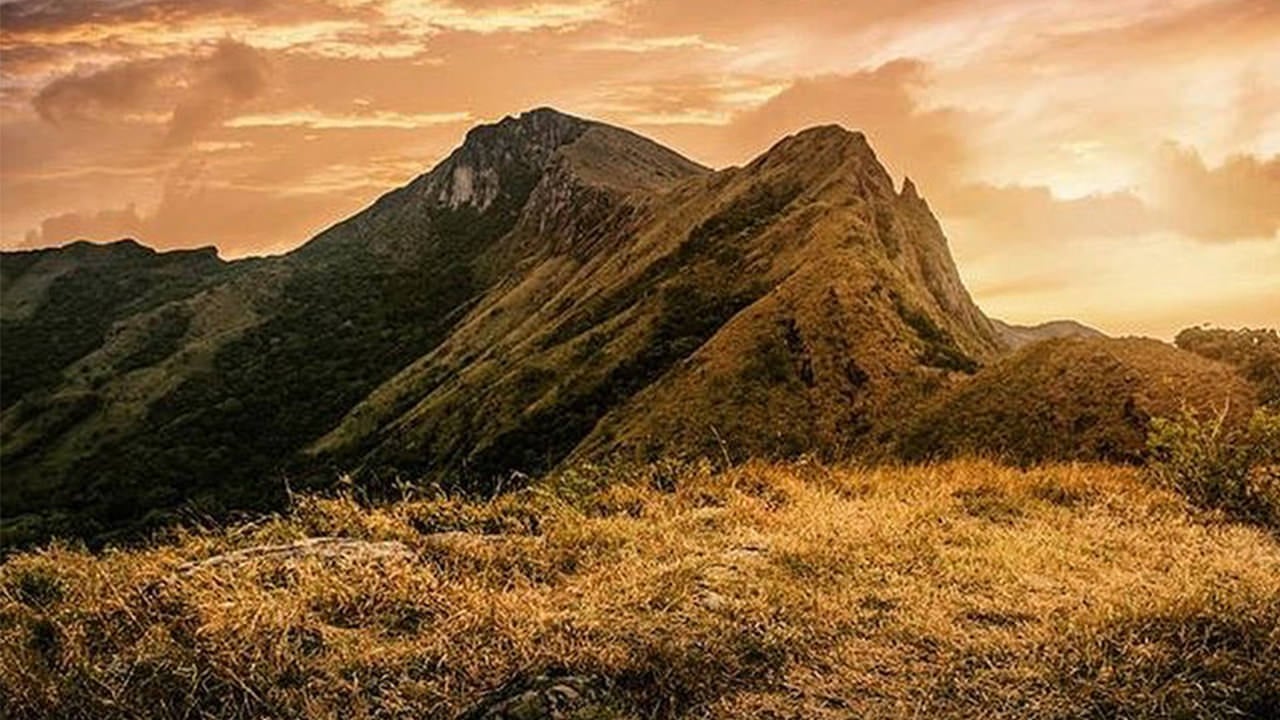
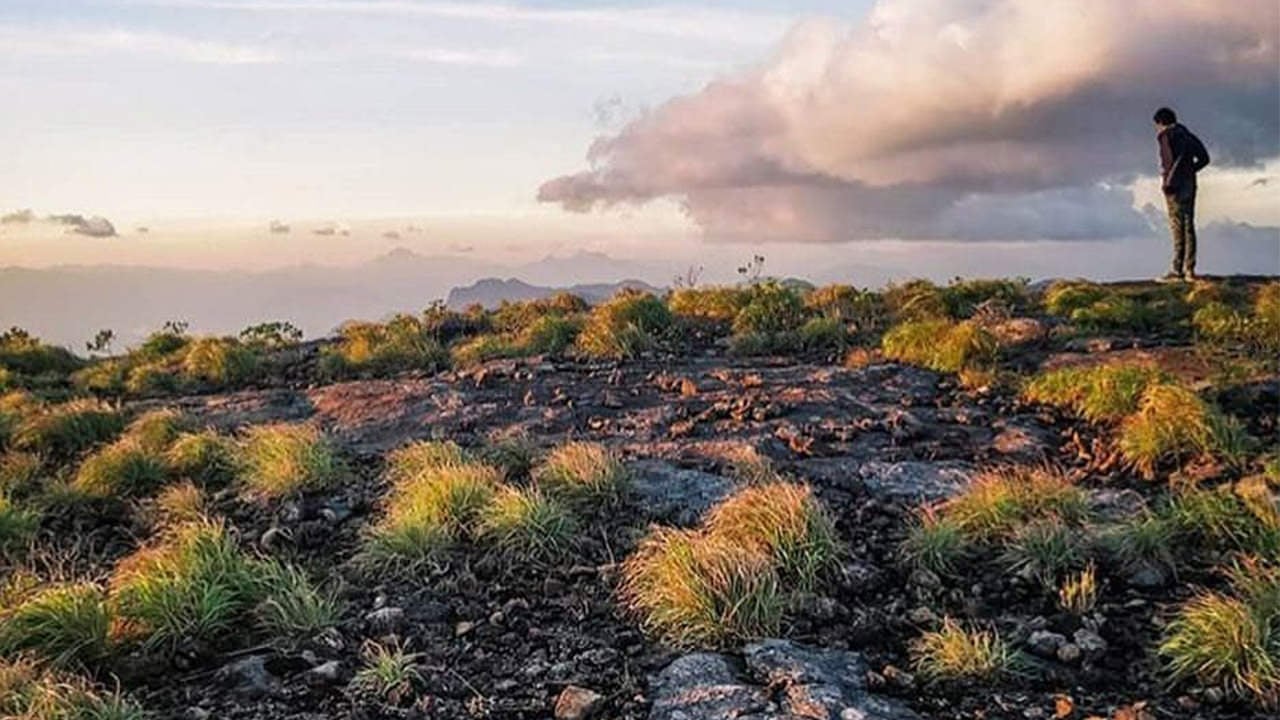
Yahangala is a solitary mountain rising 1,220 metres (4,003 ft) above sea level on the eastern fringe of the Knuckles Mountain Range, in the Kaluga area of Ududumbara. Less trafficked than the range's more publicised peaks, it rewards those who make the effort with dense montane forest, panoramic views across the central highlands, and an atmosphere that feels genuinely remote — even though Kandy lies only a few hours away by road.
Where exactly is Yahangala?
The mountain sits within the Ududumbara Divisional Secretariat in Kandy District, Central Province. It marks the eastern boundary of the Knuckles Mountain Range — a UNESCO-designated biodiversity hotspot — and overlooks the forested valleys that descend toward the Mahaweli River corridor. The nearest town of any size is Kandy, making it a feasible day trip for travellers already based there, though an overnight stay in the foothills adds considerably to the experience.
Access is typically via Kandy, heading northeast toward Ududumbara. Roads narrow as you approach the trailhead, and a four-wheel-drive vehicle is advisable, particularly in the wet season. The Kandy city tour is a practical first stop if you are arriving from Colombo and want to orient yourself before venturing into the highlands.
What is the legend of Yahangala?
Few mountains in Sri Lanka carry as much folkloric weight as Yahangala. Local tradition holds that the mountain is the resting place of King Ravana — the powerful ruler described in the ancient Sanskrit epic Ramayana — who sleeps within the rock until the time comes for him to return. The name itself is sometimes translated as "bed rock" or "resting rock," which local storytellers link directly to this sleeping-king narrative.
A second layer of belief concerns the deity Gale Bandara, a spirit associated with rocky outcrops and forested hills across the Kandyan highlands, who is said to guard the mountain. Villagers and experienced hikers alike treat Yahangala with a degree of reverence that goes beyond ordinary environmental ethics. Stories circulate — consistently enough to be taken seriously by locals — of unpleasant incidents befalling visitors who approach the mountain with disrespectful intent: encounters with elephants, wasp swarms, and venomous snakes, or simply becoming disoriented on trails that should be straightforward. Whether one interprets these as coincidence, the natural hazards of dense jungle, or something more, the practical message is clear: come with genuine respect for the environment and leave nothing behind.
Yahangala shares this Ravana association with Rawanagala, another prominent rock formation in the central highlands linked to the same legendary king, and the two sites together form an informal circuit for travellers interested in Sri Lanka's mythological geography.
What wildlife and ecosystems can I expect?
The slopes of Yahangala are cloaked in montane wet evergreen forest that grades into cloud forest near the upper reaches. This habitat type supports a disproportionately high number of endemic species relative to its area — a characteristic of the Knuckles Range as a whole.
- Birds: The range is one of the best birding destinations in Sri Lanka, with endemics such as the Sri Lanka Whistling Thrush, Dull-blue Flycatcher, and Yellow-eared Bulbul recorded on similar terrain within the Knuckles system.
- Mammals: Leopard, sambar deer, purple-faced langur, and porcupine are present in the broader forest block, though sightings require patience and quiet movement.
- Reptiles and amphibians: The Knuckles Range harbours numerous endemic amphibian species; streams and moist leaf litter along the trail are worth scanning carefully.
- Flora: Tree ferns, orchids, mosses, and pitcher plants appear at various elevations. The forest floor is dense and relatively undisturbed compared to more visited areas of the range.
Because wildlife is present and genuinely wild, hiking in small groups and keeping noise to a minimum improves both the experience and safety. The presence of elephants in the wider landscape — as in most forested areas of the Kandyan highlands — means standard jungle awareness applies: stay on marked trails, avoid dawn and dusk movement near vegetation corridors, and follow local guide advice.
How difficult is the hike to Yahangala?
The trail to the summit is considered moderately challenging. The climb is steep in places, and the route passes through dense jungle where the path can be indistinct, particularly after rain. A knowledgeable local guide is strongly recommended — both for navigation and for contextual knowledge of the flora, fauna, and local customs surrounding the site.
Hikers should be reasonably fit and comfortable on uneven, rooted terrain. Proper footwear with ankle support is essential. Leech socks are advisable during and after the southwest monsoon (roughly May to September), when leeches are active at all elevations in the Knuckles Range.
| Factor | Details |
|---|---|
| Summit elevation | 1,220 m (4,003 ft) |
| Difficulty | Moderate to challenging |
| Guide required | Strongly recommended |
| Best months | January–April, August–September |
| Starting point | Kaluga village, Ududumbara |
When is the best time to visit Yahangala?
The Knuckles Range receives rainfall from both the southwest monsoon (May–August) and the northeast monsoon (October–January), with the southwestern slopes typically wetter than the eastern side where Yahangala sits. The clearest skies and most settled weather on the eastern edge of the range tend to occur between January and April, and again briefly in August and September. Mornings are almost always clearer than afternoons, so an early start maximises summit visibility and reduces the chance of being caught in afternoon cloud.
Avoid visiting during prolonged heavy rain: trails become slippery, leeches multiply, and the spiritual atmosphere of the place — if you are sensitive to such things — is considerably less welcoming in a downpour.
How do I get to Yahangala from Kandy?
The most practical approach is by private vehicle from Kandy, heading through Hasalaka toward Ududumbara and then on to Kaluga. Public transport exists to Ududumbara but becomes infrequent beyond that point, and the final approach to the trailhead is not suited to a standard car in wet conditions. Arranging a dedicated transfer or private driver through a local operator removes the logistical uncertainty and allows you to set your own start time — important for an early departure.
What should I know before visiting?
- The mountain carries significant local spiritual importance. Behave respectfully, keep noise low, and do not disturb shrines, offerings, or natural features.
- Carry sufficient water and snacks; there are no facilities on the trail.
- Inform someone of your planned route and expected return time.
- Do not collect plants, insects, or rocks. Many species in the Knuckles Range are endemic and legally protected.
- The Makandawa Rainforest near Kithulgala offers a complementary forest experience if you are combining Yahangala with a broader Knuckles-region itinerary.
Nearby places
10 places within about 25 km, nearest first.
- Lighthouses4 km
- Dambana8 km
- Padiyathalawa9 km
- Indigenous People (Vedda)10 km
- Mahiyanganaya City10 km
- The village of Gala Muduna11 km
- Randenigala Dam11 km
- Seetha Kotuwa11 km
- Mahiyangana Vihara Stupa12 km
- Sorabora Lake14 km
Related reading
1 pages on closely related subjects.