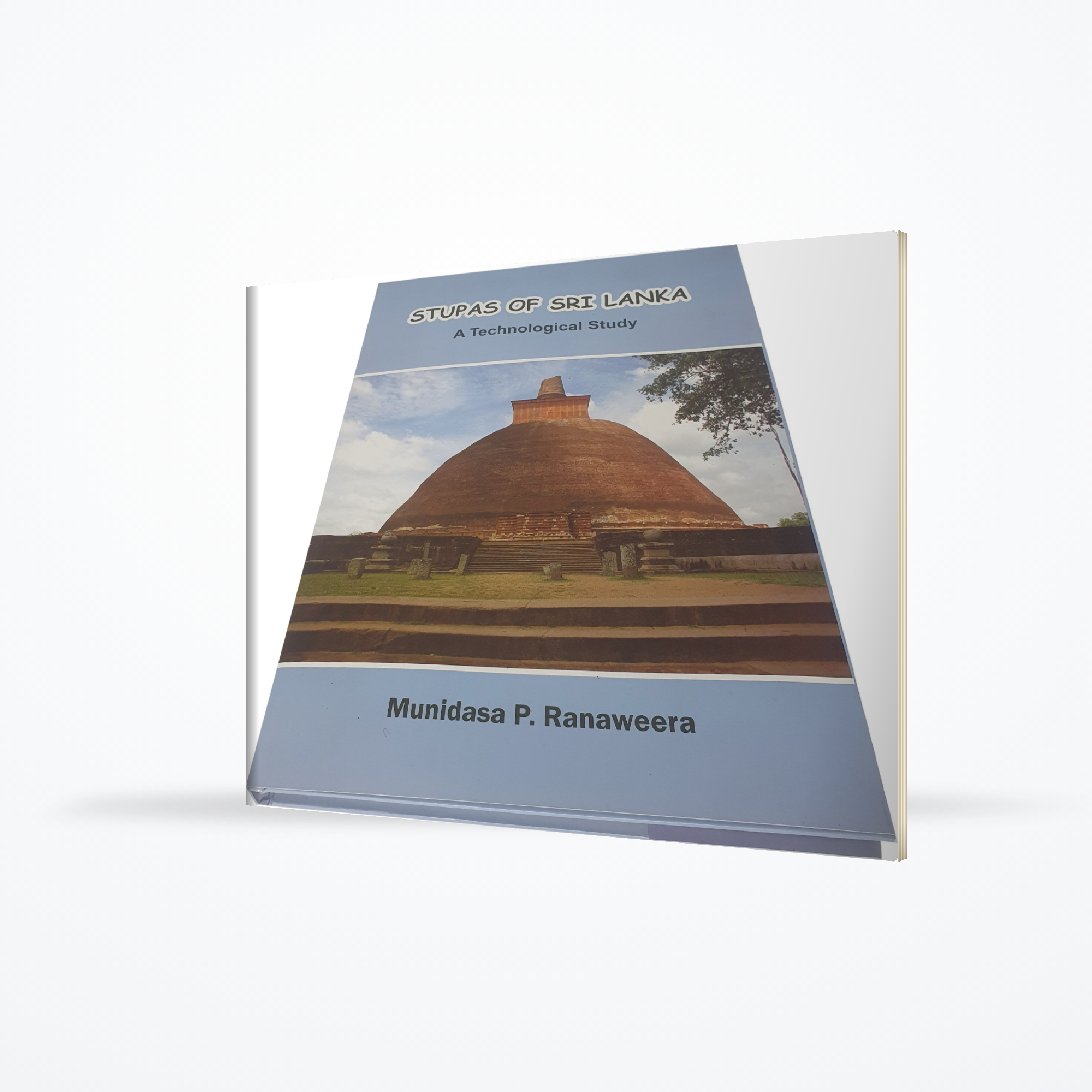
Mahiyangana Vihara Stupa stands apart from every other sacred monument in Sri Lanka. According to the Mahavamsa, Sri Lanka's ancient chronicle, this is the only stupa whose origins date to the lifetime of the Buddha himself — making it not just one of the oldest religious structures on the island, but one of the oldest Buddhist monuments anywhere in the world. The small town of Mahiyangana, set in the Uva hills at the edge of the Mahaweli River basin, has drawn pilgrims for more than two millennia because of it.
What is the history of Mahiyangana Vihara Stupa?
The Mahavamsa records that Sri Lanka was inhabited by Yaksha clans at the time of the Buddha's first visit to the island. A large community of Yakshas — a clan rather than supernatural beings in the chronicle's usage — lived in Mahiyangana. The Buddha visited them to preach the Dhamma, and their chieftain, Saman, attained Sotapanna (the first stage of liberation) after hearing his discourse. Overwhelmed with devotion, Saman requested a relic he could venerate in the Buddha's absence.
The Buddha offered a handful of hair relics from his head. Saman enshrined these within a small stupa just 10 feet (roughly 3 metres) in height — the first stupa ever built in Sri Lanka. After the Buddha's parinirvana, an Arahant named Sarabhu brought the left shoulder-bone relic recovered from the funeral pyre. This too was enshrined at Mahiyangana, and the stupa was enlarged to 18 feet (approximately 5.5 metres) to contain both relics.
The structure we see today is the product of centuries of royal patronage and renovation. King Dutugamunu, who reigned in the second century BCE, raised it dramatically to around 120 feet. Subsequent rulers — Voharikatissa, Sena II, Vijayabahu I, and Kirthi Sri Rajasinghe among them — each contributed to its upkeep and expansion. The most recent phase of restoration began in 1953 under a committee formed by D. S. Senanayake, independent Sri Lanka's first Prime Minister, and concluded in 1980 with the installation of a new pinnacle atop the stupa.
Why is Mahiyangana considered Sri Lanka's most ancient stupa?
The distinction rests on two factors. First, the Mahavamsa places the original consecration during the Buddha's own lifetime — before his parinirvana — which predates any other stupa tradition in South Asia. Second, the continuous presence of the hair relic, later joined by the shoulder-bone relic, gives Mahiyangana a doctrinal primacy that even larger and more famous stupas such as the Ruwanwelisaya in Anuradhapura cannot claim on chronological grounds alone. The site's authenticity is reflected in the reverence afforded to it by successive royal dynasties across more than 2,000 years.
For pilgrims visiting stupas across Sri Lanka, Mahiyangana is often the first stop on a circuit that moves through the Cultural Triangle and beyond, precisely because it is understood as the source from which the island's entire tradition of stupa veneration flows.
Who is Saman and why is he worshipped at Mahiyangana?
The Yaksha chieftain Saman, who received the hair relic from the Buddha, is now venerated as the deity Saman — one of the four guardian deities of Sri Lanka. His association with Mahiyangana is the oldest layer of his cult, but he is most prominently worshipped at Sabaragamuwa Saman Devalaya near Sri Pada (Adam's Peak). At Mahiyangana, a separate shrine within the temple complex is dedicated to him, and lay devotees commonly make offerings here alongside their stupa circumambulations.
What can you see and do at Mahiyangana Vihara today?
The stupa itself, gleaming white against the surrounding hills, is the centrepiece of a living temple complex that remains in active use every day. Visitors are welcome to walk the circumambulation path (pradakshina) around the stupa, observe or participate in puja ceremonies, and explore the adjacent shrine rooms and bodhi tree enclosure.
- The stupa: The current structure, completed with its new pinnacle in 1980, rises impressively and can be seen from considerable distance across the town.
- Shrine of deity Saman: Adjacent to the main stupa, the devalaya attracts both Buddhist pilgrims and devotees making votive offerings to the guardian deity.
- Sacred Bodhi tree: A mature specimen within the grounds is maintained as part of the temple's sacred landscape.
- Annual Perahera: Mahiyangana hosts a traditional procession (perahera) associated with the temple, typically during the Esala season. Check locally for exact dates, as these vary by year.
The town of Mahiyangana is also a practical base for exploring the Mahaweli River corridor, the nearby Randenigala Dam, and the highland forests of the Uva region.
When is the best time to visit Mahiyangana Vihara Stupa?
The stupa is accessible and open to visitors year-round. The surrounding Mahiyangana region sits in the dry zone's eastern fringe and receives most of its rainfall from the northeast monsoon (roughly October to January). The months from February to September tend to be drier and more comfortable for travel. Poya (full-moon) days draw the largest crowds of local pilgrims and offer the most atmospheric experience of temple life, though the complex will be significantly busier than on ordinary days.
If your itinerary includes the Cultural Triangle cities, Mahiyangana works well as a day extension from Polonnaruwa, which lies roughly 90 kilometres to the northwest.
How do I get to Mahiyangana from Colombo?
Mahiyangana is approximately 200 kilometres from Colombo by road, typically accessed via Kandy and then the Kandy–Mahiyangana road through the Knuckles foothills. The journey takes around four to five hours by private vehicle, depending on road and traffic conditions. Public bus services run from Kandy to Mahiyangana, though the route involves mountain roads and the journey can be slow. A private car or driver remains the most comfortable and flexible option for most visitors.
Those arriving from the east coast can approach via Ampara or Batticaloa, making Mahiyangana a natural stop on a cross-island itinerary.
What should visitors know before arriving?
- Dress modestly: shoulders and knees must be covered. Sarongs are available for hire near the entrance if needed.
- Remove shoes before entering the stupa platform and shrine rooms.
- Photography within the grounds is generally permitted, but always defer to signage or monk instructions near shrine interiors.
- There is no fixed entrance fee for lay visitors — the temple is freely open — though donations to the temple are customary and appreciated.
- The town of Mahiyangana offers basic guesthouses and a small selection of restaurants suitable for short stays.
Nearby places
9 places within about 25 km, nearest first.
- Sorabora Lake2 km
- Mahiyanganaya City3 km
- Indigenous People (Vedda)3 km
- Dambana5 km
- The village of Gala Muduna7 km
- Padiyathalawa10 km
- Yahangala12 km
- Lighthouses15 km
- Narangala21 km
Related reading
2 pages on closely related subjects.