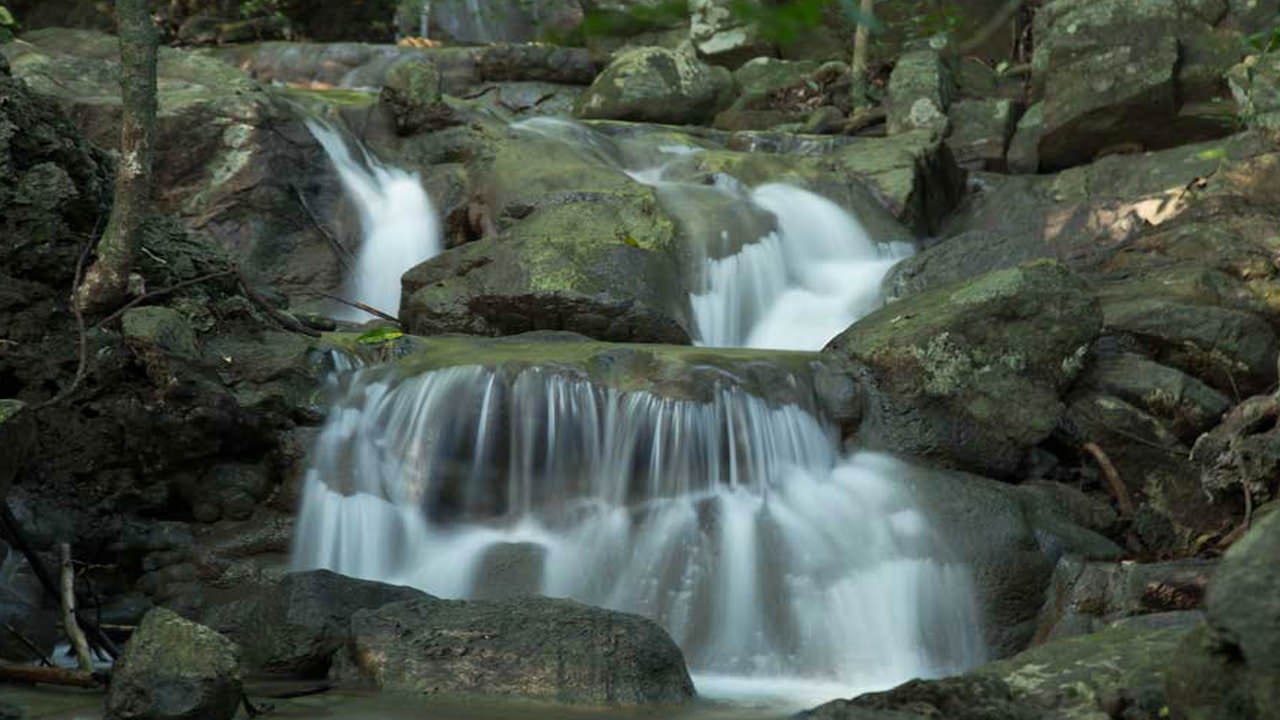
Seetha Kotuwa — literally "Fortress of Sita" — is an archaeological and mythological site nestled in the forested hills near Hasalaka, Gurulupotta, in Sri Lanka's Central Province. Positioned along the country's Ramayana Mawatha (Ramayana Trail), it draws both Hindu pilgrims and curious travellers who want to trace the geography of one of South Asia's defining epics. The surrounding landscape of dense forest canopy, streams, and small waterfalls makes the journey here as compelling as the destination itself.
What is the Ramayana connection to Seetha Kotuwa?
According to Valmiki's Ramayana and its Sri Lankan oral traditions, King Ravana abducted Princess Sita and brought her to Lanka, keeping her in a secluded court attended by handmaidens. Seetha Kotuwa is locally identified as that court — the compound where Sita was detained before being held at Ashoka Vatika (now associated with Sita Eliya, near Nuwara Eliya). The name itself encodes this belief: Kotuwa means fort or enclosure in Sinhala.
The broader region around Hasalaka is rich in Ramayana-linked place names. Tradition holds that the dense forests here once formed part of Lankapura, the island kingdom ruled by Ravana, and that the terrain's waterfalls and streams fed the palace gardens described in the epic. While the ruins visible today belong to later historical civilisations rather than any legendary era, the site remains a significant stop on Sri Lanka's pilgrimage circuit for devotees of the Ramayana narrative.
What can visitors see at Seetha Kotuwa?
The site is set in a remote clearing surrounded by tropical forest. Visitors typically encounter:
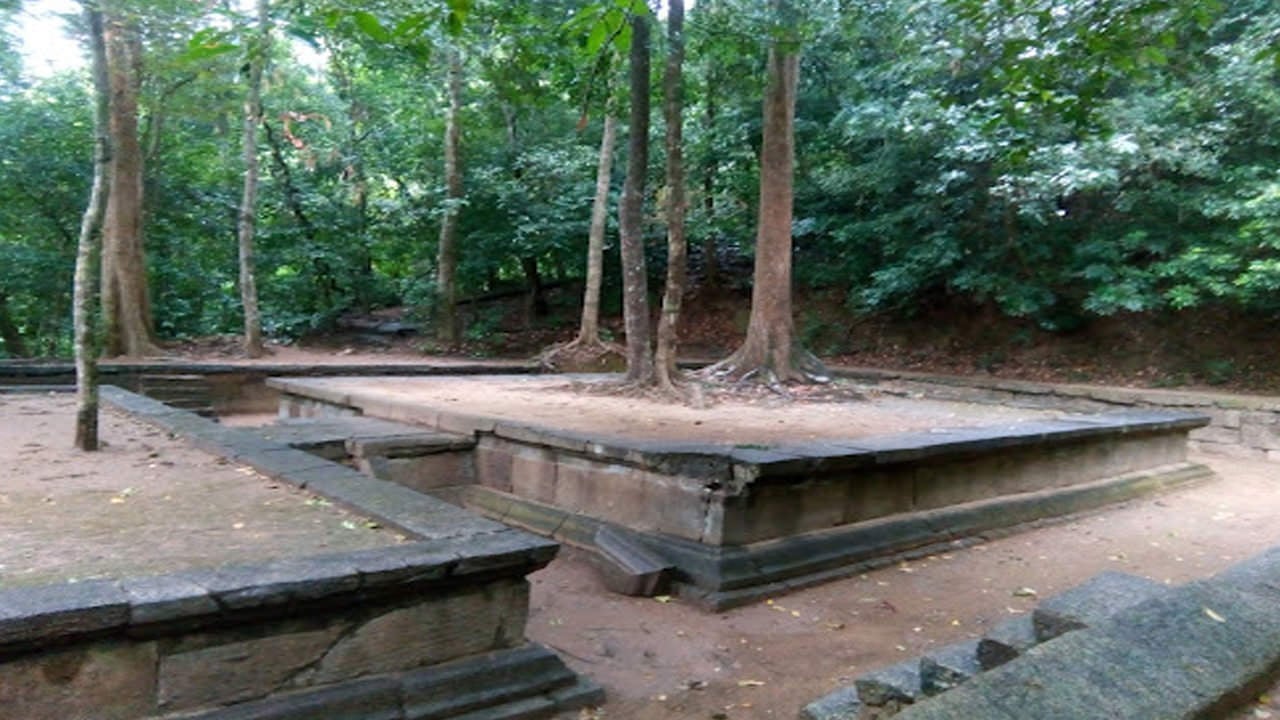
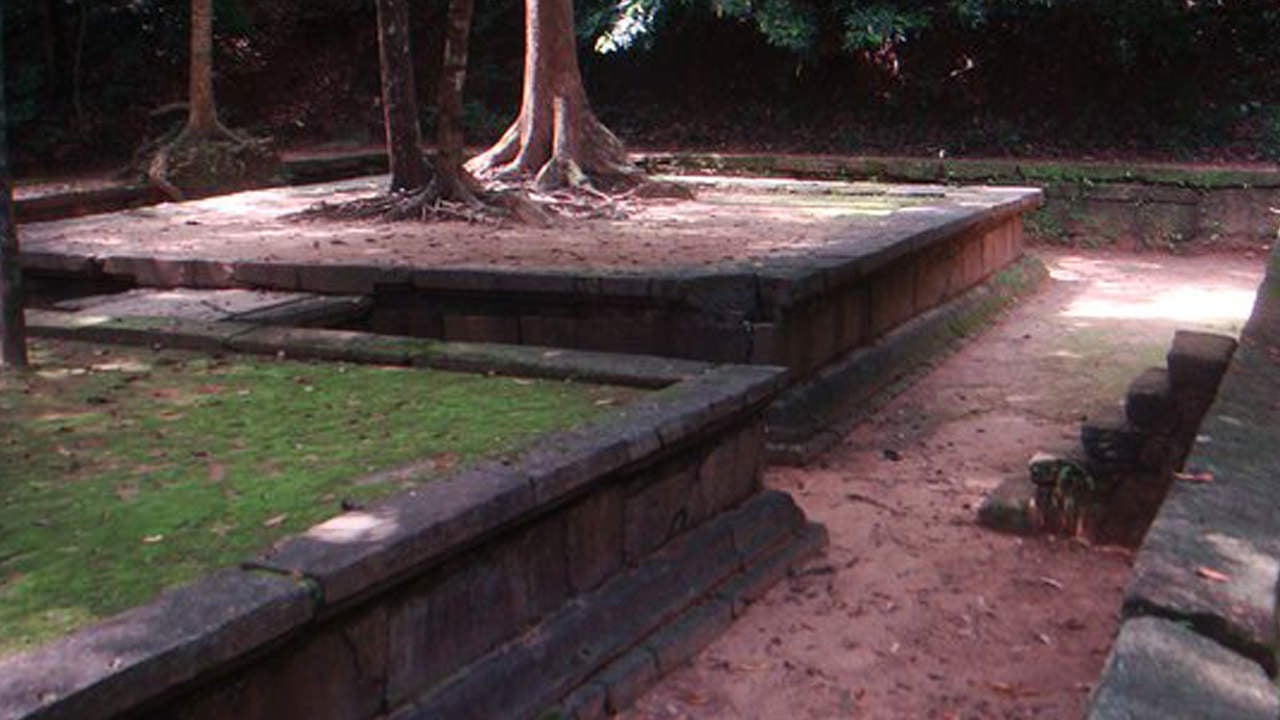
- Stone remnants and foundation ruins associated by local tradition with Sita's courtyard
- A small shrine maintained by the local community, where offerings are made to Sita Devi
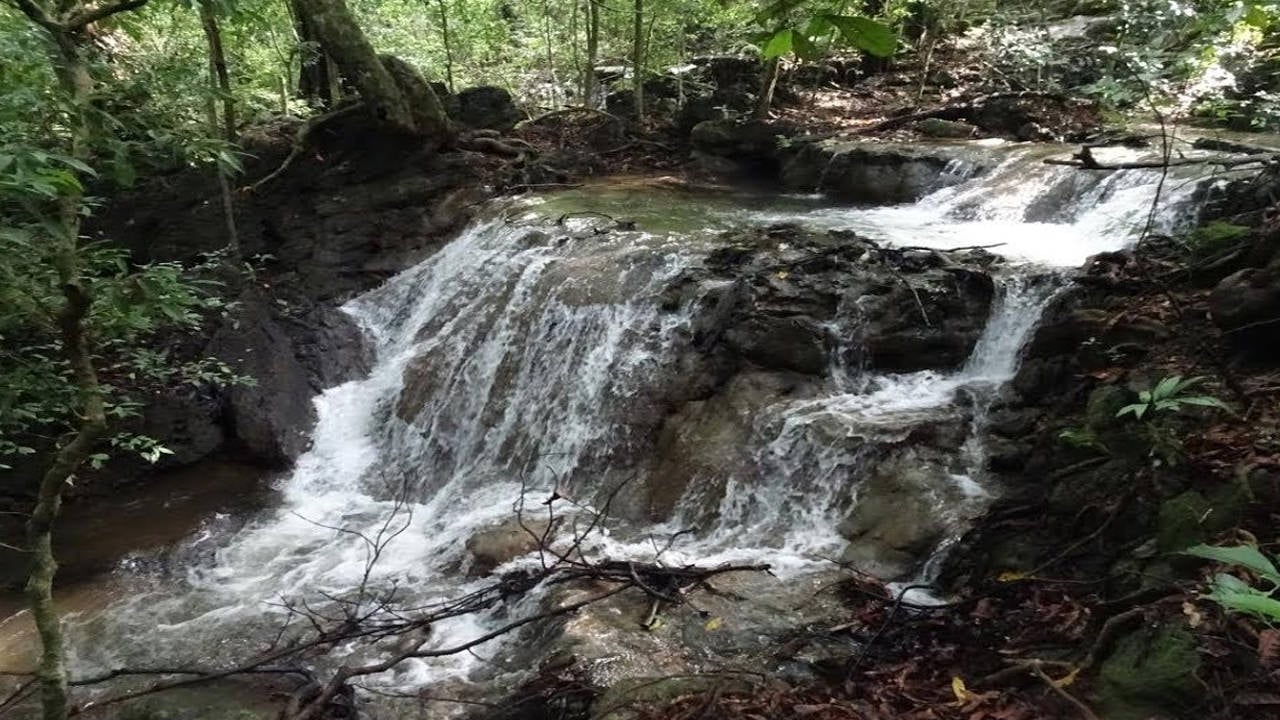
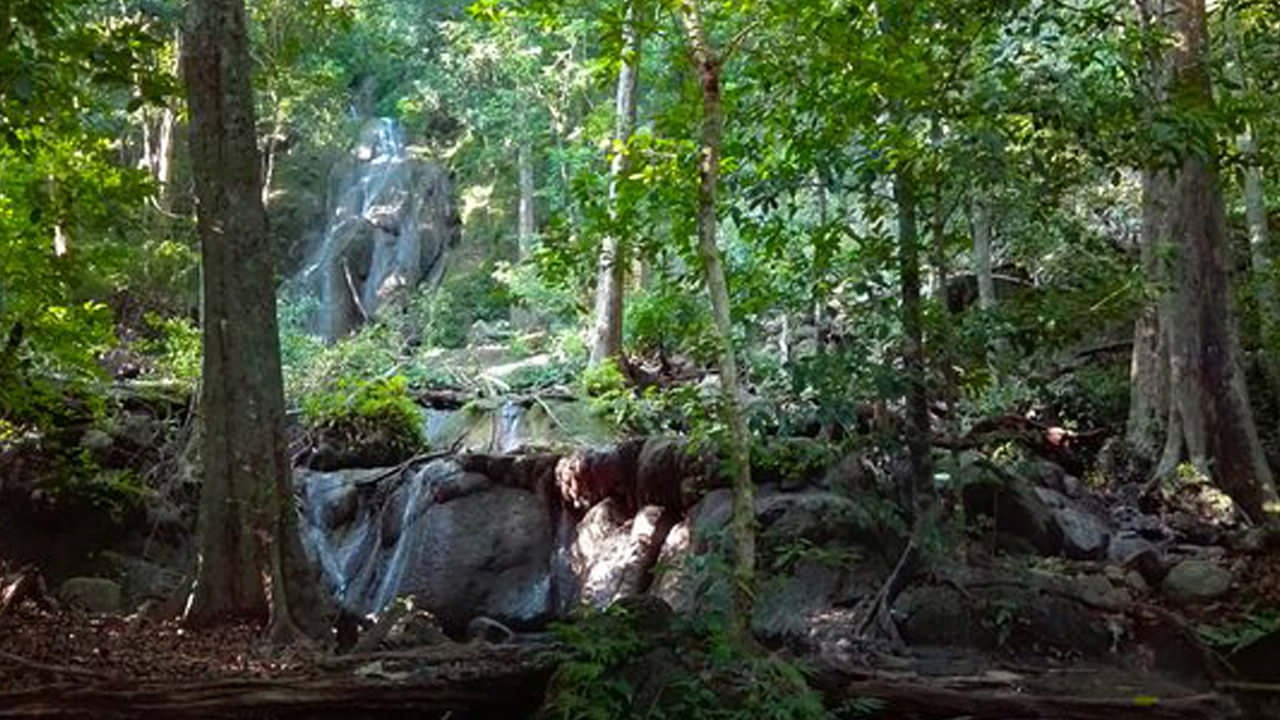
- Forest streams and minor cascades that run through the surrounding jungle, particularly lively after monsoon rains
- Rich birdlife and endemic flora characteristic of the mid-country wet zone
The ruins themselves are modest — what draws most visitors is the atmospheric setting and the sense of being deep inside a landscape that has carried mythological meaning for centuries. For those travelling the full Ramayana Trail, Seetha Kotuwa pairs naturally with nearby sites such as Rawanagala, the dramatic rock formation also linked to Ravana in local tradition.
How do I get to Seetha Kotuwa from Kandy?
Seetha Kotuwa lies roughly 50 kilometres east of Kandy, in the Hasalaka Gurulupotta area of the Matale District. The most practical approach is by private vehicle: from Kandy, take the A26 highway toward Mahiyangana, passing through the Dumbara Valley via a mountain road with numerous hairpin bends that descend dramatically through the mist into the valley below. The drive itself — winding through tea-covered ridges before dropping into dense lowland forest — is considered one of the more scenic routes in the Central Province.
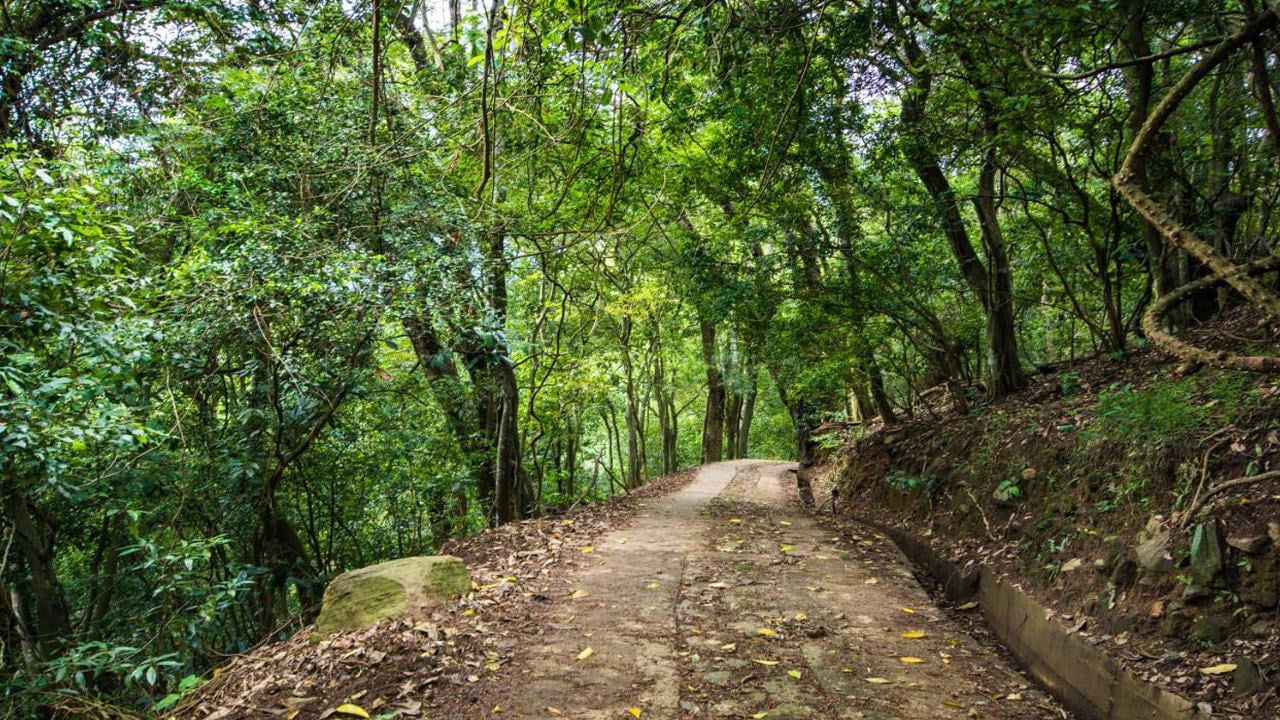
Public bus services connect Kandy to Hasalaka, but the final stretch to Seetha Kotuwa requires either a tuk-tuk or a short walk through forest track. A private car with a knowledgeable driver is the most comfortable option, especially if you plan to combine the visit with other Ramayana Trail sites in a single day.
When is the best time to visit Seetha Kotuwa?
The site is accessible year-round, but the dry inter-monsoon periods — roughly January to April and again in July and August — offer the most comfortable conditions. The forest paths can become muddy and slippery during the south-west monsoon (May to July), and the north-east monsoon brings intermittent rain to the Central Province between October and December. That said, the streams and small waterfalls around the site are at their most photogenic in the weeks immediately after rain, and the forest canopy is at its greenest.
Mornings are consistently cooler and quieter; arriving before midday also gives you the best light for exploring the forest surroundings.
Is Seetha Kotuwa part of a wider Ramayana Trail in Sri Lanka?
Sri Lanka's Ramayana Mawatha is a government-promoted heritage circuit linking more than 50 sites associated with the Ramayana across the island. Seetha Kotuwa is one of the Central Province waypoints, sitting between the highland sites near Nuwara Eliya and the lowland sites of the Mahiyangana area. The trail has grown substantially in popularity as a devotional and cultural itinerary for visitors from India, particularly Tamil-speaking pilgrims for whom the Ramayana holds deep religious significance.
Other frequently visited sites along the trail include Sita Eliya (where Sita is believed to have waited for rescue), Divurumpola (said to be the site of Sita's trial by fire), and the cave temples and waterfall sites scattered across the Ella region. A dedicated multi-day Ramayana Trail itinerary allows you to visit these in a logical geographical sequence.
What should I know before visiting?
Seetha Kotuwa is a remote, community-managed site rather than a formally developed tourist attraction. There are no entrance gates, ticketing offices, or on-site facilities such as cafés or restrooms. Visitors should:
- Carry sufficient water and snacks, as there are no vendors near the site
- Wear sturdy, closed footwear suitable for uneven forest terrain
- Dress modestly out of respect for the religious significance the site holds for local communities and pilgrims
- Avoid removing any stones, plants, or objects from the site
- Confirm road conditions locally before travelling, particularly after heavy rainfall
Mobile network coverage can be patchy in this forested valley, so download offline maps before you set out. A guide familiar with the Ramayana Trail adds meaningful context that the site's minimal on-site interpretation cannot provide.