



Vigna aconitifolia, commonly known as moth bean or mat bean, is a drought-tolerant legume that holds a recognised place in Sri Lanka's catalog of Ayurvedic medicinal plants. Native to South Asia, the species has been cultivated across the dry and semi-arid regions of the subcontinent for centuries, valued both as a food crop and as a source of therapeutic compounds used in traditional healing systems.
What is Vigna aconitifolia?
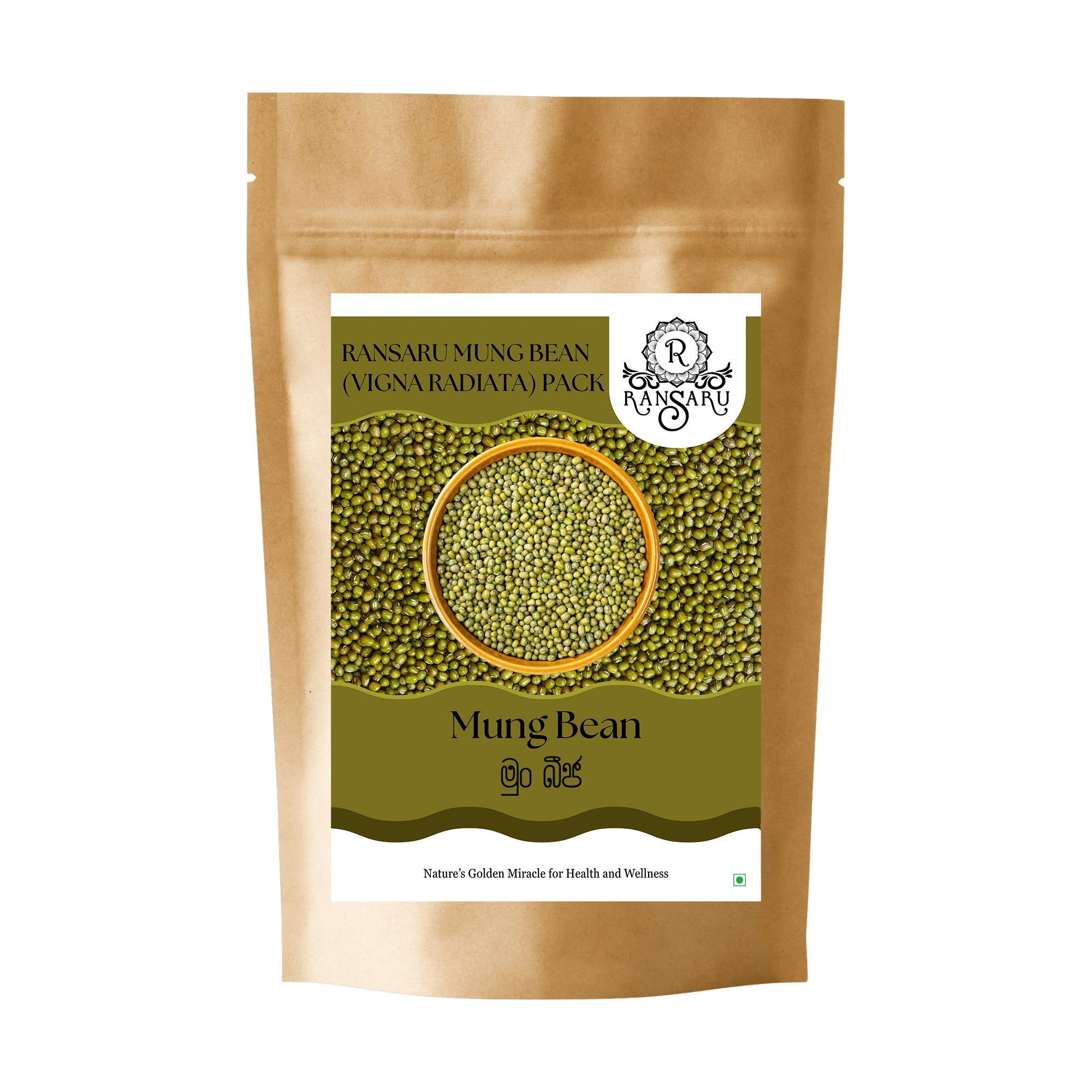
Vigna aconitifolia belongs to the family Fabaceae and is closely related to other pulse crops in the Vigna genus, such as the mung bean (used in several Ayurvedic formulations). The plant is a slender, trailing or sub-erect annual herb, typically reaching 20–40 cm in height. Its leaves are deeply lobed — the species epithet aconitifolia refers to their resemblance to the leaves of Aconitum — and its small yellow flowers give way to thin, cylindrical pods containing four to nine seeds.
The seeds range in colour from yellowish-brown to mottled dark brown. They are notably harder than other pulses, which contributes to the crop's long shelf-life and suitability for dry storage.
Where does Vigna aconitifolia grow in Sri Lanka?
In Sri Lanka, moth bean is cultivated primarily in the dry zone — the broad arc of lowland terrain that covers much of the north, north-west, and south-east of the island. The plant thrives in sandy or loamy soils with low moisture retention and tolerates periods of drought that would damage more sensitive legumes. It is also found growing semi-wild along roadsides and fallow agricultural land in these regions.
The crop is typically sown at the onset of the dry season and harvested within 60–90 days, making it a practical rotation choice for farmers who grow rice during the maha (main) cultivation season. Traditional paddy-farming communities across Sri Lanka's dry zone have long incorporated pulse crops like Vigna aconitifolia into their agricultural calendar.
What are the Ayurvedic uses of Vigna aconitifolia?
Within Sri Lanka's Ayurvedic tradition — which draws on both classical Sanskrit texts and locally developed medical knowledge — Vigna aconitifolia seeds are regarded as having several therapeutic properties. The plant is classified according to its rasa (taste), guna (qualities), and virya (potency) in Ayurvedic pharmacology.
- Digestive support: The seeds are considered light and easy to digest relative to heavier legumes, and are used in formulations aimed at supporting digestive function and reducing flatulence.
- Anti-inflammatory applications: Traditional practitioners have applied moth bean preparations — including pastes made from ground seeds — topically for conditions involving localised inflammation.
- Management of kapha and pitta imbalances: In classical Ayurvedic theory, Vigna aconitifolia is thought to help pacify excess kapha (associated with heaviness and mucus) and, in moderate use, pitta (associated with heat and inflammation).
- Diuretic properties: The plant has been documented in Ayurvedic literature as a mild diuretic, used to support kidney and urinary tract function.
- Nutritive use during convalescence: The easily digestible protein content of the seeds makes them a recommended food during recovery from illness in traditional dietary guidelines.
It is worth noting that Ayurvedic applications of Vigna aconitifolia are distinct from pharmaceutical drug treatments. Practitioners use the plant as part of holistic formulations, often combined with other medicinal herbs. Anyone seeking treatment for a medical condition should consult a qualified Ayurvedic physician or conventional medical professional.
How does Vigna aconitifolia compare to related Vigna species?
The Vigna genus includes several economically important legumes grown in Sri Lanka. Moth bean is most often compared with mung bean (Vigna radiata) and black-eyed pea (Vigna unguiculata). Among these, Vigna aconitifolia stands out for its exceptional drought tolerance and its distinctively lobed leaf shape, which makes it easy to identify in the field.
| Species | Common Name | Primary Use | Drought Tolerance |
|---|---|---|---|
| Vigna aconitifolia | Moth bean / Mat bean | Food crop, Ayurvedic medicine | Very high |
| Vigna radiata | Mung bean | Food crop, traditional medicine | Moderate |
| Vigna unguiculata | Black-eyed pea / Cowpea | Food crop, soil improvement | High |
What is the nutritional profile of moth bean seeds?
Moth bean seeds are a concentrated source of plant-based protein, typically providing around 22–24 g of protein per 100 g of dried seeds. They also supply complex carbohydrates, dietary fibre, and a range of micronutrients including iron, potassium, and B vitamins — particularly folate. This nutritional density, combined with low fat content, explains their continued use as a subsistence and health food across South Asia.
In Sri Lankan cuisine, moth bean is less commonly used than mung bean or cowpea, but it appears in traditional preparations in farming communities of the dry zone, often cooked as a curry or prepared as a sprouted salad. Sprouting the seeds over 24–48 hours increases their bioavailability and is a method long practised in Ayurvedic dietary guidance.
How does Vigna aconitifolia fit into Sri Lanka's broader Ayurvedic tradition?
Sri Lanka's Ayurvedic heritage is one of the oldest continuous medical traditions in Asia, with documented practice spanning more than two millennia. The country maintains an official catalog of Ayurvedic medicinal plants, administered through the Department of Ayurveda, within which Vigna aconitifolia holds a catalogued reference (LK94006337). This classification reflects the plant's formal recognition within the national system of traditional medicine, alongside hundreds of other species that form the pharmacopoeial foundation of Sri Lankan Ayurveda.
Other legumes and botanicals recognised in this system include Acacia chundra, which is valued for its astringent bark, and Pongamia pinnata, whose oil has both medicinal and practical applications. Together, these plants represent the deep integration of the natural landscape into Sri Lankan healing culture.
Visitors interested in experiencing Ayurvedic wellness in Sri Lanka can encounter these traditions through accredited treatment centres in cities including Colombo, Kandy, and Galle, as well as through dedicated Ayurvedic retreat programmes that draw on centuries of botanical knowledge.
Other species in this genus
4 more, sharing the same genus.
Related reading
2 pages on closely related subjects.