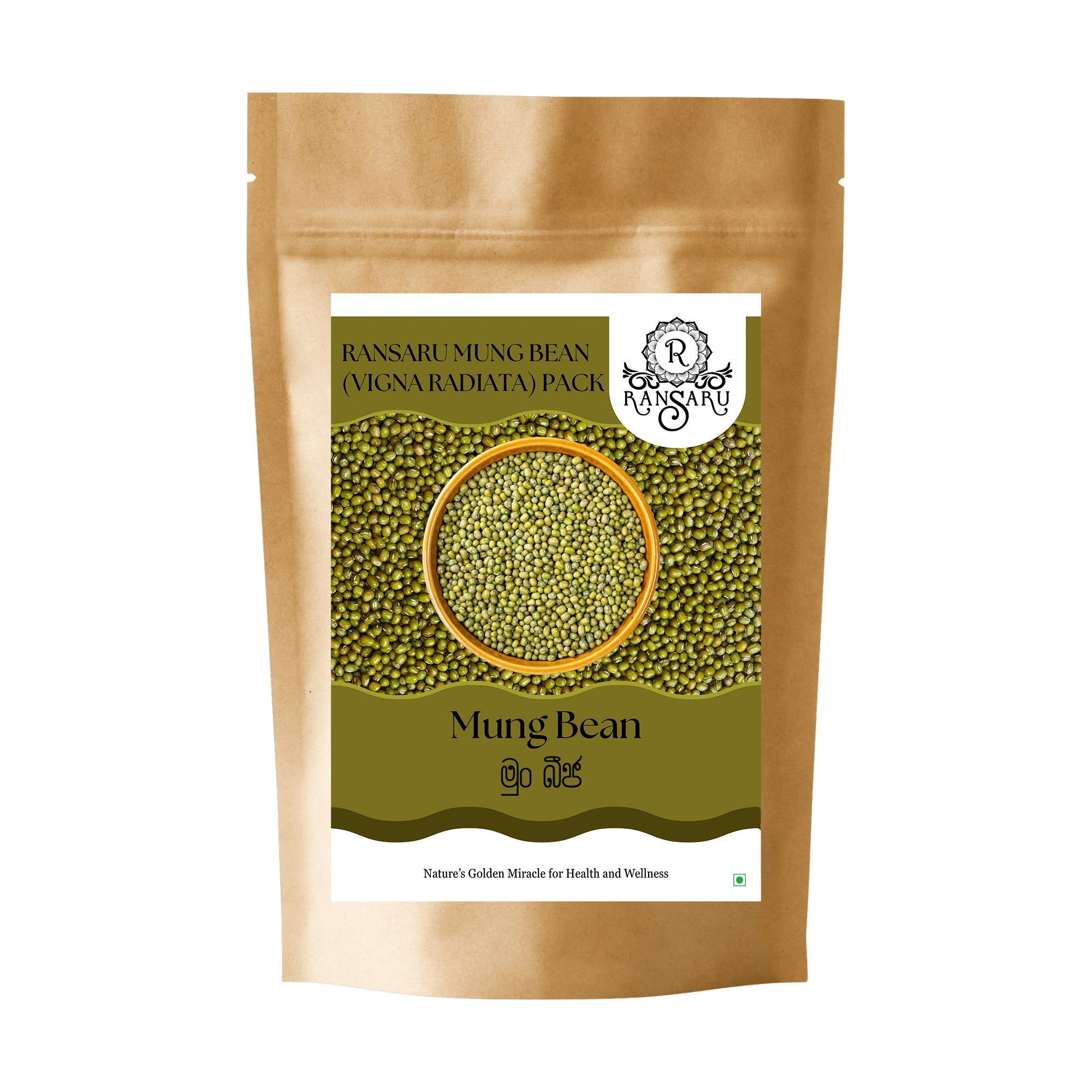




Vigna unguiculata ssp. cylindrica, commonly known as catjang or cylinder cowpea, is a subspecies of the widely cultivated cowpea (Vigna unguiculata) and holds a recognised place in the catalog of ayurvedic medicinal plants of Sri Lanka. Compact, hardy, and well-adapted to tropical climates, it has been grown across the island for centuries — both as a food crop and as a source of botanical remedies documented in traditional Sinhala medicine.
What is Vigna unguiculata ssp. cylindrica?
Within the Vigna unguiculata species complex, ssp. cylindrica is distinguished by its cylindrical, upright seed pods, which typically grow in tight clusters near the top of the plant. Unlike the sprawling growth habit of some cowpea varieties, catjang tends toward a more erect, bushy form — a characteristic that makes it practical for smallholder cultivation on homestead plots and traditional paddy bunds across Sri Lanka.
The plant belongs to the family Fabaceae (legumes) and shares many nutritional and agronomic traits with its close relatives, including the mung bean (Vigna radiata). The seeds are small, globular to slightly cylindrical, and range in colour from white and cream to brown and speckled black, depending on the landrace or cultivar.
What are the traditional ayurvedic uses of catjang in Sri Lanka?
In Sri Lankan Ayurveda, Vigna unguiculata and its subspecies are collectively referred to in classical texts as belonging to the group of legumes with cooling, grounding properties. The seeds are considered madhura (sweet) in taste and are traditionally used to support digestive strength (agni), manage mild inflammatory conditions, and as a component in formulations aimed at urinary health.
- Digestive support: Seed preparations are used in traditional diets to ease indigestion and reduce intestinal inflammation.
- Wound healing: Poultices made from the ground seeds or leaf paste have been applied topically in rural folk medicine for minor skin conditions.
- Nutritive tonic: As a protein-dense legume, catjang features in post-illness dietary recommendations in the Ayurvedic tradition, helping to restore strength.
- Urinary system: Seed decoctions are noted in some traditional references as supportive for mild urinary discomfort, attributed to the plant's diuretic properties.
It is worth noting that traditional use does not substitute clinical medical advice. Anyone seeking treatment for a health condition should consult a qualified physician or registered Ayurvedic practitioner.
How is catjang cultivated in Sri Lanka?
Catjang thrives in the warm, semi-arid to sub-humid zones of Sri Lanka — particularly in the dry and intermediate zones where rainfall is seasonal and soils are well-drained. It is a short-duration crop, typically maturing within 60 to 90 days from sowing, which makes it popular as a dry-season rotation crop following rice in traditional farming systems.
The plant is notably drought-tolerant once established and fixes atmospheric nitrogen through root nodule symbiosis, improving soil fertility for subsequent crops. This dual role — as food and as a soil-improving cover crop — makes it valuable in small-scale, mixed-cropping systems that are still common in rural Sri Lanka. Traditional varieties have been maintained by farming communities and are sometimes intercropped alongside other legumes and cereals.
How does catjang fit into Sri Lanka's broader medicinal plant tradition?
Sri Lanka's indigenous system of medicine, deeply rooted in Ayurveda and augmented by centuries of local botanical knowledge, draws on an extraordinary diversity of plant species. The island's varied ecology — from coastal plains to highland cloud forests — supports an unusually rich pharmacopeia. Catjang occupies a modest but consistent position within this tradition, valued more as a dietary medicine than as a primary therapeutic herb.
Other leguminous plants documented in the Sri Lankan Ayurvedic canon include species such as Pongamia pinnata, whose seed oil has long been used in medicated preparations, and Acacia chundra, a tree prized for its astringent heartwood. Together, these plants reflect the layered, ecosystem-anchored approach that characterises traditional Sri Lankan botanical medicine.
What is the nutritional profile of Vigna unguiculata ssp. cylindrica?
Like other cowpea types, catjang seeds are a good source of plant protein, dietary fibre, and complex carbohydrates. They also contain B vitamins (particularly folate), iron, zinc, and phosphorus. The following table outlines the general nutritional character of the dried seed compared with mung bean, its closest commonly cultivated relative in Sri Lanka:
| Nutrient (per 100g dry seed) | Catjang (ssp. cylindrica) | Mung Bean (Vigna radiata) |
|---|---|---|
| Protein | ~23–25 g | ~23–24 g |
| Dietary Fibre | ~10–11 g | ~16 g |
| Iron | ~8–10 mg | ~6–7 mg |
| Carbohydrates | ~55–60 g | ~58–63 g |
Note: values are approximate and drawn from published nutritional databases; actual composition varies by landrace and growing conditions.
How is catjang used in Sri Lankan cooking?
Beyond its medicinal role, catjang is a versatile food ingredient in everyday Sri Lankan households, particularly in the dry zone. The dried seeds are boiled and served as a curry — tempered with mustard seeds, dried chilli, curry leaves, and coconut milk — in a preparation similar to the more widely known mung bean curry. Whole seeds are also added to rice-based porridges and fermented snack preparations.
Young pods, harvested before full maturity, can be eaten as a vegetable in the same way as French beans. In some communities, the leaves are cooked as a green, offering an additional nutritional contribution from a single plant. This whole-plant usability is consistent with the resourcefulness that defines traditional Sri Lankan subsistence agriculture.
Where can I learn more about Sri Lanka's ayurvedic plant heritage?
Sri Lanka's government maintains a formal program of documentation for indigenous medicinal plants through the Department of Agriculture and related research institutions. The country's traditional medicine sector is regulated by the Department of Ayurveda, which publishes reference catalogs of plants recognised in the formal Ayurvedic pharmacopeia — the framework within which Vigna unguiculata ssp. cylindrica is classified.
For travellers interested in experiencing Sri Lanka's botanical heritage first-hand, rural village stays, spice garden visits, and Ayurvedic wellness retreats around Kandy and the Hill Country provide direct encounters with these plants in their living context.
Other species in this genus
4 more, sharing the same genus.
Related reading
2 pages on closely related subjects.