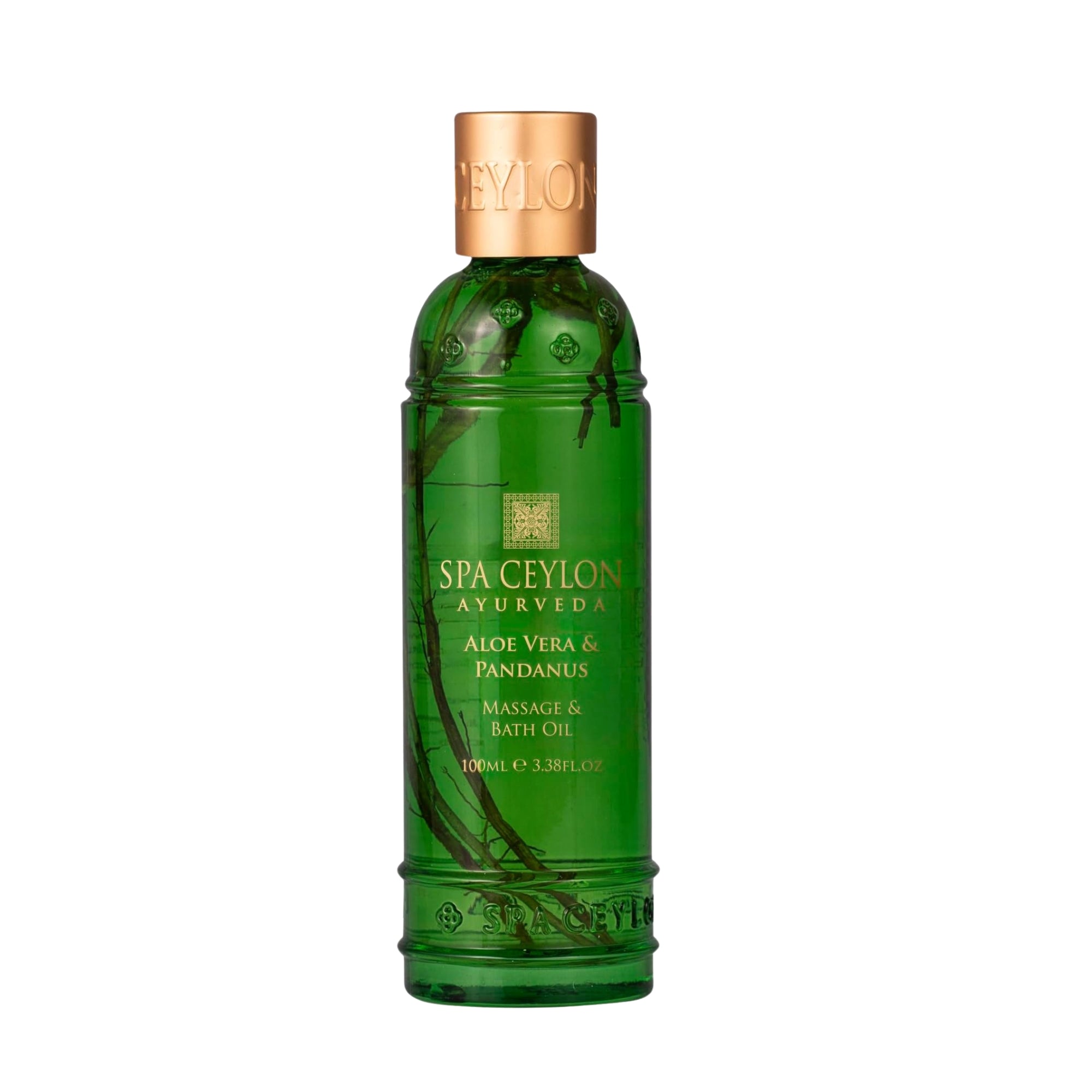




Pandanus odoratissimus, commonly called the screwpine or thala in Sinhala, is one of the most recognisable plants along Sri Lanka's coastline and lowland wetlands. Its distinctive spiral arrangement of long, sword-like leaves, its stilt roots anchoring it against sandy soils, and the heady fragrance of its male flower spikes make it immediately identifiable. Beyond its visual character, the plant holds a respected place in Sri Lanka's tropical plant heritage and has been documented as a medicinal species in the island's Ayurvedic tradition for centuries.
What is Pandanus odoratissimus and where does it grow in Sri Lanka?
Pandanus odoratissimus belongs to the family Pandanaceae and is native to a broad belt stretching from South Asia through Southeast Asia and across the Pacific. In Sri Lanka, it grows most densely in coastal habitats — on beaches, river mouths, lagoon margins, and the fringes of mangrove systems. It is commonly seen around tidal estuaries such as those along the southwestern coastline, where conditions of salt tolerance and good drainage suit it well.
The plant is a large, branching shrub or small tree, typically reaching 3–4 metres in height, though specimens in sheltered spots can grow taller. Its stilt or prop roots, which radiate from the lower trunk into the soil, are a key adaptation to the loose, sandy, and sometimes waterlogged substrates it favours. The leaves emerge in a tight spiral — hence the name screwpine — and are long, linear, and edged with small spines.
Sri Lanka's mangrove-fringed backwaters, including the lagoon systems accessible via a Madu River Safari, are ideal spots to observe Pandanus growing in its natural coastal setting alongside other wetland species.
What are the Ayurvedic and medicinal uses of Pandanus odoratissimus?
The plant features in Sri Lanka's official catalogue of Ayurvedic medicinal plants, where different parts are attributed with different therapeutic properties. The roots, leaves, and flowers have all been used in traditional formulations.
- Roots: Traditionally used in preparations associated with diuretic and anti-inflammatory effects, and applied in remedies for conditions affecting the urinary tract.
- Male flower spikes (keora): The intensely fragrant flower spikes yield an essential oil and a distillate known in South Asia as kewra water. This has both culinary and topical applications, and is considered cooling in Ayurvedic classification.
- Leaves: Used in some traditional preparations as a mild analgesic, and in poultices applied externally.
- Fruit: The aggregate fruit, which resembles a large pineapple, has been consumed in subsistence contexts, though it requires preparation; the seeds within the drupes are edible.
Like other plants in Sri Lanka's Ayurvedic canon — such as Acacia chundra and Pongamia pinnata — Pandanus odoratissimus is valued for the breadth of its applications across different body systems rather than a single targeted use.
How is Pandanus used in traditional crafts and daily life?
Medicinal use is only part of the story. The long, pliable leaves of Pandanus odoratissimus have been woven into mats, baskets, and roof thatch by Sri Lankan coastal communities for generations. Dried and processed leaf strips produce a durable, slightly lustrous material that holds colour well when dyed, making it suitable for finer decorative weaving as well as practical household objects.
In cooking, the closely related Pandanus amaryllifolius (rampe) is the species most familiar to Sri Lankan kitchens, used to flavour rice and curries. Pandanus odoratissimus overlaps in popular usage, with its leaves sometimes added to cooking in similar ways in coastal communities. The fragrant extract from the flowers is an ingredient in certain traditional sweet preparations and is also used in the formulation of massage oils and cosmetic products drawing on Ayurvedic principles.
What is the ecological role of Pandanus odoratissimus in coastal Sri Lanka?
In coastal ecosystems, Pandanus odoratissimus functions as a stabilising species. Its stilt roots bind sandy soils and help prevent erosion along beach margins and riverbanks. It provides shelter and nesting cover for birds, and its fruits are consumed by fruit bats, which in turn act as seed dispersers — a relationship that helps the plant colonise new coastal areas naturally.
The species is well adapted to salt spray and periods of drought, and it frequently establishes in the zone between coastal forest and open beach where few other large plants can survive. In this respect it plays a role broadly analogous to that of Cocos nucifera (coconut palm) in the coastal landscape, though Pandanus tolerates more physically marginal growing conditions.
Conservation of coastal mangrove and scrubland habitats in Sri Lanka benefits this species directly, as land reclamation and coastal development have reduced the extent of the shoreline ecosystems where it naturally thrives.
Is Pandanus odoratissimus the same as the plant used in Pandanus essential oil products?
The fragrant compounds derived from the screwpine family are used across a range of wellness and cosmetic products. The essential oil extracted from Pandanus flower spikes has a sweet, floral, and slightly grassy scent that is considered grounding and calming in aromatherapy contexts. Sri Lanka has a developed wellness industry drawing on both Ayurvedic and contemporary spa traditions, and screwpine fragrance appears in several local product lines alongside more widely known botanicals such as Syzygium aromaticum (clove).
Visitors to Sri Lanka often encounter Pandanus-derived ingredients in hotel spa menus, artisan soap, and massage oil products — a practical continuation of the plant's long history in local medicinal and sensory culture.
Where can travellers encounter Pandanus odoratissimus in Sri Lanka?
The plant is not a site-specific attraction in the way that a monument or wildlife reserve is, but travellers exploring Sri Lanka's coastal and wetland environments are very likely to encounter it naturally. Some contexts where Pandanus is particularly visible include:
- The beach margins and lagoon edges of the southwestern coast between Negombo and Matara
- River mouth and estuarine zones along the Madu Ganga wetland system near Balapitiya
- Coastal stretches in and around Wilpattu and other northwestern coastal reserves
- The shorelines of the eastern coast near Trincomalee and Batticaloa, where the species is common in the coastal scrub zone
For travellers with an interest in Sri Lanka's botanical and Ayurvedic heritage, the plant represents a tangible, living link between the island's traditional knowledge systems and its natural coastal landscape.
Other species in this genus
4 more, sharing the same genus.