



Pandanus ceylanicus is a species of screwpine native to Sri Lanka, recognised within the country's rich tradition of Ayurvedic medicine. Long catalogued among the island's medicinal flora, it occupies a quiet but significant role in both ethnobotanical practice and the broader ecosystem of Sri Lanka's lowland and coastal vegetation.
What is Pandanus ceylanicus?
Pandanus ceylanicus belongs to the genus Pandanus within the family Pandanaceae — a group of monocotyledonous plants commonly known as screwpines. The genus takes its name from the spiral arrangement of long, strap-like leaves that radiate outward from the stem in a characteristic helix. While many Pandanus species are widespread across tropical Asia, the Pacific, and East Africa, Pandanus ceylanicus is endemic or closely associated with Sri Lanka, reflecting the island's high degree of botanical endemism.
The plant typically grows as a shrub or small tree, producing stiff, sword-shaped leaves that are often edged with fine spines. Like other members of its family, it develops prop roots — aerial roots that arch down into the soil to support the plant's weight and anchor it in sandy or waterlogged ground.
Where does Pandanus ceylanicus grow in Sri Lanka?
This species is generally found in the island's wetter, lowland zones — along coastal margins, riverbanks, and areas with high soil moisture. Sri Lanka's southwestern wet zone, with its reliable rainfall and humid conditions, provides a hospitable environment for screwpines of this kind. The plant also tolerates the sandy, saline-influenced soils found near lagoons and tidal flats, making it a useful indicator of transitional coastal ecosystems.
In the wild, Pandanus ceylanicus may grow alongside other moisture-tolerant species in secondary forest edges, marshy clearings, and degraded lowland habitats. It is not considered a rare plant in appropriate microhabitats, but documentation of its precise distribution continues to be refined by botanists working on Sri Lanka's endemic flora.
What are the Ayurvedic and medicinal uses of Pandanus ceylanicus?
Within Sri Lanka's Ayurvedic tradition, screwpines have been valued for a range of therapeutic applications. Different parts of Pandanus plants — roots, leaves, and sometimes flowers — have been incorporated into traditional formulations addressing ailments that vary from digestive complaints to skin conditions. Screwpine roots in particular are noted in several South Asian Ayurvedic texts for diuretic and anti-inflammatory properties.
The aromatic quality of certain Pandanus species has also made them useful in wellness and cosmetic preparations. The closely related Pandanus amaryllifolius — the pandan widely used in South and Southeast Asian cooking — gives some indication of the fragrant compounds the genus can produce. Whether Pandanus ceylanicus shares these volatile oils to a meaningful degree is a subject of ongoing phytochemical study.
- Roots: Traditionally associated with diuretic and cooling properties in Ayurvedic practice.
- Leaves: Used in some formulations for their astringent characteristics.
- Aromatic compounds: Of interest in herbal cosmetics and wellness product development.
It is worth noting that Ayurvedic uses described here are part of traditional ethnobotanical knowledge. Anyone seeking treatment for a medical condition should consult a qualified Ayurvedic or medical practitioner.
How does Pandanus ceylanicus fit into Sri Lanka's botanical heritage?
Sri Lanka is one of the world's biodiversity hotspots, with a remarkably high proportion of endemic plant species relative to its land area. The island's endemic flora — catalogued in detail by institutions such as the Royal Botanic Gardens, Peradeniya — includes hundreds of flowering plant species found nowhere else on earth. Pandanus ceylanicus is part of this living heritage, representing the island's evolutionary history and its capacity to shelter and sustain distinctive plant lineages.
The species also connects Sri Lanka to a wider Indo-Pacific network of screwpine diversity. The genus Pandanus is represented by hundreds of species from the tropics of Africa and Madagascar through South and Southeast Asia to the islands of the Pacific. Sri Lanka sits at one edge of this distribution, and its native species offer clues to the genus's dispersal history across the Indian Ocean.
What is the ecological role of screwpines in Sri Lanka's coastal ecosystems?
Screwpines contribute meaningfully to the stability of the coastal and riparian habitats they colonise. Their prop-root systems help bind loose or waterlogged soils, reducing erosion along riverbanks and coastal margins. Dense screwpine thickets also provide shelter and nesting habitat for birds and small mammals, supporting local food webs in areas where other vegetation may be sparse or disturbed.
In the context of Sri Lanka's ongoing conservation efforts — particularly in coastal zones affected by development pressure and, historically, by the 2004 Indian Ocean tsunami — the role of native coastal vegetation including screwpines has received renewed attention. Restoring natural coastal plant communities is recognised as a low-cost, high-resilience approach to shoreline protection.
Is Pandanus ceylanicus used in modern Sri Lankan products?
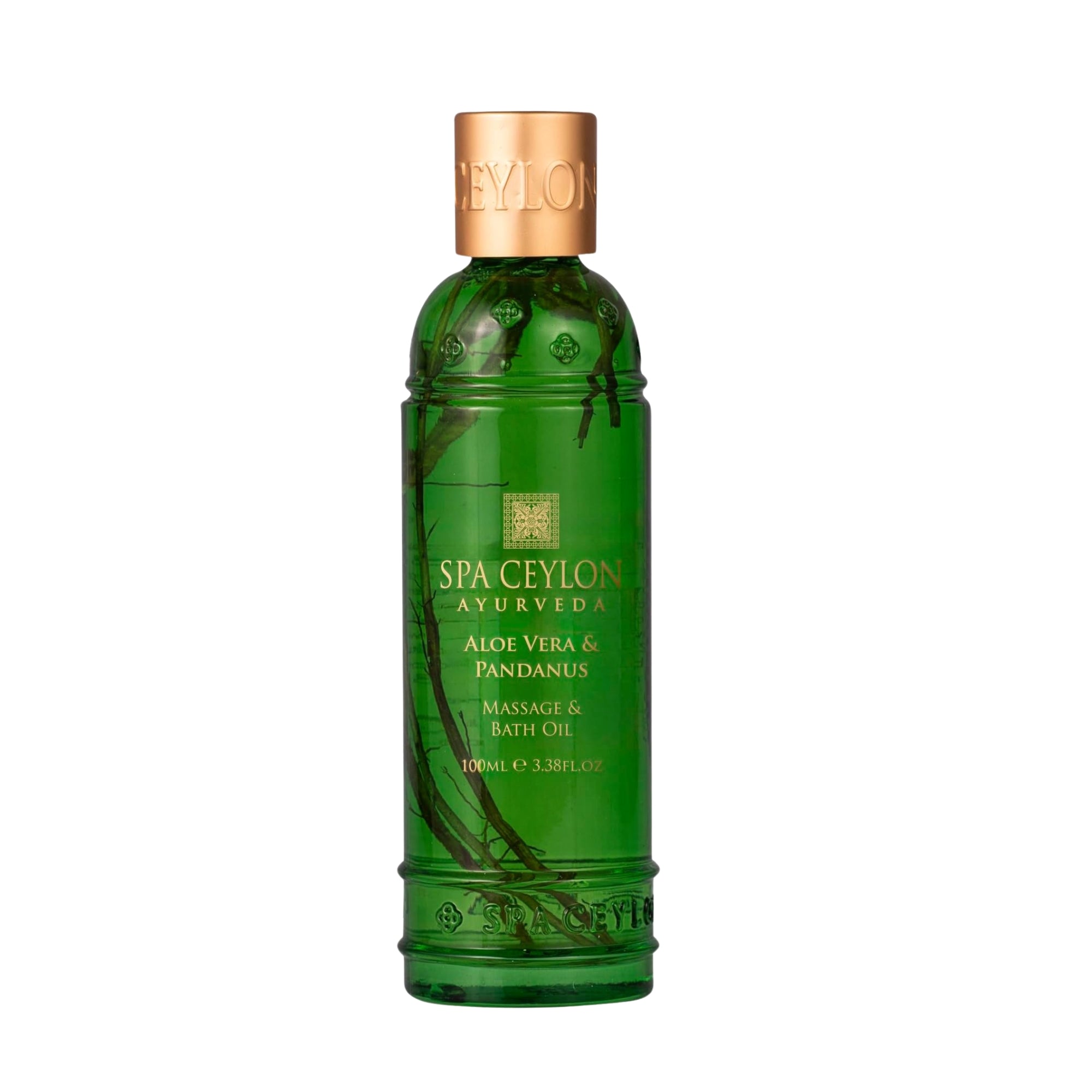
The broader Pandanus genus has a strong commercial footprint in Sri Lanka's wellness and cosmetics sector. Pandanus-derived fragrances and extracts appear in massage oils, bath products, and aromatic treatments offered by Sri Lankan spa brands. Whether specifically derived from Pandanus ceylanicus or from more widely cultivated relatives such as Pandanus amaryllifolius, these products draw on a genuine tradition linking the genus to sensory wellbeing and herbal care.
Sri Lanka's growing reputation as a destination for Ayurveda and wellness tourism means that native medicinal plants — including lesser-known endemic species — are of increasing interest to product developers, researchers, and culturally curious travellers alike.
Other species in this genus
4 more, sharing the same genus.