
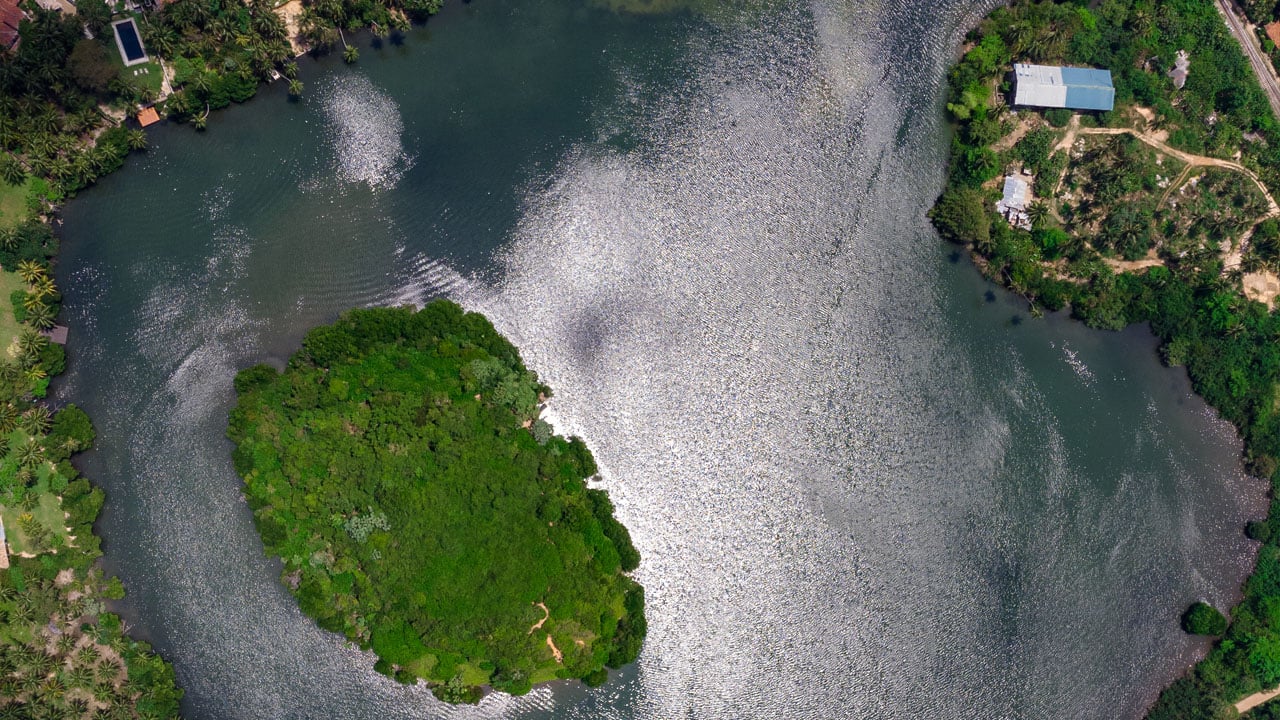

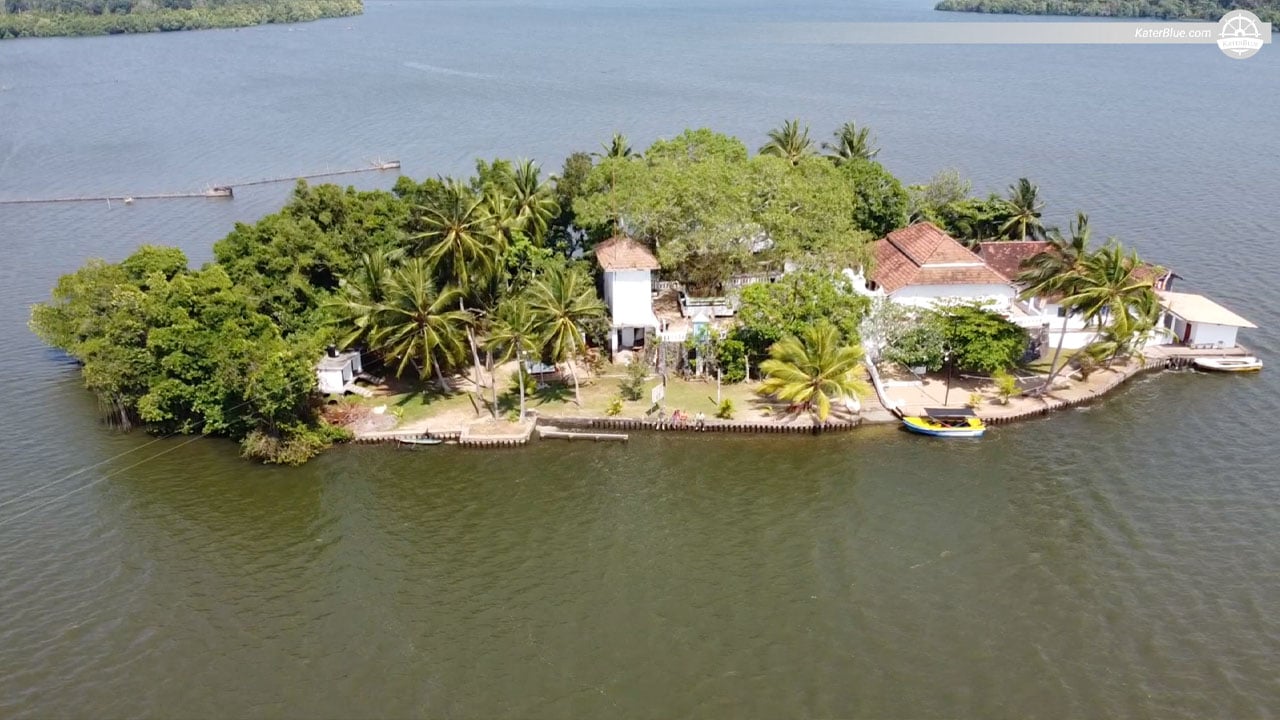
Madol Doova is a small island nestled within Koggala Lake on Sri Lanka's southern coast, roughly 15 km east of Galle. It is best known as the setting of Martin Wickramasinghe's celebrated Sinhala novel of the same name — a story that generations of Sri Lankan schoolchildren have grown up reading. Today the island draws visitors who arrive by boat across the lake, curious to see the landscape that gave life to one of the most beloved works in modern Sinhala literature.
Who Was Martin Wickramasinghe and Why Does Madol Doova Matter?
Martin Wickramasinghe (1890–1976) is widely regarded as the father of the modern Sinhala novel. Born in the village of Koggala, he drew on the lagoon, the islands, and the fishing communities he knew as a child when writing Madol Doova, first published in 1947. The novel follows a group of young outcasts — Upali, Jinna, Ranadewa, Dangadasa, and Siripala — who claim the deserted island as their refuge and struggle to forge a life there. The book was adapted into a film in 1976, the same year Wickramasinghe died, cementing the island's place in Sri Lankan cultural memory.
Wickramasinghe's former home in Koggala has been converted into a museum. The building preserves his personal belongings alongside a broader collection of Sinhala folk artefacts: traditional wooden furniture, ceremonial masks, and costumes worn by folk dancers. For travellers interested in Sri Lankan literary and cultural heritage, the museum is a natural complement to a visit to the island itself.
What Can You See at Madol Doova Island?
The island is small and quiet. Its most recognisable landmark is the sekku gala — a traditional oil-press stone — which features prominently in Wickramasinghe's novel and remains on the island to this day. Walking the shoreline, visitors encounter dense stands of mangrove and a stillness that makes it easy to understand why a novelist would imagine it as the perfect hideaway.
The journey to Madol Doova is as rewarding as the destination. Koggala Lake is one of Sri Lanka's largest natural coastal lagoons, fed by several streams and fringed with mangrove swamps. En route to the island, boat trips typically pass Kathduwa Island, which reportedly served as a seaplane base during the Second World War and retains a quiet, overgrown atmosphere. Other small islands around the lake support colonies of water birds, including various heron species, kingfishers, and cormorants that roost in the mangrove canopy toward dusk.
- Sekku gala: the oil-press stone referenced in the novel, still visible on the island.
- Mangrove forests: the lake's fringes support several mangrove species, some endemic to Sri Lanka.
- Kathduwa Island: a historically interesting stop on the way across the lake.
- Bird life: herons, kingfishers, cormorants, and other water birds are commonly sighted, particularly in the early morning and late afternoon.
- Martin Wickramasinghe Museum: on the mainland at Koggala, a short distance from the lake's edge.
How Do You Get to Madol Doova from Galle or Colombo?
Koggala lies on the coastal highway (A2) between Galle and Matara. From Galle the drive takes around 20–25 minutes; from Colombo, allow approximately two and a half to three hours depending on traffic. The nearest train station is Koggala, served by the Colombo–Matara coastal line. Boat trips onto Koggala Lake depart from the lake's edge near the Koggala area; local boatmen offer guided excursions that include Madol Doova and several other islands. A Galle city tour pairs naturally with an afternoon on the lake, making a full and varied day on the south coast.
When Is the Best Time to Visit Koggala Lake and Madol Doova?
The southern coast experiences its driest and calmest weather between December and April, when the northeast monsoon keeps the rest of the island wetter. During these months lake conditions are generally smooth, making boat trips comfortable. The southwest monsoon, which arrives around May and intensifies through June and July, can bring choppy conditions and heavier rain to this coast, though brief visits remain possible on fair days. Bird-watching is rewarding year-round, with migratory species supplementing resident populations from roughly October to March.
What Else Is There to Do Around Koggala?
Koggala and the surrounding coastline offer a range of experiences beyond the literary pilgrimage to Madol Doova. The Koggala Sea Turtle Conservation Project, located near the town, has been working since the 1990s to protect and hatch eggs of marine turtle species that nest on the beach. Visitors can learn about the conservation programme and, in season, observe hatchlings. For more detail on nearby turtle conservation efforts, see the Koggala Sea Turtle Conservation Project page.
Stilt fishermen — a practice unique to this stretch of the southern coast — are still occasionally seen near Koggala and Weligama, perched on cross-poles driven into the shallow seabed. The Madu River Safari, further along the coast near Balapitiya, offers a comparable mangrove and island boat experience and is worth considering if you have an additional day on the south coast.
The Sinharaja Forest Reserve, Sri Lanka's last viable tract of primary lowland rainforest and a UNESCO World Heritage Site, lies roughly 60–70 km inland from Koggala, making it a feasible excursion for travellers based on the southern coast for several nights.
Is Madol Doova Suitable for Children?
The island is a particularly good choice for families travelling with older children who have read the novel at school — the landscape makes the story tangible in a way that is difficult to replicate in a classroom. The boat ride is short and, in calm conditions, gentle. Very young children should be supervised carefully on the water. There is no formal visitor infrastructure on the island itself, so bring water and any snacks you may need.
Conservation Concerns at the Lake
Koggala Lake faces ongoing pressure from encroachment, agricultural runoff, and informal waste disposal around its edges. The mangrove fringes, which provide critical nursery habitat for fish and shelter for birds, have been degraded in parts. Visitors are encouraged to travel with responsible operators, avoid littering in or around the lake, and respect the natural environment that makes the island worth visiting in the first place.
Nearby places
11 places within about 25 km, nearest first.
- Koggala Beachunder 1 km
- Koggala Hirugal Devalayaunder 1 km
- Martin Wickramasinghe Folk Museum Complex1 km
- Koggala City1 km
- Koggala Lagoon1 km
- Koggala Lagoon Island1 km
- Koggala Sea Turtle Conservation Project2 km
- Koggala Railway Station2 km
- Stilt Fishing2 km
- Handunugoda Tea Estate2 km
- Ahangama Railway Station3 km
Related reading
1 pages on closely related subjects.


