
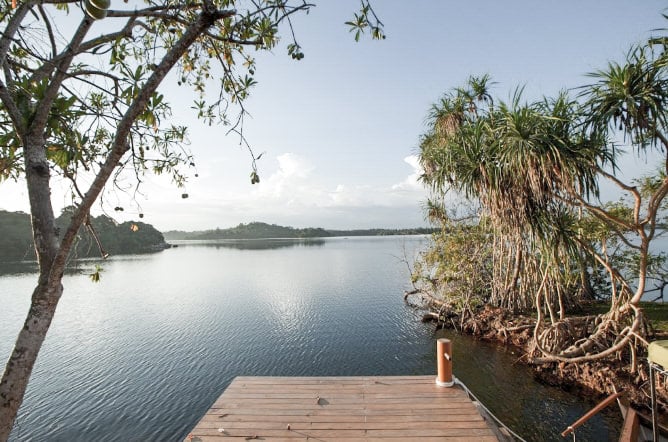
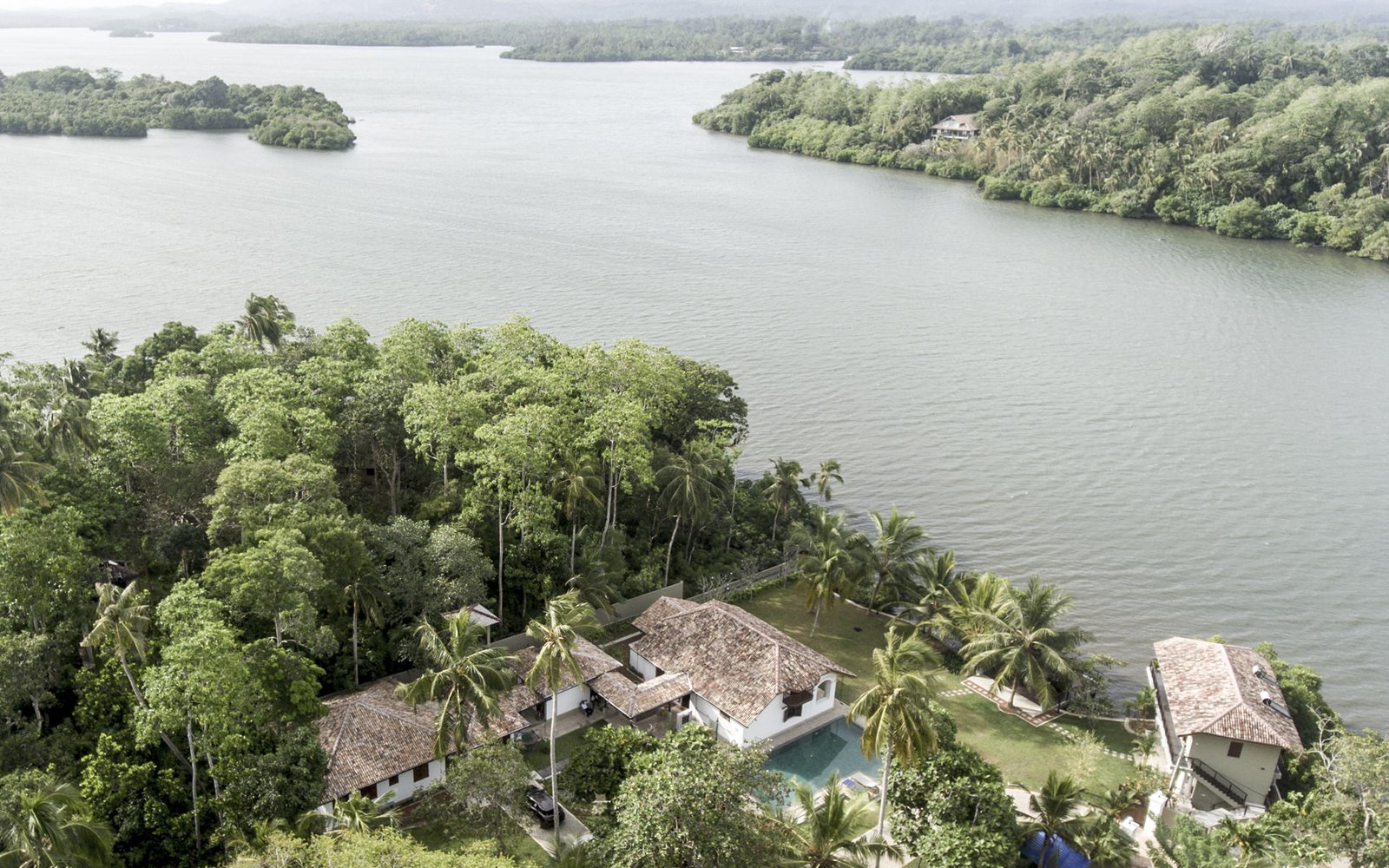


Tucked along Sri Lanka's southern coast near the town of Koggala, Koggala Lagoon is a broad, sheltered stretch of water fringed by mangrove channels and dotted with small islands. The lagoon sits just inland from the Indian Ocean, separated from it by a narrow strip of land that also borders the Galle–Matara coastal road. Quiet enough for a morning kayak yet historically rich enough to warrant a full-day exploration, it rewards visitors who take the time to venture beyond the beach.
What islands can you visit in Koggala Lagoon?
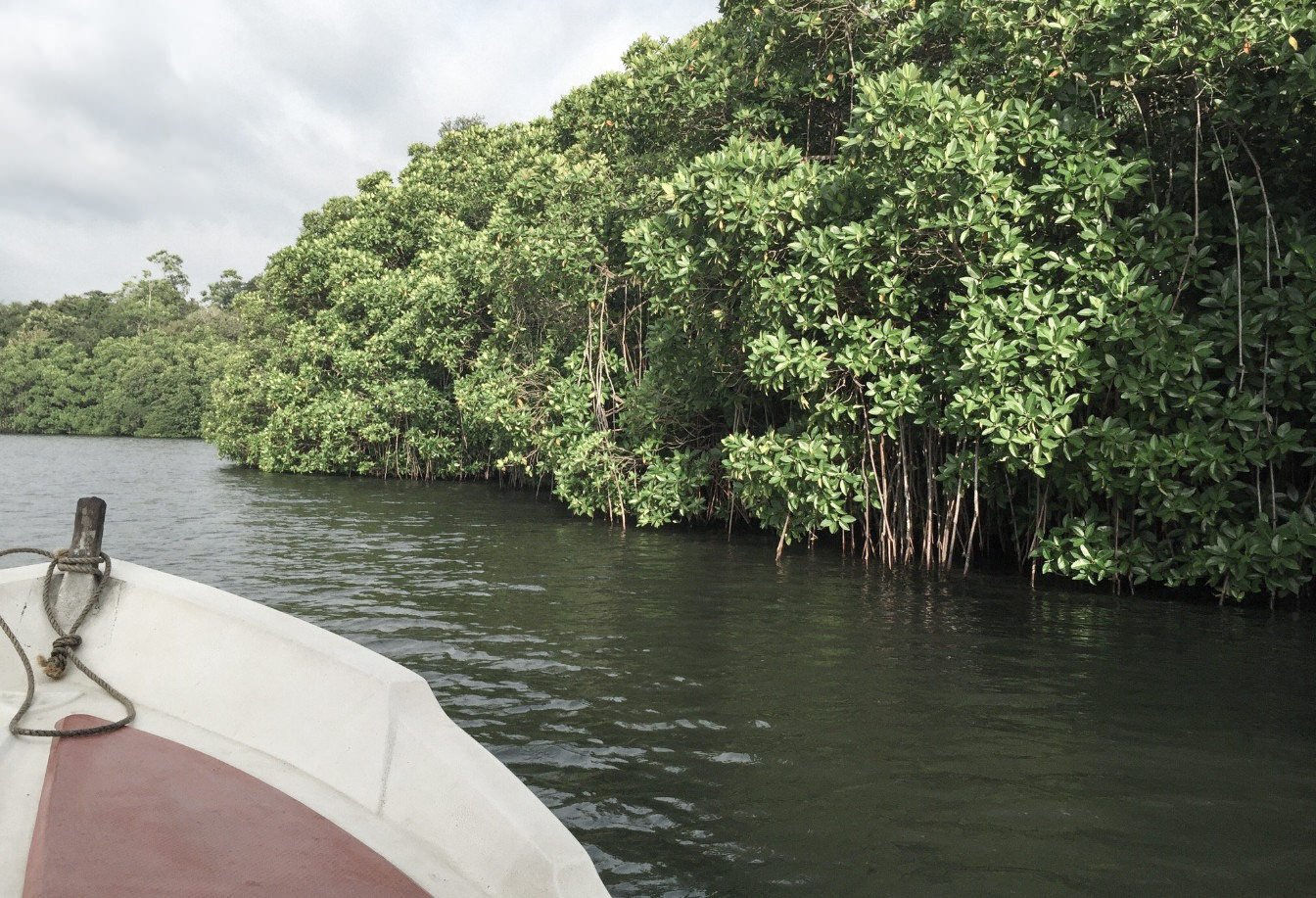
Several small islands break the surface of the lagoon, each with its own character. The most visited are Madol Duwa and Cinnamon Island, but boat operators can also take you through uninhabited mangrove islets where the waterway narrows to little more than a green corridor.
- Madol Duwa — Made famous by the late Martin Wickramasinghe in his celebrated novel of the same name, this island holds strong literary and cultural resonance for Sri Lankans. The setting — a small, tree-covered island accessible only by water — has changed little since Wickramasinghe drew on his own Koggala childhood to write the book. For visitors interested in Sri Lankan literature and village life, landing on Madol Duwa offers a tangible link to that tradition.
- Cinnamon Island — Here, families who have worked cinnamon for generations demonstrate the full process: scoring the bark, peeling it in long curls, and rolling it into the tight quills sold across the world as Ceylon cinnamon. Watching it done by hand makes clear why Sri Lankan cinnamon commands a premium over the cassia varieties common elsewhere.
- Mangrove channels — Even the passages between islands are worth exploring. The root systems of the mangrove trees shelter juvenile fish, monitor lizards, and a range of waterbirds. Boat guides typically slow here and cut the engine so passengers can listen.
What birds can you see at Koggala Lagoon?
The lagoon is a productive site for bird watching year-round. Resident species include the purple-faced leaf monkey's avian neighbours — kingfishers, herons, and egrets working the shallows — alongside cormorants drying their wings on exposed roots. Between roughly November and April, migratory waders and terns join them, making the winter months particularly active. Early morning, when the water is still and the light is low, is the most rewarding time to be on the water.
The broader southern coastal ecosystem connects to sites like the Koggala Sea Turtle Conservation Project, where nesting habitat is actively protected just a short distance from the lagoon's edge.
How do you get to Koggala Lagoon from Galle or Colombo?
Koggala sits approximately 12 kilometres east of Galle along the coastal highway. From Galle, the drive takes around 20 minutes under normal traffic conditions. From Colombo, the Southern Expressway (E01) brings you to the Pinnaduwa interchange, after which secondary roads lead to the lagoon area — the total journey is typically around two hours. The Koggala railway station, on the Colombo–Matara line, puts you within walking distance of several lagoon access points, making the train a practical option for those not on a private transfer.
What activities are available on Koggala Lagoon?
Boat tours are the primary way to experience the lagoon, and most depart from small jetties near the main road. A standard circuit covers Madol Duwa, Cinnamon Island, and the mangrove channels, typically running 60 to 90 minutes. Some operators extend the tour to include a fish farm and a temple island, depending on the group's interests.
- Kayaking — Paddling independently gives you more control over pace and direction. The lagoon's calm, sheltered waters make it manageable for beginners, though wind can pick up in the afternoon.
- Cinnamon demonstrations — Visitors on Cinnamon Island can participate in rolling quills under instruction from local craftsmen — a hands-on stop that tends to be popular with children.
- Photography — The combination of still water, green mangroves, and open sky makes the lagoon a strong subject at golden hour. A boat tour departing around 90 minutes before sunset gives you the best of both the activity and the light.
- Cultural stops — Some tours include a small temple on one of the islands, offering context for the everyday religious life of the fishing and farming communities that live alongside the lagoon.
What is the best time of year to visit Koggala Lagoon?
The southern coast's dry season runs roughly from December to April, when skies are generally clear and the lagoon is calm. This is also when migratory birds are present, adding to the wildlife interest. The inter-monsoon months of October and November can bring unpredictable squalls that make boat trips less comfortable. The southwest monsoon (May to September) brings heavier rain to this coast, though many days remain partly sunny and tours still operate — conditions just need to be checked on the morning of your visit.
How does Koggala Lagoon compare to Madu Ganga?
Both are lagoon and mangrove ecosystems on Sri Lanka's southwest coast, and both offer boat tours through similar habitats. Madu Ganga, near Balapitiya, is a UNESCO-listed biosphere reserve and is generally larger and better known internationally. Koggala Lagoon is smaller and sees fewer visitors, which can make for a quieter, less crowded experience. Koggala's stronger cultural draw — particularly Madol Duwa and the cinnamon tradition — gives it a different character from Madu Ganga's primarily ecological focus.
Is Koggala Lagoon suitable for families with children?
It is well suited to families. Boat tours are gentle, the water inside the lagoon is calm, and the cinnamon demonstration on Cinnamon Island tends to engage younger visitors effectively. There is no strenuous walking involved, and most tours can accommodate children without specialist equipment. Bringing sun protection and a light layer for shade is advisable, particularly for midday departures.
Where should you stay near Koggala Lagoon?
Accommodation ranges from small guesthouses along the coastal strip to larger resort properties facing both the lagoon and the ocean. Staying in Koggala itself keeps journey times to the jetty short. Galle, 12 kilometres west, offers a wider selection of hotels and restaurants while remaining convenient for a morning lagoon tour — a Galle city tour pairs naturally with an afternoon on the lagoon for visitors spending two or three nights in the area.
Nearby places
11 places within about 25 km, nearest first.
- Koggala Lagoonunder 1 km
- Koggala Sea Turtle Conservation Projectunder 1 km
- Koggala Railway Stationunder 1 km
- Koggala Beachunder 1 km
- Martin Wickramasinghe Folk Museum Complexunder 1 km
- Koggala Airport (KCT)under 1 km
- Koggala Hirugal Devalayaunder 1 km
- Kataluva Purvarama Maha Viharaya1 km
- Madol Doova1 km
- Koggala City2 km
- Kathaluwa Poorwarama Viharaya3 km
Related reading
7 pages on closely related subjects.


