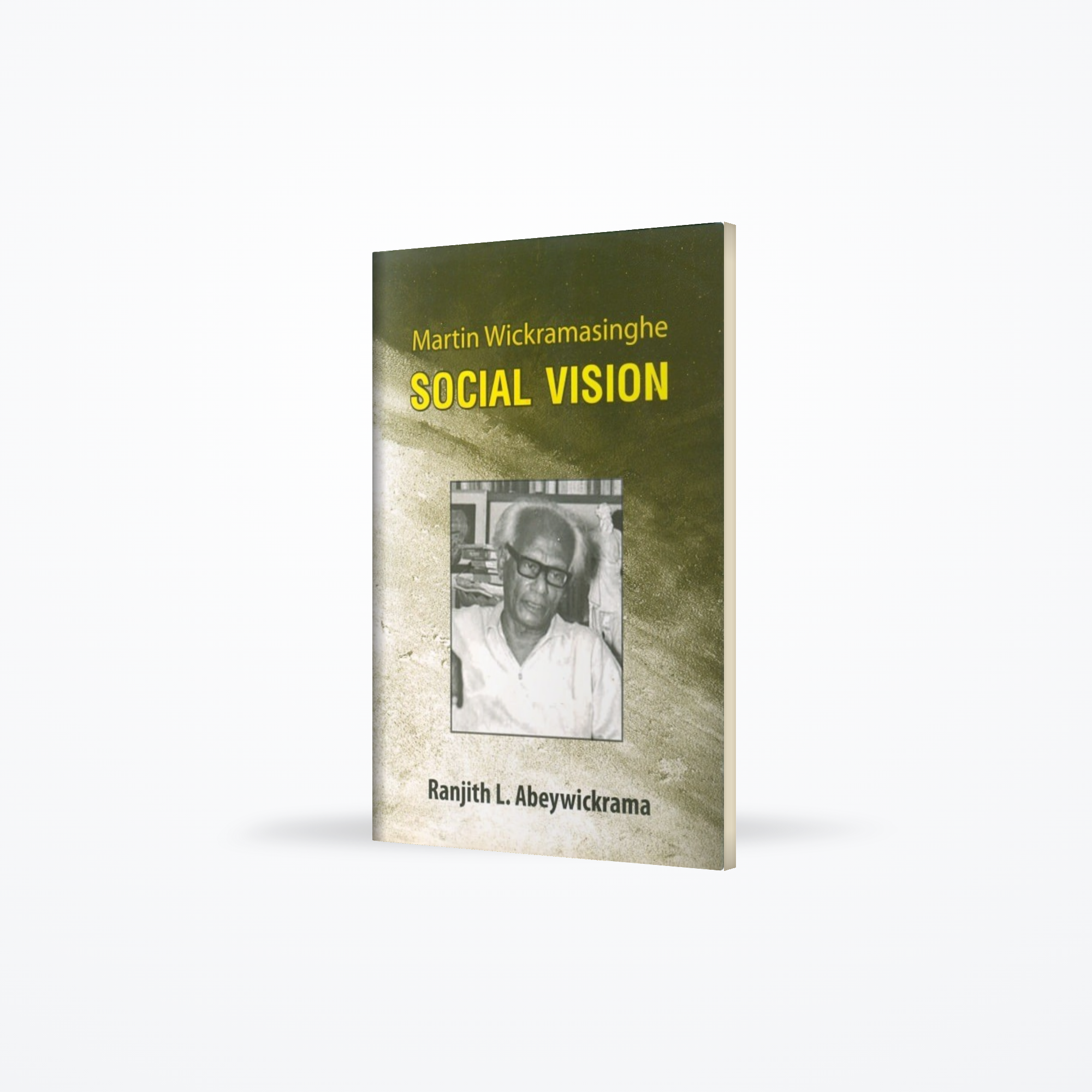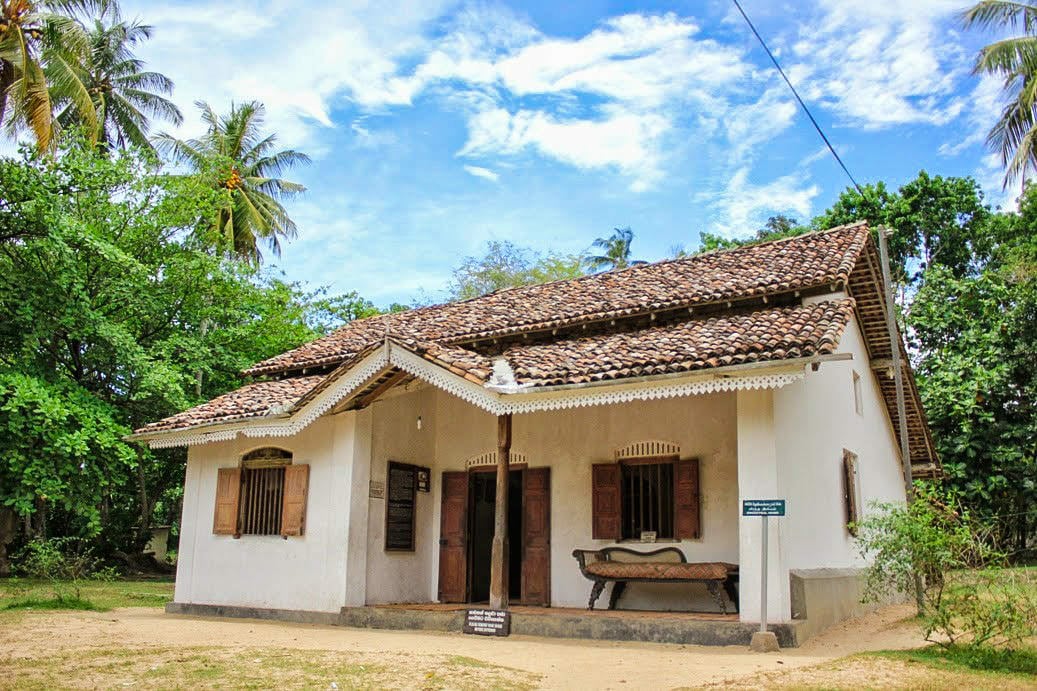
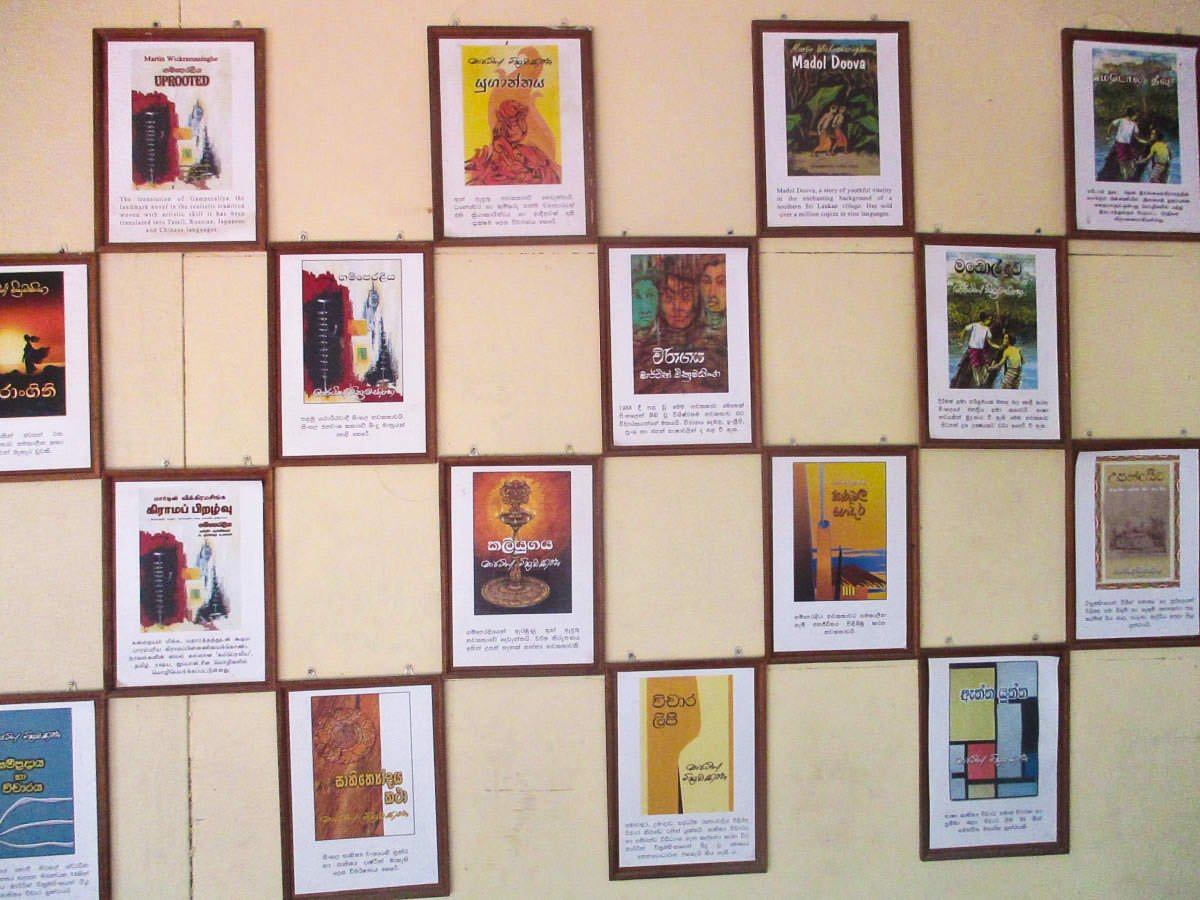
On the southern coast of Sri Lanka, a short drive from Galle, the Martin Wickramasinghe Folk Museum Complex preserves both the legacy of the island's most influential literary figure and a wide-ranging collection of Sinhala folk culture. Set within the grounds where Martin Wickramasinghe was born and spent his formative years, the complex is one of the few places in the country where literature, ethnography, and living memory occupy the same space.
Who was Martin Wickramasinghe?
Lama Hewage Don Martin Wickramasinghe was born on 29 May 1890 in Malagama, a small village in the Koggala area near Galle. The landscape of his childhood — a coastline edged by reef, a meandering lagoon fed by the tributaries of the Koggala River, and mangrove forests dotted with small islands — left a permanent mark on his imagination. Those early years of wandering through swamps and exploring the wilderness with other village boys would later surface as vivid detail in his fiction.
His education began at the feet of the village monk, who recognised an unusual aptitude for language. By the age of five, Wickramasinghe could read and write Sinhala; the monk then taught him the Devanagari script, opening access to classical Buddhist manuscripts. He later attended Buono Vista school in Galle, where he acquired fluency in English and Latin before the age of ten — a remarkable achievement for a boy of his background and era.
The death of his father brought financial hardship that cut short this formal education. Wickramasinghe re-enrolled at a local vernacular school in Ahangama, but the change in environment discouraged him, and he eventually stopped attending altogether. The years that followed, spent roaming the coastal wilderness, proved formative in a different way: they gave him the raw material for a literary career that would span six decades.
In 1914, aged 24, Wickramasinghe published his debut novel Leela. He went on to write novels, prose essays, and literary criticism, and by the mid-twentieth century had become the defining voice of modern Sinhala literature. His work drew on folk tradition, Buddhist philosophy, and the ordinary lives of rural Sri Lankans — themes that the museum now honours in its collections.
What can visitors see at the museum complex?
The complex is divided into several distinct areas, each with a different focus.
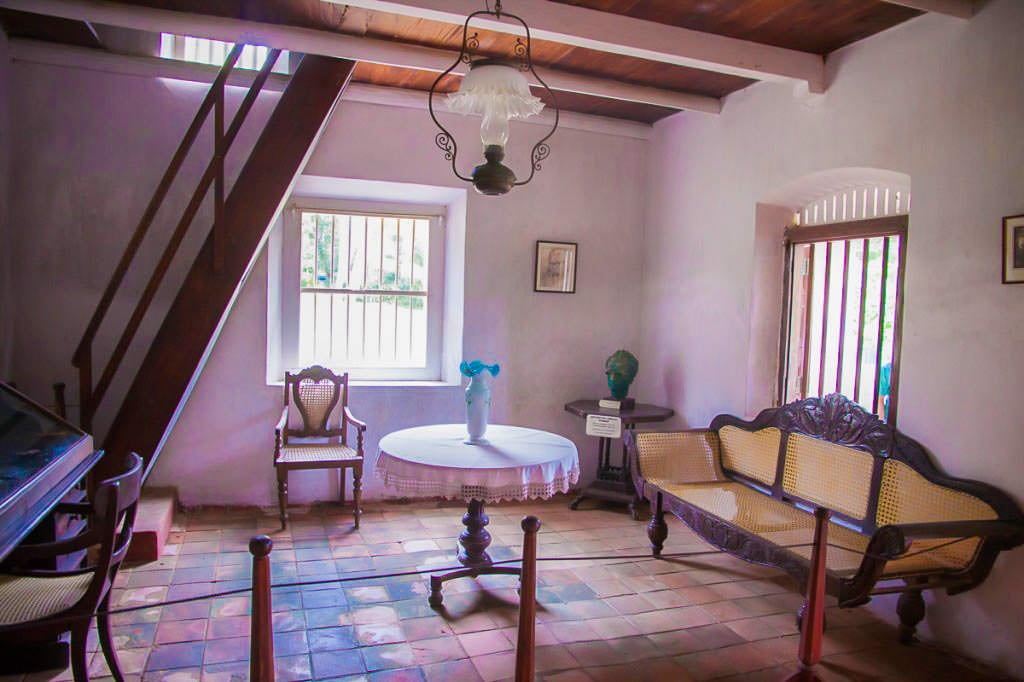
- The ancestral home: The original family house where Wickramasinghe was born has been restored and opened to visitors. Personal belongings, manuscripts, photographs, and first editions of his major works are displayed here, giving a concrete sense of his daily life and working methods.
- The folk museum: A dedicated building houses an extensive collection of traditional Sri Lankan implements, tools, games, and ritual objects gathered from across the island. The range is genuinely broad — fishing gear, agricultural tools, cooking vessels, masks used in folk drama, and items associated with traditional healing practices all feature.
- The open-air ethnography section: Outdoor exhibits include reconstructed examples of traditional rural architecture and craft, allowing visitors to see how everyday objects and structures fitted into the social life of pre-industrial Sri Lanka.
- The literary archive: A research-oriented section holds a significant collection of Wickramasinghe's writings and correspondence, along with critical works about his life and influence.
Taken together, the collections make a strong case for folk culture as a subject worthy of serious attention — which was, in essence, Wickramasinghe's own argument throughout his literary career.
Where is the museum and how do I get there?
The complex is located in Koggala, roughly 15 kilometres east of Galle along the Southern Expressway corridor. Koggala is also known for its lake, its wartime airstrip, and the Koggala Sea Turtle Conservation Project, making the area worth a half-day or full-day visit in its own right.
From Galle, the most convenient option is a private car or tuk-tuk; the journey typically takes around 20 minutes depending on traffic. Visitors arriving by train on the Colombo–Matara coastal line can alight at Koggala station, from which the museum is a short ride away. If you are basing yourself in Galle, a Galle city tour can easily be extended to include a stop at the complex.
When is the best time to visit the Martin Wickramasinghe Folk Museum?
The museum is open throughout the year. The southern coast experiences its dry season broadly between December and April, when conditions are most pleasant for travel in this region. That said, the museum itself is largely indoors, so a visit during the southwest monsoon months (May to September) is perfectly manageable if you are already in the area.
Weekday mornings tend to be quieter than weekends, and school-group visits can make the complex busy on weekday afternoons during term time. Arriving before noon generally ensures a more relaxed experience.
Why does this museum matter beyond literature?
Wickramasinghe was not simply a novelist. He was among the first Sri Lankan intellectuals to argue systematically that folk culture — the songs, tools, rituals, and stories of ordinary rural people — deserved the same scholarly respect as the classical Pali and Sanskrit traditions. The museum is, in a sense, the physical expression of that argument.
For travellers, the collections offer context that is hard to find elsewhere. Seeing the implements used in traditional paddy cultivation, the masks worn in southern folk theatre, and the fishing equipment used on lagoons like the one Wickramasinghe grew up beside gives a grounded picture of Sri Lankan rural life that complements the island's more famous heritage sites. The museum pairs naturally with a visit to Madu Ganga, whose mangrove ecosystem closely resembles the waterways that shaped Wickramasinghe's early life.
Practical visitor information
| Detail | Information |
|---|---|
| Location | Malagama, Koggala, Southern Province |
| Nearest city | Galle (approximately 15 km west) |
| Access | Private car, tuk-tuk, or taxi from Galle; Koggala railway station nearby |
| Recommended visit duration | 1.5 to 2.5 hours |
| Best paired with | Koggala Lake, Galle Fort, Madu Ganga boat tour |
Photography is generally permitted in the outdoor areas of the complex; check with staff regarding restrictions inside the archive and ancestral home. Signage is available in Sinhala and English.