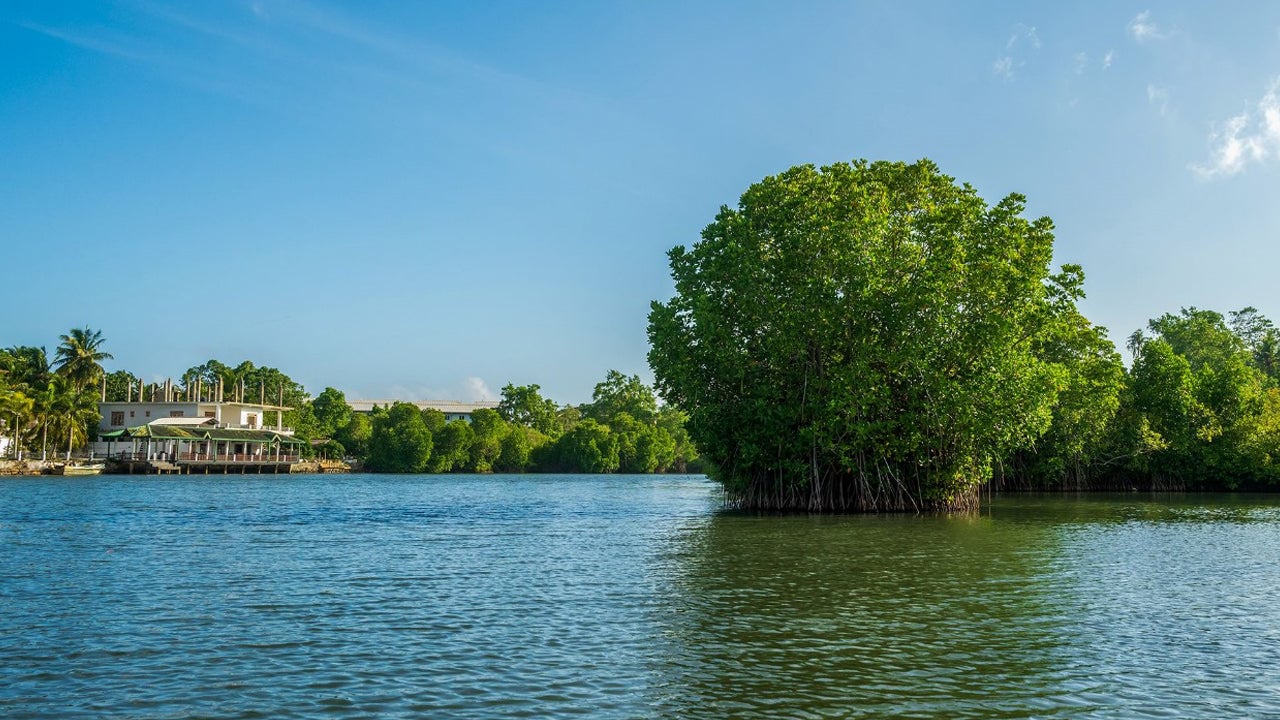
Koggala Hirugal Devalaya is one of the Southern Province's most enduring places of worship — a shrine that has anchored the spiritual life of the Koggala fishing community for generations. Located close to the shores of Koggala Lake, the devalaya draws both devout pilgrims and curious travellers who want to understand the religious fabric of coastal Sri Lanka beyond its beaches and colonial architecture.
What is the history of Koggala Hirugal Devalaya?
The origins of the shrine are rooted in local legend and oral tradition. The devalaya is dedicated to a guardian deity believed to have protected the surrounding land from natural calamities and ensured the wellbeing of fishing families who depend on the lake and the sea. Shrines of this type — known as devalayas rather than Buddhist temples — are dedicated to regional deities whose influence is understood to operate alongside, not in conflict with, the island's broader Buddhist practice.
Over the centuries the site grew from a modest place of offering into a fully established shrine with its own priesthood, ritual calendar, and community of lay supporters. Its longevity reflects the deep bond between the Koggala community and the traditions that shaped it.
What does the shrine look like?
The architecture of Koggala Hirugal Devalaya follows the vernacular style common to Southern Province devalayas: low-pitched rooflines, carved wooden elements, and a spatial layout that guides the worshipper from the outer courtyard toward the inner sanctum. Intricate carvings on the door frames and pillars depict scenes drawn from local legend, while oil-lamp holders line the pathways to the altar.
The setting adds considerably to the atmosphere. Mature trees and flowering shrubs surround the compound, filtering light and sound in a way that makes the site feel deliberately set apart from everyday activity. Colourful murals inside the shrine illustrate episodes connected to the presiding deity, providing visual narratives that are meaningful even to visitors unfamiliar with the underlying stories.
What rituals and ceremonies take place at the devalaya?
Regular poojas — formal prayer rituals involving offerings of flowers, coconut, and the lighting of oil lamps — are conducted throughout the week by the shrine's priests. Devotees visit to seek blessings for health, safe passage at sea, prosperity, and the welfare of their families. The ritual structure is precise: timing, sequence, and offerings each carry specific meaning within the tradition.
The most significant annual event is the Perahera, a ceremonial procession that brings together traditional drummers, costumed dancers, and in larger iterations, caparisoned elephants. The procession moves through the surrounding streets at night, illuminated by torchlight and accompanied by the rhythmic beat of drums. Attendance surges during these festival periods, and the atmosphere shifts from quiet devotion to communal celebration.
- Daily poojas: conducted at set times through the day; visitors may observe and participate with guidance from the priests
- Seasonal festivals: the dates follow the traditional Sinhala lunar calendar; the Perahera is the centrepiece
- Vow-fulfilment offerings: devotees who received a blessing after making a pledge return to complete their vow through specific rituals
How do I get to Koggala Hirugal Devalaya?
The shrine is situated in Koggala, a small town on the Southern Expressway corridor roughly 15 km east of Galle and around 20 km west of Matara. From Galle, the most direct route follows the coastal A2 highway through Unawatuna and Ahangama. The journey by road typically takes around 25 to 30 minutes depending on traffic.
Visitors based along the southern coast can also reach Koggala by train: the coastal railway line stops at Koggala station, which is within walking or tuk-tuk distance of the shrine. Those arriving from Colombo can use the Southern Expressway to reach Pinnaduwa interchange and then travel south on the A17 to join the coastal road.
| Departure point | Approximate distance | Typical travel time |
|---|---|---|
| Galle | ~15 km | 25–30 min by road |
| Matara | ~20 km | 30–35 min by road |
| Colombo | ~130 km | 2–2.5 hrs via expressway |
| Mirissa | ~10 km | 15–20 min by road |
When is the best time to visit Koggala Hirugal Devalaya?
The shrine is open year-round and can be visited on any day. For those interested primarily in architecture and daily ritual, a weekday morning visit offers a quieter, more contemplative experience. Devotee numbers rise on full-moon poya days, which fall once a month and have particular spiritual significance across Sri Lanka.
Festival seasons — particularly the period during which the annual Perahera is held — bring the largest gatherings and the most elaborate ceremonies. These are the most visually and culturally rewarding times to visit, though accommodation in the area fills up quickly, so advance booking is advisable.
What should visitors know before going?
Koggala Hirugal Devalaya is an active place of worship, not a heritage museum. Visitors are expected to observe the same etiquette they would apply at any religious site in Sri Lanka.
- Dress modestly: shoulders and knees should be covered; a sarong is sometimes available at the entrance
- Remove footwear before entering the shrine precincts
- Photography inside the inner sanctum is typically restricted; always ask permission before pointing a camera at rituals or priests
- Maintain a quiet, respectful manner during active poojas
- Small offerings such as flower garlands purchased from vendors outside the gate are appropriate; avoid bringing food from outside
The devalaya's location near Koggala Lake makes it easy to combine with a morning on the water. The lake is one of the largest in the Southern Province and supports a rich birdlife, including migratory species during the northern winter months.
Why does Koggala Hirugal Devalaya matter to the wider region?
Devalayas like this one are an underappreciated part of Sri Lanka's religious landscape. They represent a tradition of deity worship that coexists with — and in many communities is practised alongside — Theravada Buddhism, reflecting the layered spiritual life of coastal communities whose livelihoods depend on forces beyond their control. For travellers who want to move beyond the island's well-documented Buddhist circuit, a visit here offers genuine insight into the living religious culture of the south.
Preservation efforts by the local committee focus on maintaining the physical fabric of the shrine and ensuring that the ritual calendar continues uninterrupted. The craftspeople who carry out restoration work use traditional methods and materials, making the devalaya a site of living craft heritage as well as active worship.
Nearby places
9 places within about 25 km, nearest first.
- Koggala Beachunder 1 km
- Koggala Cityunder 1 km
- Madol Doovaunder 1 km
- Koggala Lagoon Islandunder 1 km
- Koggala Lagoonunder 1 km
- Martin Wickramasinghe Folk Museum Complex1 km
- Koggala Sea Turtle Conservation Project1 km
- Koggala Airport (KCT)1 km
- Koggala Railway Station2 km
Related reading
1 pages on closely related subjects.