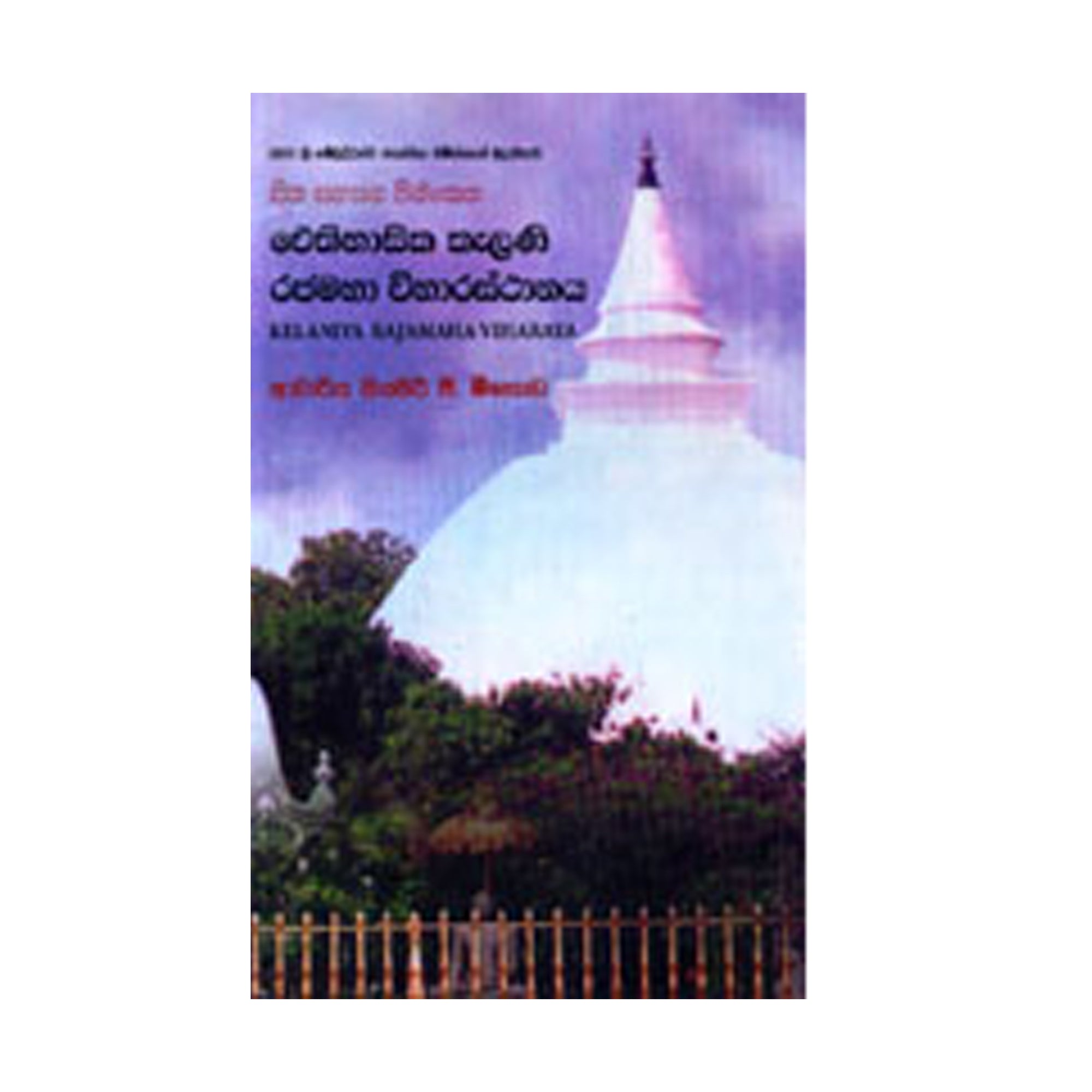
About 5 km east of Koggala along the southern coastal road, Kataluwa Purvarama Maha Viharaya stands as one of the most layered Buddhist temples in Sri Lanka's south. Founded in the 13th century and substantially expanded in the late 19th century, the temple draws visitors not just for its spiritual significance but for a body of mural painting that offers a genuinely unusual window into both Buddhist tradition and colonial-era Sri Lanka.
What makes Kataluwa Purvarama Maha Viharaya historically significant?
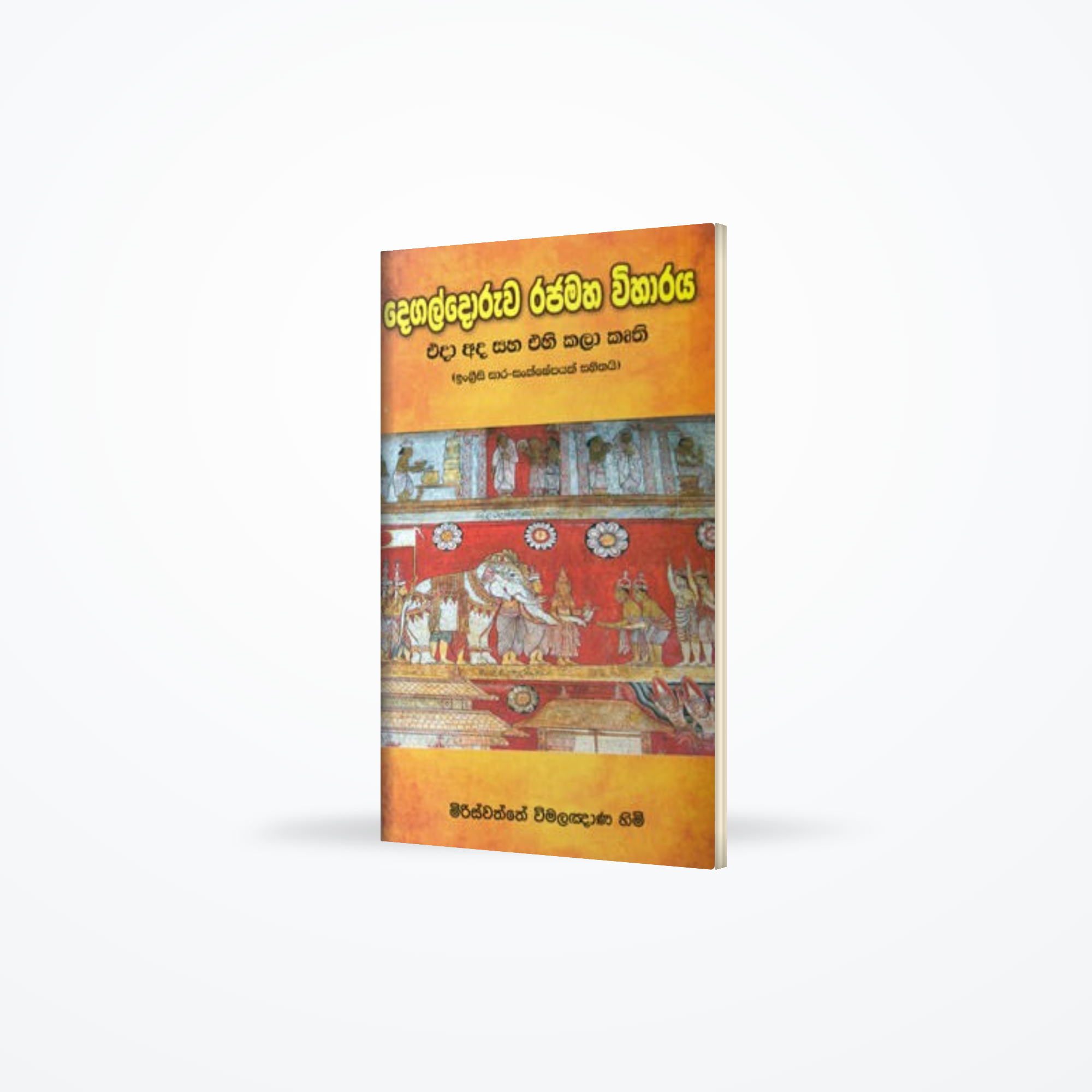
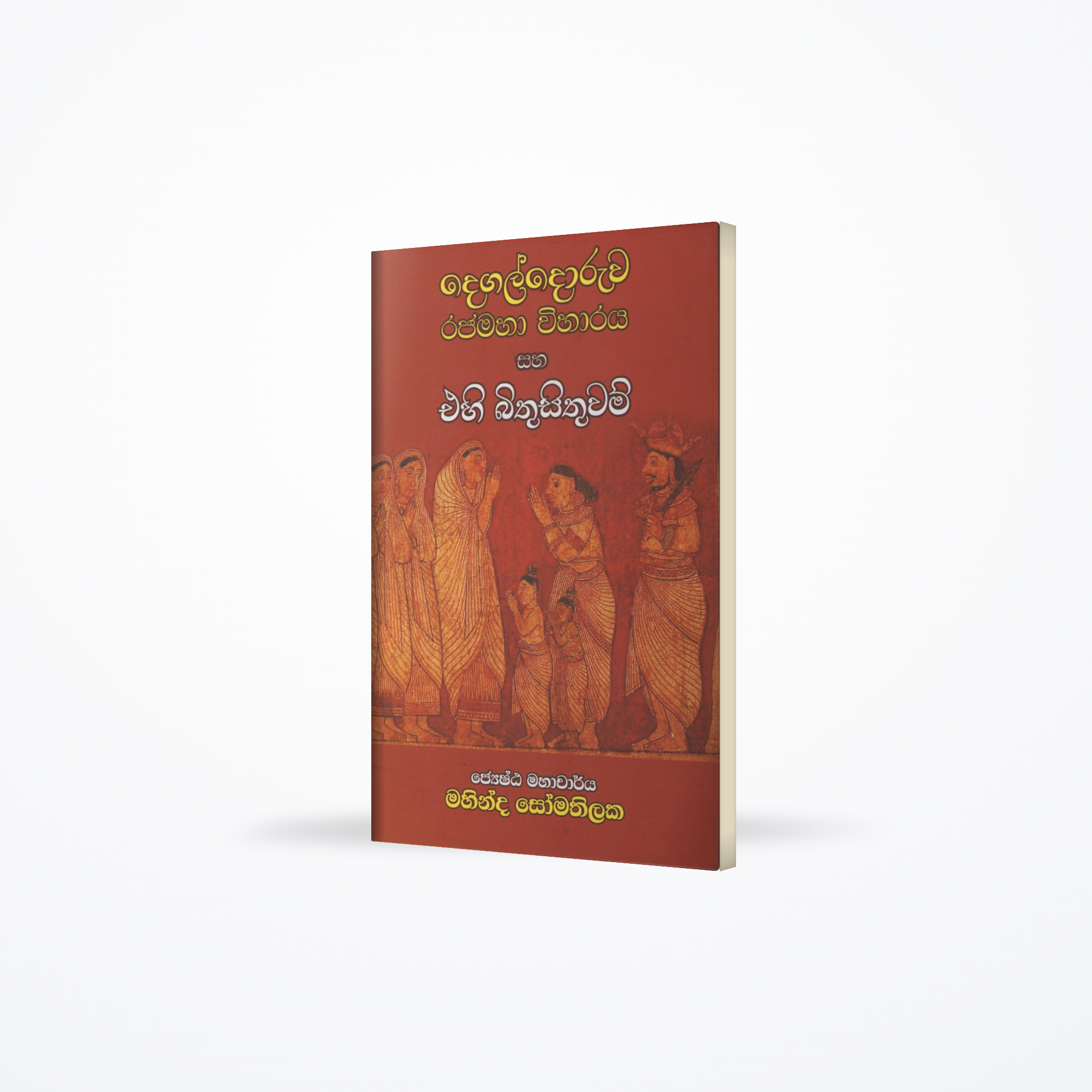
The temple's origins trace to around the 13th century, placing it among the older surviving religious structures on the southern coast. Its most celebrated feature, however, dates from the late 19th century: an extensive cycle of Kandyan-style paintings covering the interior walls of the main shrine room. Kandyan painting is characterised by bold outlines, flat colour fields, and narrative compositions arranged in registers — a style developed in the Kandyan Kingdom and later carried south by itinerant artists.
Several of the Jataka tale panels — scenes drawn from the 550 stories of the Buddha's previous lives — are believed to be around 200 years old, making them among the older surviving examples of this genre in the southern province. The Jataka stories depicted here illustrate moral themes through episodes involving the Buddha's past incarnations as human, animal, and divine beings, and they remain an important teaching tool in Theravada Buddhist communities.
What are the colonial-era paintings inside the temple?
Among the more unexpected elements of Kataluwa Purvarama are cameo-style portrait paintings of Queen Victoria and the Queen Mother, rendered in a manner consistent with the surrounding Buddhist iconography. These portraits were added in a spirit of gratitude: during the British colonial period, Queen Victoria played a notable role in guaranteeing the right of Sri Lankan Buddhists to practise their religion freely, a right that had been curtailed or complicated under earlier colonial administrations. The inclusion of these royal portraits within a Buddhist shrine room reflects the pragmatic diplomacy of 19th-century temple patrons and gives the space an almost documentary quality.
This confluence of Theravada Buddhist narrative art and Victorian-era colonial imagery makes Kataluwa Purvarama a genuinely singular site — one that rewards careful observation rather than a quick walk-through.
What can visitors see at the temple today?
The main shrine room houses the principal Buddha image as well as the celebrated mural cycle. Visitors typically move clockwise around the interior, following the narrative sequence of the Jataka panels. The paintings retain considerable colour, though some sections show the effects of age and humidity.
- Kandyan-style Jataka murals covering the shrine room walls
- Portrait cameos of Queen Victoria and the Queen Mother
- A principal Buddha image in the traditional seated posture
- Temple grounds with a small stupa and associated monastic buildings
- A resident monastic community that maintains the site
The temple is an active place of worship, so visitors are expected to dress modestly (shoulders and knees covered), remove footwear before entering the shrine room, and behave quietly. Photography inside shrine rooms may require the monk's permission — it is courteous to ask before raising a camera.
How does Kataluwa compare to other painted temples in Sri Lanka?
Sri Lanka has a rich tradition of mural-painted temples, from the ancient cave complexes of Dambulla to the celebrated Kiri Vehera and the Kandyan-era shrines around the cultural heartland. Kataluwa sits within this tradition but occupies a specific niche: it is a southern coastal temple with Kandyan artistic influence, produced at a moment when the island was under British rule. That intersection of geography, artistic tradition, and political circumstance gives its paintings a social-historical depth that purely devotional art sometimes lacks.
For travellers already exploring the southern coast, a visit here pairs naturally with the nearby Koggala Sea Turtle Conservation Project and a tour of the Galle Fort area, which can be arranged on the same day without significant extra driving.
When is the best time to visit Kataluwa Purvarama Maha Viharaya?
The temple is accessible year-round and does not have fixed tourist seasons in the way that national parks do. The southern coast's main dry season runs roughly from November through April, when road conditions and general travel comfort are at their best. Morning visits are generally quieter and cooler; the light inside the shrine room is also softer in the earlier hours, which matters for appreciating the murals.
Poya days — full-moon days observed as Buddhist public holidays throughout Sri Lanka — bring larger numbers of local devotees to the temple. Visiting on a Poya day offers an authentic glimpse of active religious practice, though the shrine room may be more crowded and quieter observation of the murals can be harder.
How do I get to Kataluwa Purvarama Maha Viharaya from Galle or Colombo?
The temple sits close to the coastal road (A2 highway) between Galle and Matara, roughly 5 km east of Koggala. From Galle, the drive takes around 20–25 minutes under typical traffic conditions. From Colombo, the journey is approximately 2.5 to 3 hours by road, depending on conditions along the Southern Expressway and the final coastal stretch.
There is no dedicated public transport stop at the temple entrance, so a private vehicle or tuk-tuk from Galle or a nearby town is the most practical approach. Many travellers combine this stop with a Galle City Tour and other sites along the Koggala–Ahangama corridor on the same day.
Is Kataluwa Purvarama suitable for all types of travellers?
The site is compact and mostly flat, making it accessible for travellers with limited mobility. Children tend to find the narrative mural scenes engaging once the Jataka stories are explained. The visit itself typically takes 30–45 minutes for a thorough walk-through, making it easy to slot into a broader southern itinerary without disrupting pace. There is no entry fee as such, though a donation to the temple is customary and appreciated by the resident monks.
Nearby places
8 places within about 25 km, nearest first.