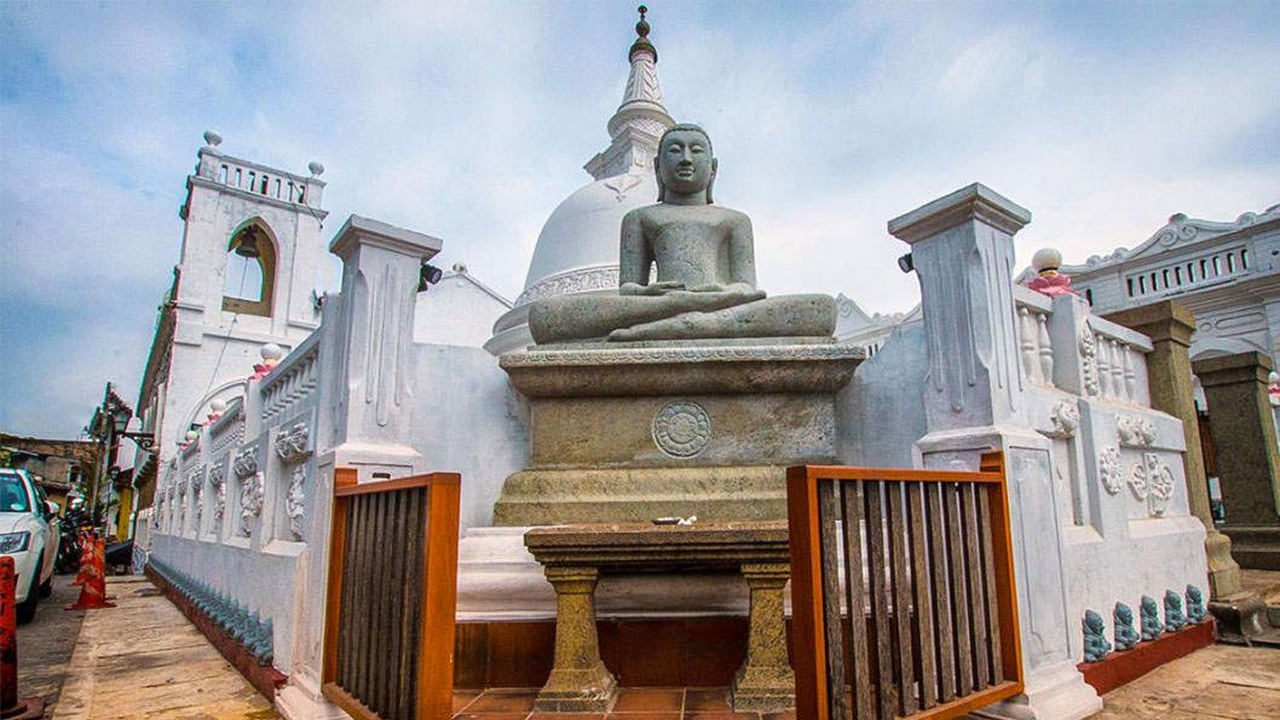


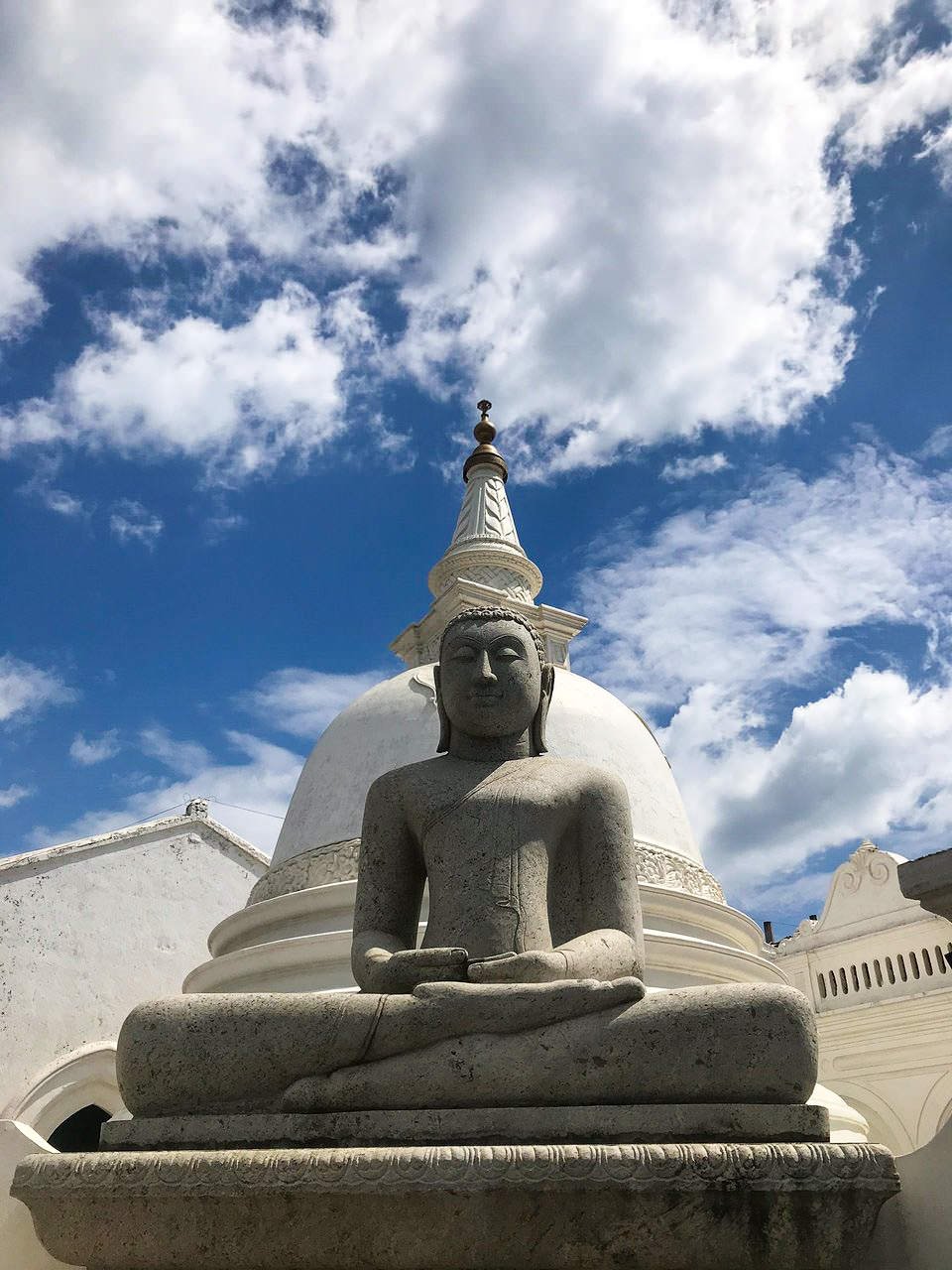

Tucked quietly within the bustle of Colombo Fort, the Shri Sudarmalaya Buddhist Temple is one of those places that reveals itself slowly. From the street, the building's exterior is modest — easy to walk past if you are not looking for it. Step inside, however, and the atmosphere shifts entirely. The air cools, the city noise fades, and the walls open into a world of carefully painted murals and golden statuary that few first-time visitors expect to find here.
What makes Shri Sudarmalaya Temple unusual for its location?
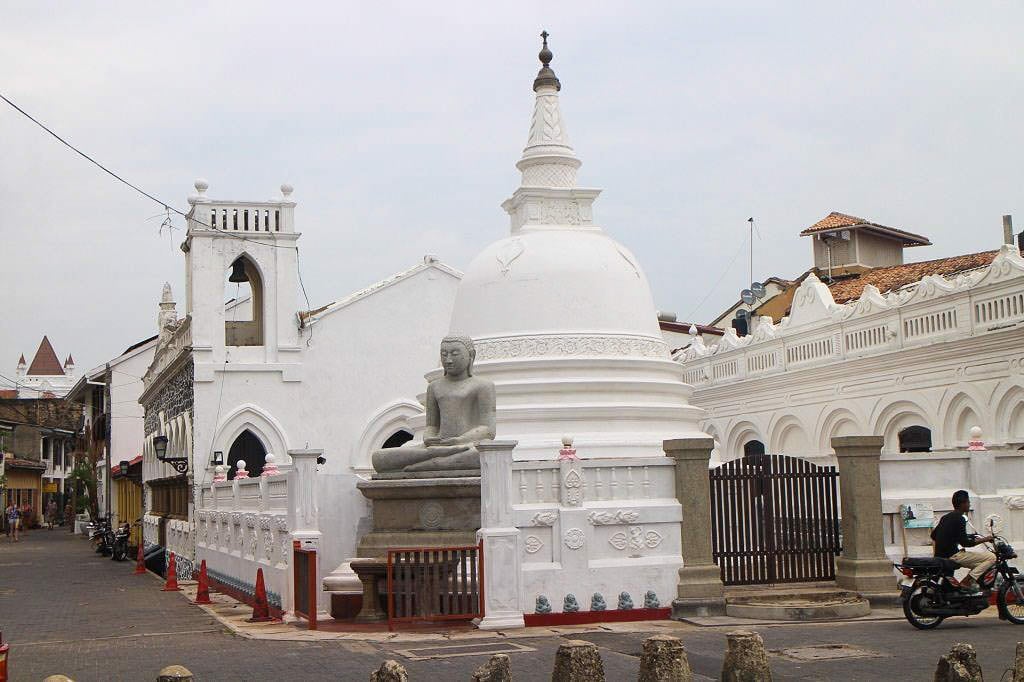
Buddhist temples in Sri Lanka are most commonly found near water tanks, forest monasteries, or ancient pilgrimage routes — not in the middle of a commercial district. Shri Sudarmalaya is a rare urban sanctuary, and its setting within Colombo Fort gives it a character unlike temple complexes in Kandy or Anuradhapura. The architecture draws occasional comparisons to a small mosque or a colonial-era church, a reflection of the layered religious heritage that defines Colombo's oldest quarter.
That architectural ambiguity is part of what draws visitors of different faiths. The temple does not demand prior knowledge of Buddhist practice to appreciate it; it functions equally well as a quiet pause after a morning of sightseeing, a place to observe daily devotional life, or a genuine introduction to Sri Lankan Buddhist iconography.
What can you see inside the temple?
The interior is the main event. Brightly coloured murals cover the walls and ceilings, depicting scenes from the life of the Buddha and the Jataka tales — the collected stories of the Buddha's previous lives that form a significant part of Theravada Buddhist artistic tradition across South and Southeast Asia. The paintings are executed in the vivid palette characteristic of Kandyan-era temple art, with rich reds, blues, and golds dominating.
A reclining Buddha figure is among the most photographed features of the shrine. This posture — known as parinirvana — represents the Buddha's final passing into nirvana and appears across Buddhist temples throughout Sri Lanka, though each rendering carries its own sculptural character. The temple also houses a small stupa, the hemispherical reliquary monument that is among the most ancient and recognisable forms in Buddhist sacred architecture.
- Vivid ceiling and wall murals depicting the Jataka tales
- A reclining Buddha in the parinirvana posture
- An interior stupa
- Active daily worship — incense, oil lamps, and flower offerings are common
When is the best time to visit Shri Sudarmalaya Temple?
The temple is generally accessible during daylight hours, though observance days — known as Poya days, which follow the lunar calendar — bring more devotees and a heightened atmosphere. Visiting on a Poya day offers a richer sense of living practice but also means more activity around the shrine. If you prefer quiet contemplation and unobstructed photography, a weekday morning outside of Poya is ideal.
The surrounding Colombo Fort area is best explored in the cooler hours of the morning, before midday heat and traffic peak. Pairing a visit to the temple with a Colombo city tour is a natural fit — the Fort district contains Dutch-period buildings, the old lighthouse, and several other heritage sites within comfortable walking distance.
How do I get to Fort Shri Sudarmalaya Temple?
The temple is located within the Colombo Fort precinct, Sri Lanka's central business and administrative district. It is accessible by road from most parts of the city; Colombo Fort railway station is nearby, making it reachable by train from across the island. Tuk-tuks are the easiest option for short hops from hotels in Fort or the Pettah area. If you are arriving from outside Colombo, a private transfer with a knowledgeable driver-guide allows you to combine the visit with other sites in the capital.
Is photography permitted inside the temple?
Photography of the murals and statuary is generally tolerated at Sri Lankan Buddhist temples, though it is courteous to ask the resident monk or caretaker before photographing the main shrine room. Standard temple etiquette applies: remove footwear before entering, dress modestly (shoulders and knees covered), and keep your voice low. Flash photography near paintings should be avoided as a matter of preservation.
How does Shri Sudarmalaya compare to other Colombo temples?
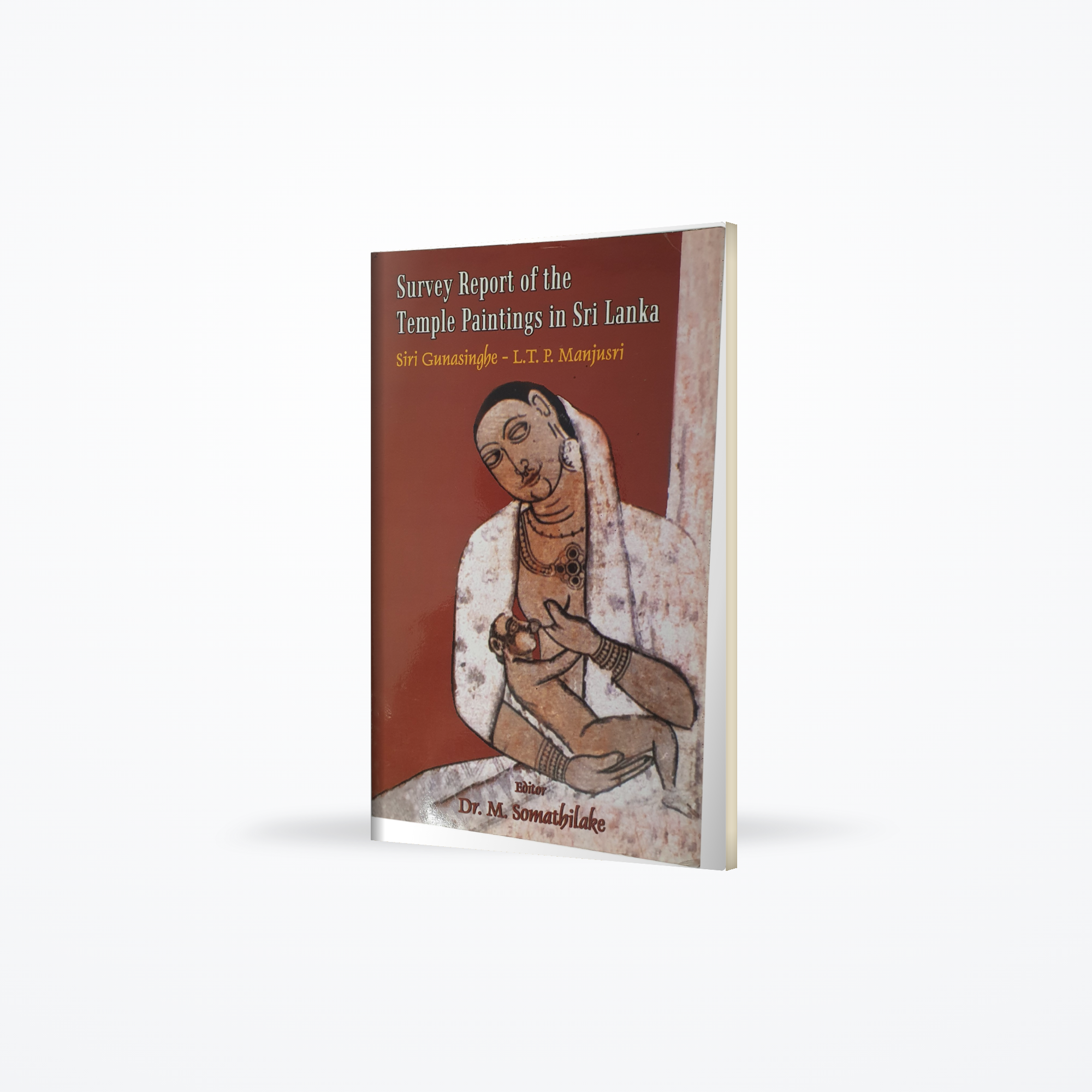
Colombo has a number of active Buddhist temples, including the well-known Gangaramaya and Kelaniya Raja Maha Viharaya (the latter a short drive from the city centre). Shri Sudarmalaya is smaller and sees fewer tourists, which gives it a quieter, more intimate quality. The murals here are the primary draw for visitors interested in temple art; for a broader survey of Sri Lankan sacred painting traditions, the Iranawila Rajamaha Viharaya offers another point of comparison outside the capital.
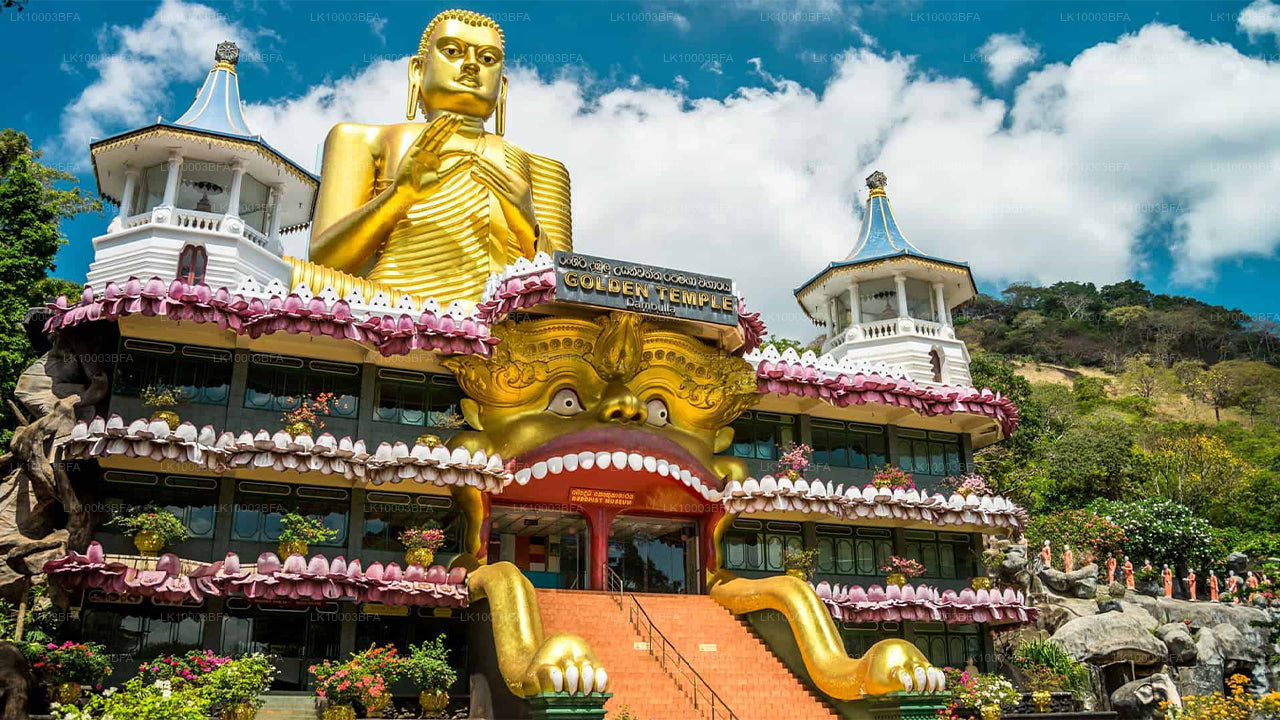
For travellers with a deeper interest in Buddhist pilgrimage across the island, Sri Lanka's sacred geography extends well beyond Colombo — from the ancient capitals of the north-central plains to the cave temples of Dambulla and the cliff-face shrines of the south.
Practical information at a glance
| Detail | Notes |
|---|---|
| Location | Colombo Fort, Western Province |
| Entry fee | Typically free; donations welcomed |
| Dress code | Modest clothing required; shoulders and knees covered |
| Footwear | Remove before entering the shrine room |
| Best visiting time | Weekday mornings; or Poya days for devotional atmosphere |
| Nearest transport | Colombo Fort railway station; tuk-tuk from city hotels |
Nearby places
16 places within about 25 km, nearest first.
- 7 Degrees Restaurants & Bar, Colombounder 1 km
- British Colonial Architectureunder 1 km
- Cargills Buildingunder 1 km
- Colombo Fort Hotelsunder 1 km
- Old Colombo Lighthouse and Clock Towerunder 1 km
- President's House, Colombounder 1 km
- Prison of the Last King Sri Wickrama Rajashinghe of Sri Lankaunder 1 km
- South Expansion of the Colombo Harbourunder 1 km
- The Central Pointunder 1 km
- World Trade Center, Colombounder 1 km
- St Andrew's Scots Kirkunder 1 km
- Ministry Of Crabunder 1 km
- Old Colombo Dutch Hospitalunder 1 km
- Port City Colombounder 1 km
- St Peters Churchunder 1 km
- Colombo Lighthouseunder 1 km
Related reading
7 pages on closely related subjects.