Colombo Fort is the commercial and historic nucleus of Sri Lanka's capital. Once a Portuguese and then Dutch fortification, today it is a dense grid of colonial-era buildings, modern towers, railway terminus, and sea-facing promenades. Staying inside or immediately around the Fort district puts travellers within easy reach of Colombo's key ministries, the main railway station, the Colombo Lotus Tower, and the seafront Galle Face Green — all without the traffic delays that can make cross-city transfers frustrating.
What is Colombo Fort, and why stay there?
The Fort is Colombo's original walled settlement, established by the Portuguese in the sixteenth century and later expanded by the Dutch. While the walls themselves are long gone, the district retains a character quite different from the suburban neighbourhoods further inland. Grand Edwardian and Dutch colonial façades stand beside glass office towers, and the harbour remains visible from several upper-floor hotel rooms. For business travellers the location is unmatched; for leisure travellers it serves as a practical base from which to join a Colombo city tour before continuing upcountry or to the coast.
The area around Fort is compact and walkable during daylight hours, though the surrounding Pettah market district can be hectic. Most hotels within or adjacent to Fort offer in-house dining, which is useful when arriving late at night after a long-haul flight connection from the airport.
What types of hotels are available in Colombo Fort?
Accommodation in and around the Fort covers a broad range of categories.
- Luxury city hotels: Several internationally affiliated properties operate within a short drive of Fort, offering rooftop pools, multiple restaurants, and full business centres. Rooms in these hotels typically command harbour or skyline views from higher floors.
- Boutique guesthouses: A growing number of restored colonial buildings have been converted into boutique stays. Properties such as CityRest Fort and C1 Colombo Fort offer fewer rooms but a more characterful experience, with exposed brickwork and period detailing alongside modern amenities.
- Serviced apartments: For longer stays or families, serviced apartments near Fort provide kitchen facilities and more living space at competitive rates.
- Business hotels: Mid-range business hotels clustered around the Fort Railway Station cater primarily to domestic and regional business travellers; they are functional, well-priced, and often include free Wi-Fi and meeting rooms.
How do I get from Colombo Airport to a hotel in Colombo Fort?
Bandaranaike International Airport (CMB) is located in Katunayake, roughly 30 km north of Colombo Fort. The journey by road typically takes between 45 minutes and one and a half hours depending on traffic, with peak-hour congestion on the E03 expressway approach to the city adding time. An airport-to-Fort private transfer, arranged in advance, removes the uncertainty of finding a taxi on arrival and ensures a fixed, agreed fare.
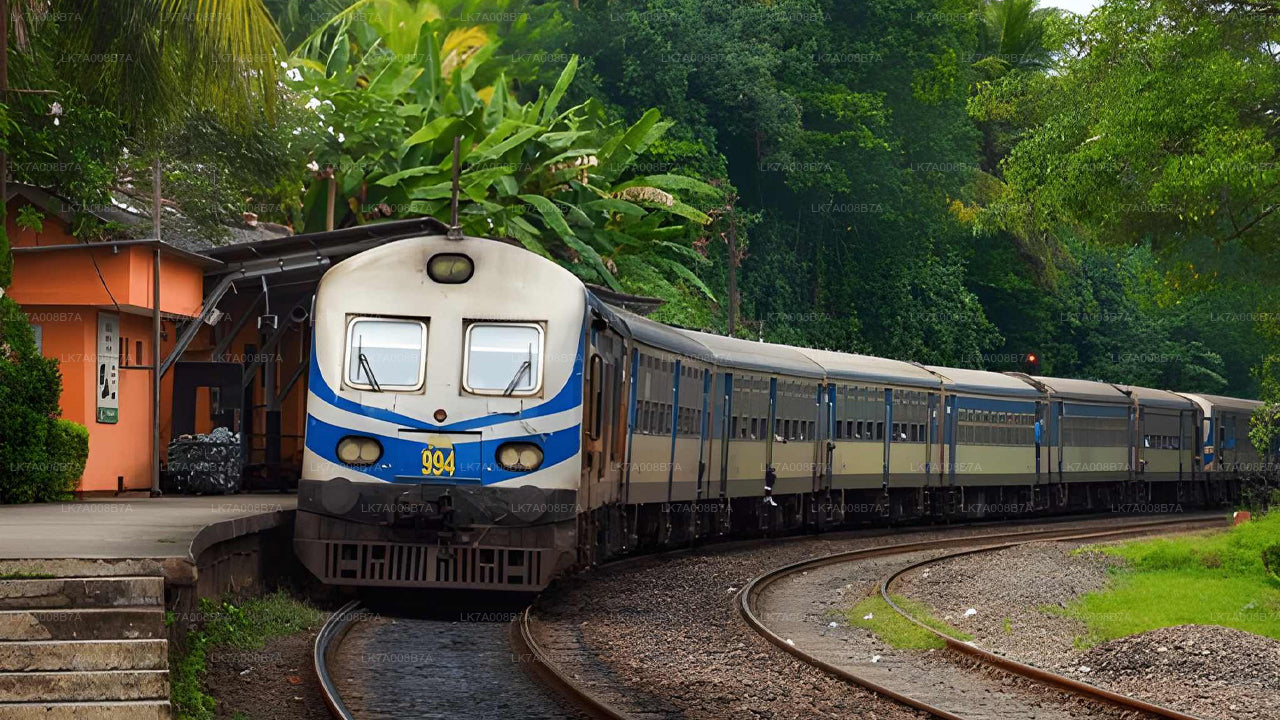
The Colombo Fort Railway Station also connects to the airport via the Kelani Valley and Northern lines, though the airport rail link's reliability can vary; a private transfer remains the most convenient option for visitors carrying luggage.
What can I do within walking distance of Colombo Fort hotels?
The Fort district and its immediate surroundings offer a concentrated set of experiences that reward an hour or two of unstructured walking.
- Galle Face Green: The ocean-facing promenade is a 10-minute walk south of the Fort core. In the late afternoon, local vendors sell isso wade (prawn fritters) and other street food while kite-flyers congregate near the water.
- Pettah Bazaar: Immediately east of Fort Station, Pettah is Colombo's oldest open-air market. Individual streets specialise in electronics, fabric, spices, and household goods — chaotic but genuinely atmospheric.
- Colombo Lotus Tower: The tallest self-supporting structure in South Asia is visible across much of the city and worth a visit for its observation deck.
- Old Parliament Building: The distinctive white colonnade of the former parliament now houses the Presidential Secretariat and is a frequently photographed colonial landmark.
- Dutch Hospital Precinct: One of the oldest buildings in Colombo, this restored Dutch colonial structure now contains upscale restaurants and boutique shops — a pleasant spot for lunch or a sundowner.
When is the best time to visit Colombo?
Colombo has a tropical climate with two monsoon seasons. The south-west monsoon (roughly May to September) brings heavier rain to the western coast, while the north-east monsoon (December to February) affects the island's north and east. Because Colombo sits on the western seaboard, December through April tends to be drier and more comfortable for city sightseeing. That said, Colombo is a functional city rather than a purely seasonal destination; rain showers, when they arrive, are typically short-lived. The city's hotel rates vary with school holiday patterns and major conferences more than with rainfall.
What should I consider when choosing a hotel in Colombo Fort?
A few practical factors help narrow the choice:
- Purpose of stay: A one-night transit before a flight suits a well-located mid-range hotel near Fort Station. A longer leisure stay benefits from a property with a pool and a good restaurant.
- Traffic patterns: Colombo's road congestion is significant during morning and evening rush hours. If you have early morning meetings or transfers, proximity to your key destination matters.
- Noise levels: The Fort area is busy; street noise can penetrate older buildings. Properties with double-glazed windows or set back from main roads offer quieter rooms.
- Onward connections: If you plan to travel south to Galle or north to Kandy the following day, confirm whether the hotel can arrange a reliable driver or whether a Lakpura transfer can be pre-booked to match your checkout time.
Is Colombo Fort a safe area for tourists?
The Fort district is generally considered safe for tourists during daylight hours and into the early evening. As with any urban centre, standard precautions apply: keep valuables out of sight in crowded areas such as Pettah, and use established taxis or pre-booked transfers rather than unmarked vehicles. Most hotels in the district have 24-hour security, and the area benefits from a visible police presence given its proximity to government buildings.
How does Colombo Fort fit into a wider Sri Lanka itinerary?
Most international visitors land at Colombo and spend at least one night in or near the city before heading to the Cultural Triangle, the hill country, or the southern beaches. Positioning that first night in the Fort district makes logistical sense: it is close to the airport expressway, the main railway station serves destinations such as Kandy, Ella, and Galle, and the city's better restaurants and cafes are accessible without a long transfer. Some travellers return to Colombo at the end of their circuit — spending a final night near Fort before an early-morning departure — making a second hotel night in the area worth planning from the outset.
For those curious about Sri Lanka's heritage sites, a stay in Colombo can be paired with day trips northward toward the ancient cities or southward along the coast. The Galle city tour is a popular one-day excursion from Colombo, covering the UNESCO-listed Galle Fort along the southern coast.
Nearby places
16 places within about 25 km, nearest first.
- 7 Degrees Restaurants & Bar, Colombounder 1 km
- British Colonial Architectureunder 1 km
- Cargills Buildingunder 1 km
- Fort Shri Sudarmalaya Buddhist Templeunder 1 km
- Old Colombo Lighthouse and Clock Towerunder 1 km
- President's House, Colombounder 1 km
- Prison of the Last King Sri Wickrama Rajashinghe of Sri Lankaunder 1 km
- South Expansion of the Colombo Harbourunder 1 km
- The Central Pointunder 1 km
- World Trade Center, Colombounder 1 km
- St Andrew's Scots Kirkunder 1 km
- Ministry Of Crabunder 1 km
- Old Colombo Dutch Hospitalunder 1 km
- Port City Colombounder 1 km
- St Peters Churchunder 1 km
- Colombo Lighthouseunder 1 km
Related reading
1 pages on closely related subjects.