
When the British consolidated control over Ceylon in the early nineteenth century, they inherited a modest coastal trading port and set about reshaping it into one of Asia's most efficiently administered colonial capitals. The architectural evidence of that transformation survives across Colombo's Fort and Pettah districts today — in colonnaded facades, arched verandahs, and public buildings that were designed to project permanence and imperial authority while quietly conceding to the demands of a tropical climate.
What Defines British Colonial Architecture in Sri Lanka?
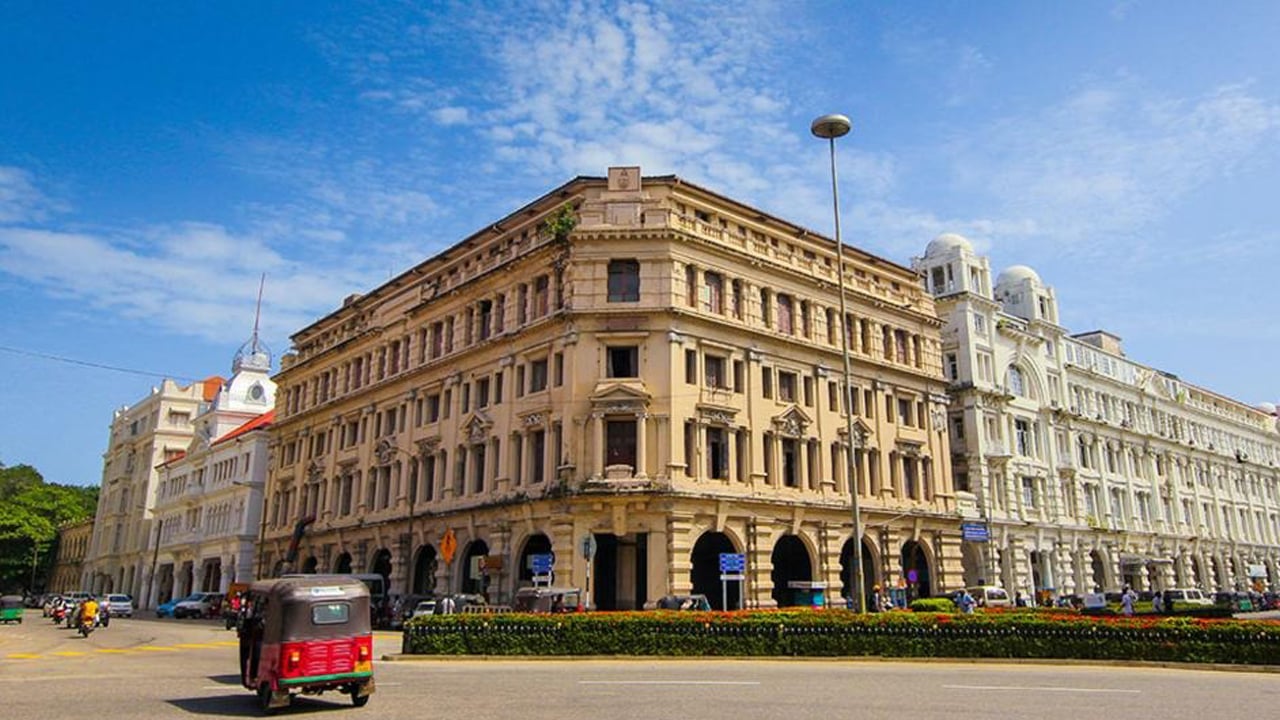
Colonial-era buildings in Colombo draw primarily from two European traditions: neoclassical architecture, with its emphasis on symmetry, columns, and formal geometry, and Victorian Gothic, which introduced pointed arches, decorative ironwork, and ornate cornices. Neither style arrived unmodified. Builders adapted both to the island's heat and monsoon rains by raising ceiling heights to allow hot air to rise, deepening verandahs to block direct sunlight, and specifying natural stone and brick over materials that might degrade in high humidity.
The result is a regional idiom sometimes called Indo-Saracenic or Tropical Colonial — buildings that read as distinctly British in their civic ambition but are clearly shaped by their equatorial setting. Louvred shutters, shaded colonnades, and raised plinths that lift ground floors above potential flooding are recurring practical features invisible in British architecture back home.
Which Buildings Are the Best Examples in Colombo?
A concentrated cluster of significant structures lies within a short walk of each other in Colombo Fort, making it possible to survey the canon in a single morning on foot.
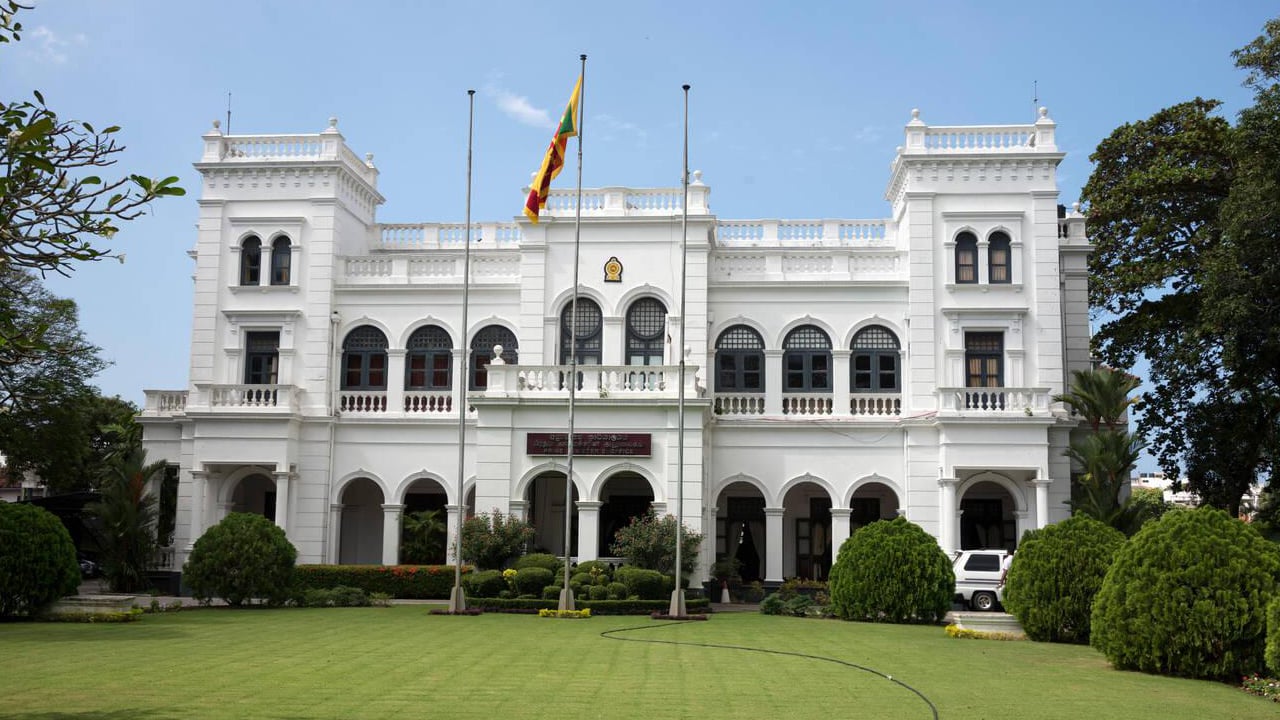
- Old Parliament Building (now Presidential Secretariat) — The most photographed colonial structure in Colombo, this white neoclassical building on Galle Face Green dates to 1930. Its grand Ionic colonnade and symmetrical wings were designed by British architect S.A. Lavers and remain in active government use.
- Colombo Fort Railway Station — Opened in 1908, the station blends Victorian ironwork with a wide, breezy concourse suited to crowds in a warm climate. It is still the country's principal rail terminus and a working monument to the British infrastructure legacy.
- General Post Office — A mid-Victorian civic building on Janadhipathi Mawatha, the GPO retains its original proportions and continues to operate as a functioning post office, making it one of the more authentic heritage experiences in the city.
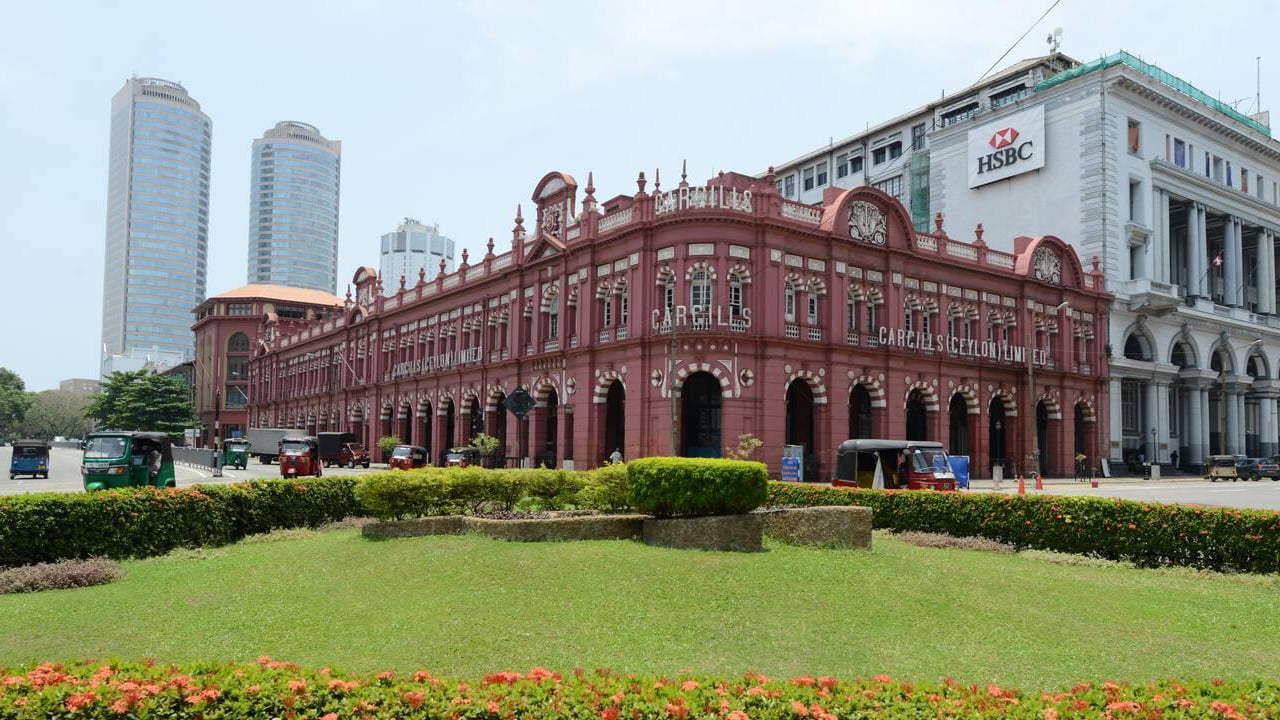
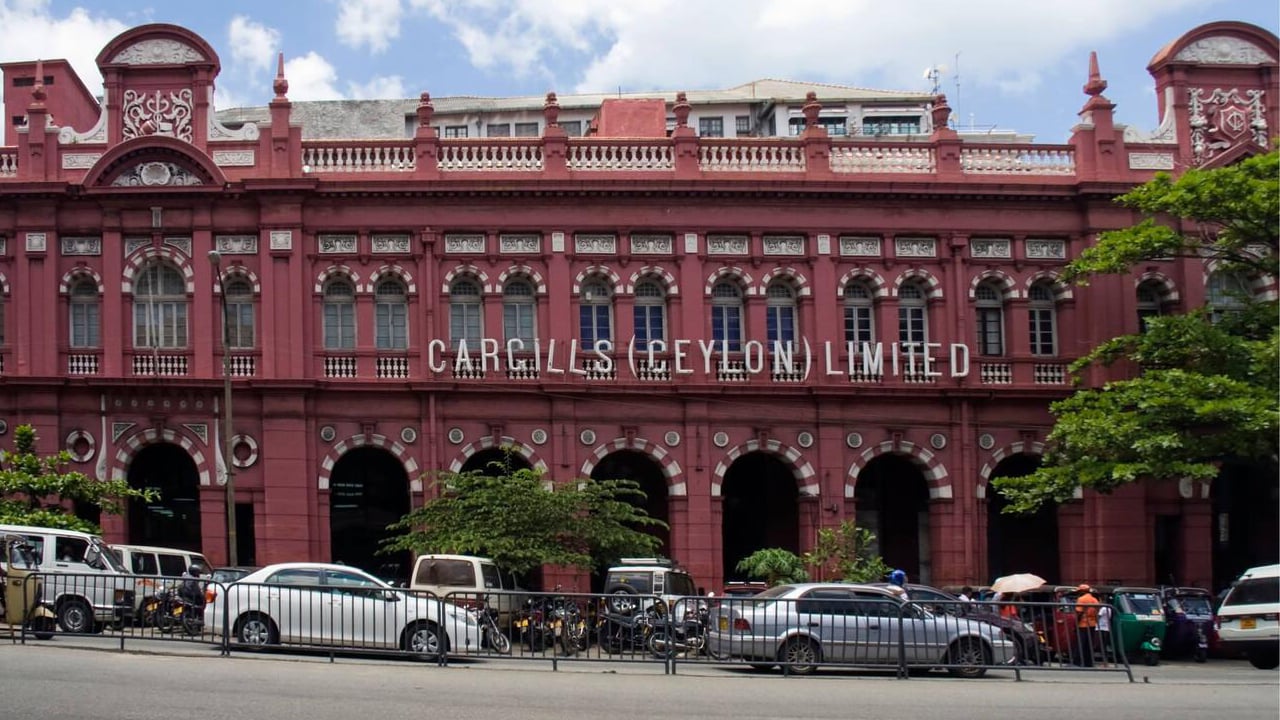
- Cargills and Millers Building — This red-and-white arcaded commercial building on York Street dates to 1906 and housed one of colonial Ceylon's principal department stores. Its ground-floor arcade sheltered shoppers from both rain and sun, a practical design feature widely copied in the neighbourhood.
- Gordon Gardens and the Town Hall — Completed in 1928 in the Viharamahadevi Park area, Colombo Town Hall is a later but striking example of the neoclassical tradition, with a prominent white dome modelled loosely on civic buildings in British India.
How Does British Architecture in Colombo Differ from the Dutch Colonial Legacy?
Sri Lanka carries the imprint of three European colonial powers — Portuguese, Dutch, and British — and the contrasts are sharpest when comparing Colombo with Galle. The Galle City Tour reveals the earlier Dutch influence: smaller-scale warehouses, a compact grid within a star fort, and a distinctly mercantile character. British architecture in Colombo operated at a different scale entirely — public buildings were designed to convey imperial governance rather than trade logistics, and the streetscapes reflect that difference in ambition and proportion.
In Colombo, the British also introduced the concept of planned open space around civic buildings. Galle Face Green, the long esplanade beside the ocean, was laid out under British administration partly as a military parade ground and partly as a leisure amenity — a concept without precedent in earlier colonial Colombo.
What Is the Best Way to Explore Colonial Colombo on Foot?
The Fort and Pettah districts are compact enough to explore without a vehicle, though the heat between late morning and mid-afternoon can be taxing. A self-guided walk typically begins at the Colombo Fort Railway Station, proceeds along Janadhipathi Mawatha past the GPO and the Presidential Secretariat, and then loops through the commercial streets of Pettah to the Cargills building on York Street. Allow two to three hours at a comfortable pace.
Guided city tours with a knowledgeable local guide add depth that a map cannot provide — colonial buildings often carry layers of history including wartime requisition, post-independence repurposing, and ongoing conservation debates. A structured Colombo City Tour can combine the colonial heritage walk with other city highlights and takes the logistics out of navigating an unfamiliar urban centre.
Are There Colonial Buildings Outside Colombo?
The British legacy in architecture extends well beyond the capital. Nuwara Eliya, developed as a hill station retreat for British planters and administrators, is perhaps the most concentrated example of transplanted Victorian domestic architecture anywhere in South Asia. The town's bungalows, the Hill Club, the Grand Hotel, and even the post office recall an English country town in extraordinary detail — made all the more striking by their setting at roughly 1,900 metres above sea level surrounded by tea estates.
Kandy, though predominantly associated with Kandyan and Buddhist architectural traditions, also contains significant colonial-era civic buildings from the period after the British annexed the Kandyan Kingdom in 1815. Railway stations throughout the hill country — many still in daily use — represent a quieter but historically important strand of British engineering and architectural heritage. The hill railway itself is a UNESCO World Heritage cultural property.
Galle Fort, a short ride from Colombo along the southern coast, blends Dutch and British colonial layers within a single walled precinct and is among the most intact colonial urban environments in Asia.
When Is the Best Time to Visit Colombo for an Architecture Walk?
The southwest monsoon brings heavy rain to Colombo from roughly May through September, making outdoor exploration uncomfortable for extended periods. The dry season from December through April is generally the most reliable window for a heritage walk, with lower humidity and longer stretches of clear weather. Early mornings — before 9 am — offer cooler temperatures and softer light for photography before the streets become congested.
How Has Colonial Architecture Been Preserved — and Adapted — Since Independence?
Sri Lanka gained independence in 1948 and, unlike some post-colonial nations, chose to retain rather than demolish most major British-era civic buildings. Many were simply repurposed: the Old Parliament became the Presidential Secretariat, colonial courthouses continue to hear cases, and former railway infrastructure remains the backbone of the national rail network. This pragmatic approach has preserved the physical fabric of colonial Colombo better than many comparable Asian capitals.
Preservation quality varies considerably, however. Some buildings have received sympathetic restoration; others have been altered with little regard for their original character. The Urban Development Authority of Sri Lanka periodically issues guidelines for heritage zones, though enforcement remains inconsistent. A handful of colonial structures in Pettah have been lost entirely to commercial redevelopment in recent decades, making what survives all the more worth visiting now.
Geoffrey Bawa, Sri Lanka's most celebrated twentieth-century architect, engaged directly with this colonial inheritance — neither rejecting it nor reproducing it, but weaving vernacular, Modernist, and colonial threads into a distinctly Sri Lankan design language that continues to influence the island's built environment.